




Retro revival: classic foods reinterpreted
Retro revival: classic foods reinterpreted is all about tried-and-tested dishes re-emerging in a contemporary style. Classic dishes from your childhood, family favourites, or ones you remember from holidays are making a comeback – but this time lighter and with a considered approach. Nostalgic flavours meet modern cooking techniques, plant-based alternatives, and a new understanding of enjoyment. Instead of heavy sauces and large portions, these days it’s all about quality and balance. International recipes are being reimagined without losing their character. At the same time, there is an increasing demand for emotional comfort: familiar flavours impart a feeling of safety, while modern interpretations offer some variety.
The key points
- Retro dishes invoke nostalgia and emotive enjoyment
- Classics are being reinterpreted in a lighter and contemporary form
- Modern techniques are improving textures and flavours
- Plant-based alternatives are becoming more important
- Fermentation provides depth of flavour
Retro revival: classic foods reinterpreted – list of contents
- Which retro food classics are celebrating a comeback on the international stage?
- How are classic foods being created in a modern, lighter form?
- How do combinations of flavours and fermentation improve classic dishes?
- Retro food reimagined: vegetarian and vegan
- How can classic foods be recreated in a modern form?
- This might also interest you
Which retro food classics are celebrating a comeback on the international stage?
Many countries are reinterpreting their culinary icons:
- USA: mac and cheese, meatloaf, or cheesecake – with better ingredients and a reduced recipe
- France: beef bourguignon or quiche – seasonal, light, and textured
- Italy: tiramisu or lasagne – new textures, clear layering
- Scandinavia: Smørrebrød – modern plating, local concept
- Germany: toast Hawaii or Königsberger Klopse (meatballs in white sauce with capers) – now also in vegan versions
- Japan: Katsu sandwich – from a classic to a global street food trend
The overarching concept: the underlying flavour is retained while the execution is modernised.
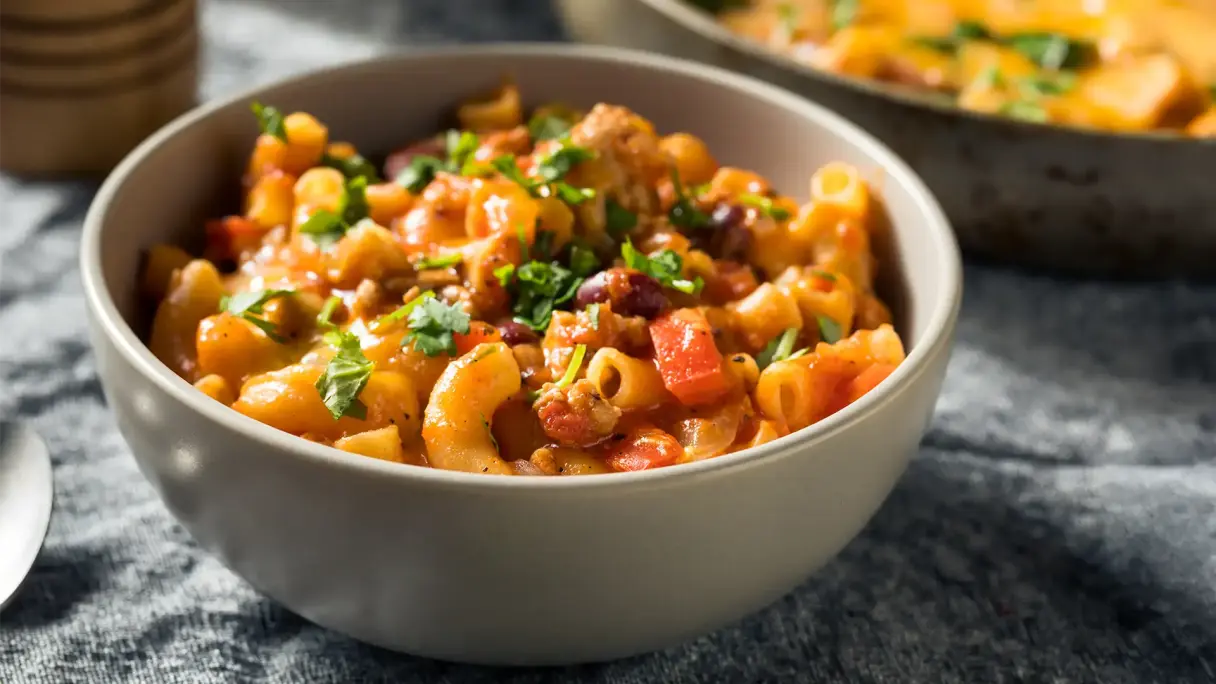
Mac and cheese – classic American comfort food combined with vegetables and fresh herbs.
How are classic foods being created in a modern, lighter form?
Modern interpretations of classic dishes are all about precision rather than radical change. High-quality, regional ingredients replace long ingredients lists. Cooking methods such as sous-vide (cooking at low-temperatures in vacuum packs) or gentle steaming allow consistent results and retain more nutrients.
Temperatures can be controlled precisely, meaning that meat, vegetables, or baked dishes remain moister. At the same time, the sugar, fat, and salt content is rebalanced. Recipes are reimagined to be simpler and more sustainable, such as by using a root-to-end cooking philosophy.
The plating also plays a central role: classics are deconstructed with the components presented separately and clearly structured. This results in dishes with familiar flavours but that are significantly lighter and more modern.
How do combinations of flavours and fermentation improve classic dishes?

Classic tiramisu freshly reinterpreted with lemons
Flavour combinations shape the contemporary reinterpretation of classic dishes, with the concept of flavour pairing showcasing complementary or intentionally contrasting flavours. Acids, roasted flavours, or fresh herbs enhance the underlying taste and bring balance to tried-and-tested recipes.
Contrasts such as sweet and salty or creamy an acidic create excitement. Studies show that dishes that stimulate multiple senses – flavour, texture, and temperature – significantly enhance our perception of the taste.
Fermentation also combines tradition with modernity. Originally used as a preserving method, today fermentation provides complex flavours such as umami or a mildly acidic taste – without any added ingredients.Miso, kimchi, or fermented legumes give classic dishes more depth without altering their character. Plant-based alternatives to cream and cheese also benefit from fermented bases.
Retro food reimagined: vegetarian and vegan
Plant-based alternatives are playing a central role in the retro revival. They offer impressive sustainability, fibre content, and secondary plant compounds; however, they can pose sensory challenges.
Proven strategies:
- Legumes for structure
- Mushrooms for natural umami notes
- Cashew, oats, or nut bases for creaminess
- Tofu,tempeh, seitan, or jackfruit as a source of protein
- Fermented products for depth of flavour
- Aquafaba as an alternative to egg white
The recipe for success is not merely replacing ingredients, but reimaging classic dishes – such as lasagne with a vegetable ragout rather than a plant-based minced meat alternative.
How can classic foods be plated in a modern style?
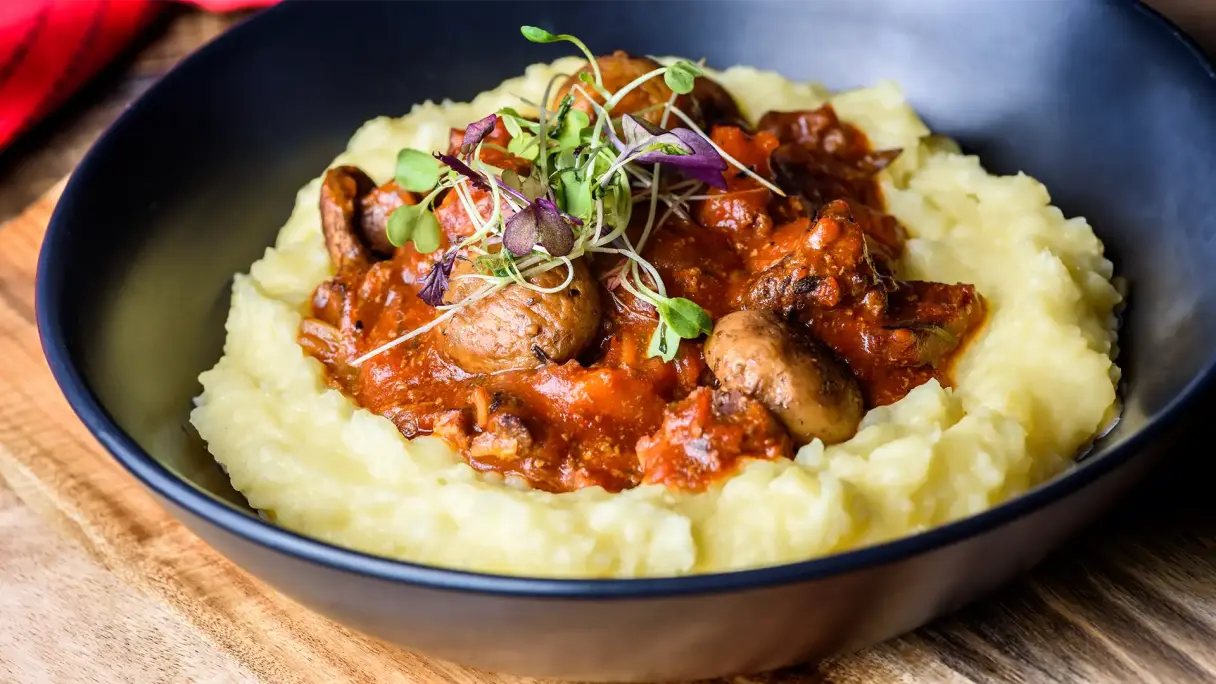
Beef bourguignon with a modern plating
When it comes to plating, modern cuisine focuses on structure and reduction: Components are served separately, colours are used deliberately, and textures are combined. Temperature contrasts as well as small, precise portions give the impression of quality. This turns traditional fare into a contemporary visual and culinary experience.
If you don’t want to only embrace retro charm on the plate but also as part of your kitchen’s ambience, MyStyle fridges from Liebherr can add stylish accents and harmoniously integrate the retro style via colours or an individual design.


This text has been machine translated from English.