



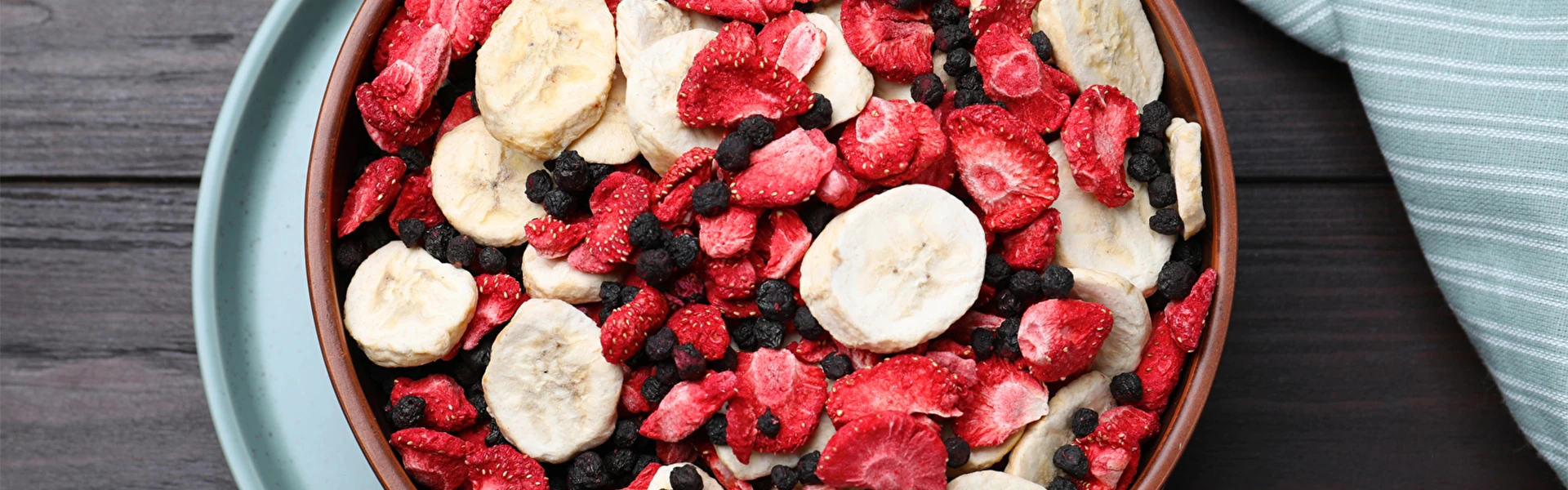
Freeze-dried fruits – enjoying tasty treats containing maximum nutrients
Find out more about how healthy freeze-dried fruits are and the best way to store them. Find out about the differences between freeze-dried and fresh fruits.
The key points
- The dehydration increases the sugar content, so they should be consumed in moderation.
- Alternative to sweets, without added sugar.
- Rich in vitamins, but more calorie-dense due to dehydration.
- Gentle freeze-drying preserves nutrients, colour and flavour.
- Pack the fruits airtight as they absorb moisture.
- Store them in a cool and dry place for a long shelf life.
- Freeze-drying takes place at -30 °C under vacuum.
- Freeze-dried foods have a longer shelf life and a more intense flavour.
- They are environmentally friendly to transport, but more energy-intensive in production.
Freeze-dried fruits – list of contents
- Nutrients and health – how healthy are freeze-dried fruits?
- Healthy snack or risky treat?
- Production – can you make freeze-dried fruits yourself?
- Use and consumption – how to enjoy freeze-dried fruits
- Storage and shelf life – how to preserve nutrients
- Comparison with fresh fruits – an equivalent substitute?
Nutrients and health – how healthy are freeze-dried fruits?
Raspberries, strawberries, cherries, bananas and other fruits can be found in freeze-dried form in most supermarkets, drugstores and unpackaged shops.
Thanks to the gentle freeze-drying process at extremely low temperatures well below 0 °C, almost all nutrients, vitamins and minerals are preserved. Heat-sensitive vitamins in particular, such as , benefit from this technique. Freeze-dried fruits contain no additives and offer a natural, nutritious alternative to conventional snacks.
As around 90 percent of the fruit’s weight is removed at the same time as the water, the remaining fruit is highly concentrated in nutrients such as vitamins. But the sugar content per gram also increases compared to fresh fruit. So they are best enjoyed in moderation.
Healthy snack or risky treat?
Freeze-dried fruits are an excellent alternative to sweets. They contain only the naturally occurring sugar and are packed with valuable vitamins. However, they should be consumed in moderation, as they are sweeter and more calorie-dense due to their low water content.
Apart from that, almost all nutrients are retained during drying. By freezing the fruits immediately after harvesting (-30 °C) and then placing them in a vacuum container, they gently lose their liquid through negative pressure. This not only preserves vitamins, but also their sensitive colours and flavours.
Production – can you make freeze-dried fruits yourself?
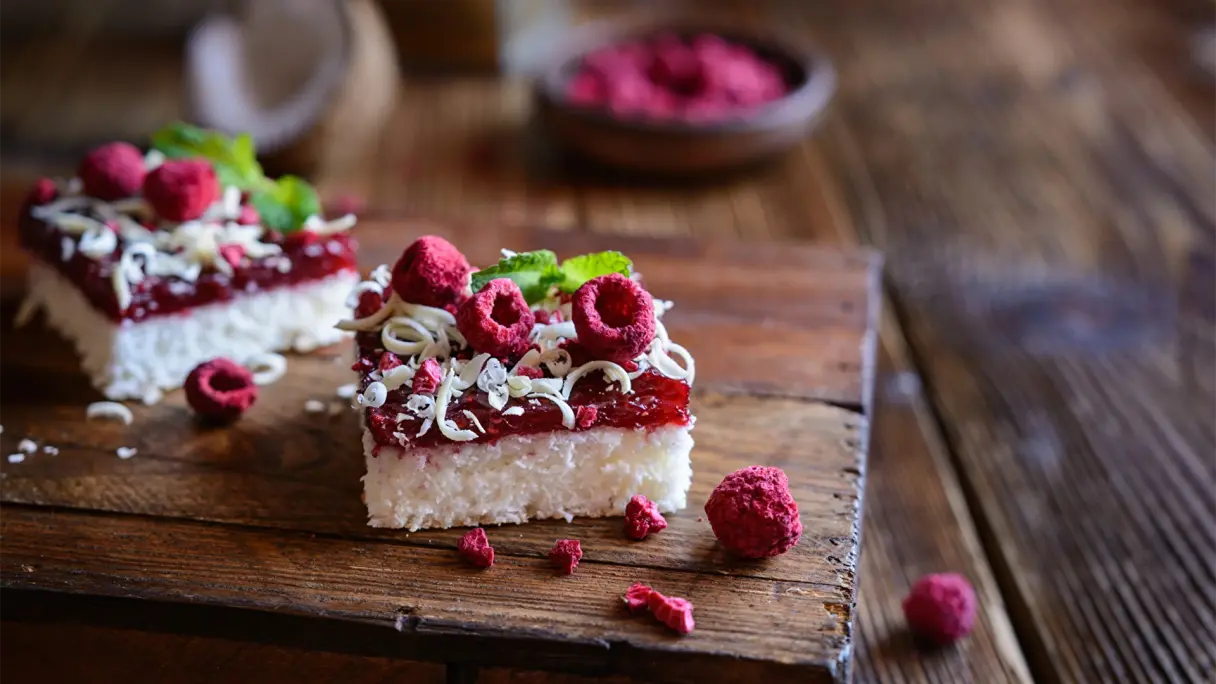
Industrial freeze-drying takes place at about -30 °C under vacuum, which changes the water directly from a solid to a gaseous state. This cannot be achieved with standard household appliances. In contrast to freeze-drying, the dehydrators often used in the kitchen to dry fruit work with hot air above 40 °C, which results in the loss of vitamins.
If you value optimal nutrient preservation, you should choose high-quality, industrially freeze-dried products.
Use and consumption – how to enjoy freeze-dried fruits
Freeze-dried fruits can be used in a variety of ways:
- Directly as a snack – crunchy and intense in flavour.
- In muesli and porridge – for an extra portion of fruit.
- As a topping for yoghurt or desserts – a fine, aromatic note.
- In smoothies – with a little liquid they develop their full flavour.
- For baking – perfect for muffins or biscuits.
Storage and shelf life – how to preserve nutrients
Freeze-dried products have a long shelf life – but only if stored correctly. You should pack them airtight as they draw moisture from the environment. This leads to clumping and ultimately to microbial spoilage. The ideal place to store them is in a cool, dry place.
For maximum nutrient preservation: the colder, the better. Vitamins that are particularly sensitive to heat are preserved for longer if you store the products tightly sealed in your fridge. Remember: they are not ideally stored in the BioFresh safe, where moisture is added for fresh fruit. Freeze-dried fruits require just the opposite.
Comparison with fresh fruit – an equivalent substitute?
While fresh fruit is filling, thanks to its high water, content and offers a natural freshness, freeze-dried varieties have a longer shelf life and more intense flavour.
Vitamins and nutrients behave almost identically to those in fresh fruit.
Calories are about ten times higher per gram compared to fresh fruit due to the water extraction and the sugar concentration is also significantly higher.
Freeze-dried products are more environmentally friendly during transport due to their lower weight, but less sustainable in production due to the high energy consumption during deep freezing and subsequent drying.
Freeze-dried fruits are an exciting alternative for your health-conscious diet. They are a healthy snack, suitable for flavouring dishes or as a long-lasting option for on the go. With correct storage, the full nutrient content is retained. If you want to try something more exotic, you can try freeze-dried peas, corn or broccoli. Vegetables can now also be bought freeze-dried.
This might also interest you

Honey – a sugary product from industrious workers with good nutritional values
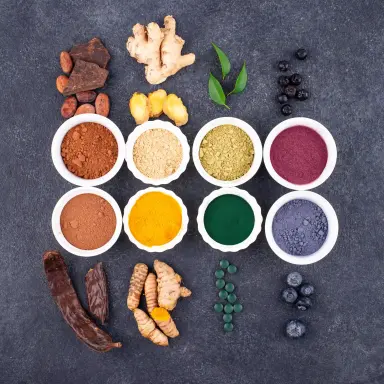
Home-made fruit powder – vitamins in the form of powder?
Fruit powder is popular in yoghurt or on muesli and can be very healthy. In FreshMAG, you’ll learn how you can make your own fruit powder.

Tanghulu – a Chinese sweet speciality
Tanghulu is a traditional Chinese sweet that is becoming increasingly popular around the world. Read this article to discover everything you need to know about tanghulu.