

Trout: nutritional values, protein and vitamins of the fish
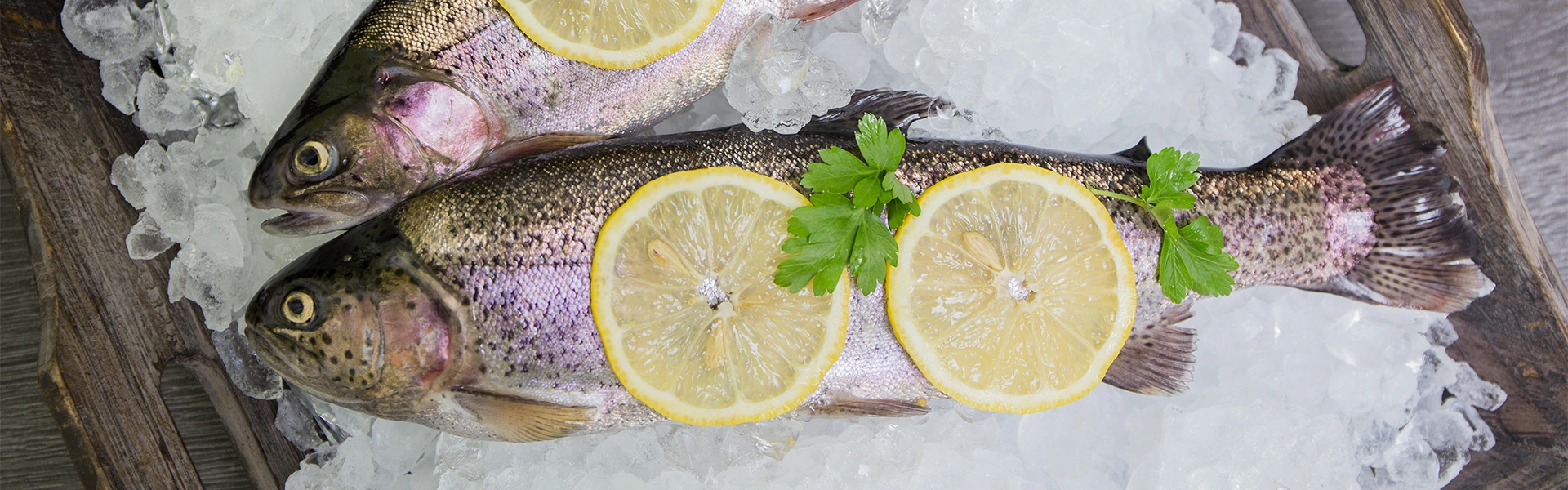
The trout can barely be seen as it darts across the stony bed of the clear stream. A fishing rod is all you’d need, and the evening meal would be caught! However, fresh or smoked trout, with all its valuable nutrients, is also readily available to buy. We reveal what nutrients, proteins and calories this fish contains.
Storage time*
| BioFresh Fish & Seafood safe -2 °C with low humidity | 4 days |
| BioFresh Meat & Dairy safe just above 0 °C with low humidity | 2 days |
| Fridge compartment 7 °C | 1 day |
| Freezer compartment -18 °C | 2 months |
The key points
- Nutritional values of trout: medium-fat fish with a fat content of only 2–5 %, rich in omega-3 fatty acids.
- Protein content of the trout: approximately 20 % high-quality protein, ideal for muscle building and recovery.
- Vitamins and minerals: contains vitamin D, B12, niacin, selenium, potassium and phosphorus.
- Trout and health: supports the heart, circulation and immune system and fits perfectly into a balanced diet.
Trout – list of contents
What nutrients do trouts contain?
Trout is rich in valuable nutrients: it provides high-quality protein (around 20% per 100 g), healthy polyunsaturated fatty acids – especially omega-3 fatty acids such as EPA and DHA – as well as numerous vitamins and minerals. These include vitamin D, B12 and niacin, as well as selenium, phosphorus and potassium. This makes it one of the most nutritious fish you can eat and means it should feature regularly on your plate – ideal for a balanced diet, muscle building, heart health and recovery.
But not all trout are the same. In fact, the term encompasses a wide variety of fish species. This usually refers to members of the genus Salmo trutta (such as brown trout, lake trout and sea trout) and rainbow trout, which belongs to the Pacific salmon family.
Trout prefer oxygen-rich, cool waters and are mainly found in the northern hemisphere. Depending on the type, season, origin (wild or farmed) and environmental conditions, their fat content varies between 2–5 %.

How healthy is trout?
Trout is considered an extremely healthy fish to eat and has a balanced nutritional profile. It provides high-quality protein, which is important for muscle development and cell regeneration. At the same time, it is low in fat, most of which is valuable omega-3 fatty acids, which have anti-inflammatory properties and can help prevent cardiovascular disease. Trout is also a natural source of vitamin D, B vitamins and minerals such as potassium, phosphorus and selenium. These nutrients can support the immune system, energy metabolism and bone health, among other things. This makes trout, with its nutritional values, ideal for a healthy, balanced and nutrient-rich diet.
Trout is available in various forms in shops: whole (fresh, frozen or smoked) or as fillets. Fresh trout should always be kept cool, stored in the fridge and consumed within one day. Fresh fish stays fresher for longer in the BioFresh Fish & Seafood safe in Liebherr appliances. You can then wait for up to four days before cooking the trout.
*All specifications given are to be considered as guideline values, and depend in each case on the type of food and on the proper storage without interruption of the cold chain from harvest/production through to the Liebherr appliance. Should food products have information about minimum shelf life, the date on the packaging always applies.