


Vitamin D-rich foods for a balanced diet
We are constantly hearing about the importance of consuming a balanced diet. This also includes adequate intake of vitamin D. But which foods contain vitamin D? And is nutrition alone sufficient to get enough of the sunshine vitamin? We’ll tell you where vitamin D is found and how you can best meet your needs.
The key points
- Endogenous vitamin D production: the body covers 80–90% of its vitamin D needs through its own production via sunlight, particularly with the help of UVB radiation.
- Contribution through food: only a few foods such as fatty fish, eggs, mushrooms and fortified products provide significant amounts of vitamin D, but they’re not usually sufficient on their own.
- Winter months and supplements: During periods of low sunshine, foods rich in vitamin D and dietary supplements are important to ensure you get an adequate supply.
- Important functions: vitamin D supports bone metabolism, strengthens the immune system and plays a role in sugar metabolism and cell health.
Vitamin D from food – list of contents
Vitamin D production from the sun: how it works
Vitamin D is the only vitamin that we absorb largely by a route other than through food. Our body is actually able to produce it itself with the help of UVB radiation from the sun. Skin, liver and kidneys have an important role to play in this production process. Important requirements are that the UVB radiation is sufficient, and we spend enough time outside. However, these conditions do not exist everywhere in the world. This is why vitamin D intake via food and food supplements also has a greater role to play in some areas.
That, even though we can absorb vitamin D through some foods, it is virtually impossible to cover our entire daily requirement of vitamin D in this way. Instead, the main responsibility here falls to self-synthesis with the help of sunlight. Ideally, this will meet 80–90 % of your daily requirements. The remaining 10–20 % of the necessary vitamin D is then down to food that you should incorporate into your nutrition. The recommended daily requirement of vitamin D is 20 µg per day.
In practice, this means we should stay in the sun for around twenty minutes a day during the sunnier months. During the winter, vitamin D supply is a problem in many countries, because the sun’s UVB radiation is no longer sufficient to meet our requirements. However, our liver is able to store excess vitamin D for up to four months. This is why in winter vitamin D-rich foods become particularly important.

Which foods contain vitamin D?
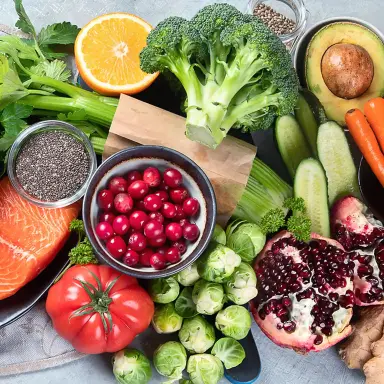
Whether as a supplement in summer or as a small glimmer of light in winter, vitamin D is found in food. However, only a few foods contain significant amounts. Definitely worth a mention are some cold-water fish such as eel, salmon, kipper and herring. These can also be stored particularly well in the freezer for long periods of time. Mushrooms, eggs, margarine, cream and processed cheese are also significant sources of the sunshine vitamin from your fridge. For example, there are 5 µg in:
- 80 g of kipper or herring
- 600 g of mushrooms
- 1 kg of beef liver
- 20 eggs and
- 600 g of margarine or processed cheese.
However, based on this it is clear that 20 µg per day are difficult to cover through diet alone. During the winter months, you should therefore consider taking supplements to meet your daily vitamin D requirements. However, keep in mind that it is a fat-soluble vitamin and that vitamin D should be taken with meals to be effective.
Vitamin D plays an important role in bone metabolism. Our bones are large mineral stores, and this is where our vitamin D also comes into play. In addition, vitamin D is also very important for our immune system. It activates the so-called non-specific immune defence. Researchers therefore assume that this reduces the risk of respiratory infections at all ages. In addition, functions supporting a healthy sugar metabolism and cell health are also well known. To ensure these functions, a sufficient supply of vitamin D is therefore crucial. You should therefore try to cover your vitamin D needs through food, sunlight and, if necessary, dietary supplements.