

Rhubarb is a superfood with excellent nutrients
Rhubarb is a real power vegetable with surprising health benefits. This tart vegetable is already in season in the first days of spring and scores with its winning combination of nutrient density and low calorie content. In this article, you will learn all about the contents, health benefits and seasonal tips for spring vegetables.
Storage time*
| BioFresh Fruit & Vegetable safe just above 0 °C with high humidity | 13 days |
| EasyFresh safe 7 °C with air regulation plate | 7 days |
| Fridge compartment 7 °C | 6 days |
| Freezer compartment -18 °C | 9 months |
The key points
- Perfect for a low-calorie diet
- Contains potassium, calcium, magnesium and vitamin C
- The fibre promotes digestion, while the polyphenols protect the cells
- The oxalic acid it contains is generally harmless when consumed in moderation
- Versatile use: sweet and savoury
- Freshness can be recognized by firm, shiny stalks
- Best stored in a cool place
Rhubarb – nutritional values and calories
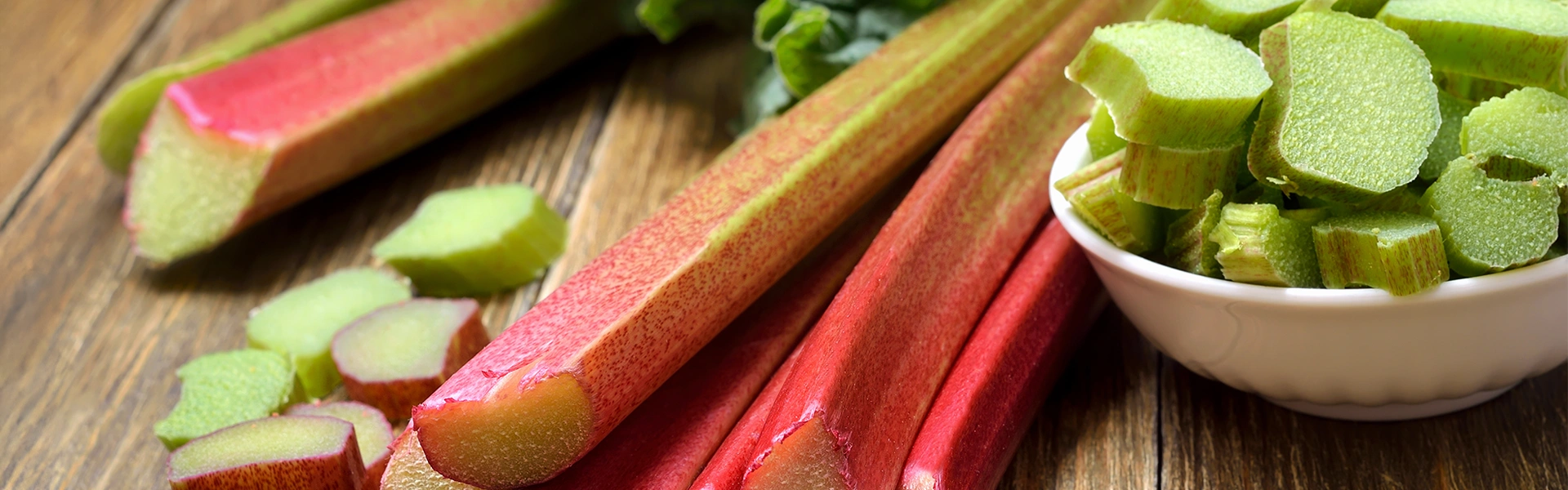
With around 20 calories per 100 grams, rhubarb is a real lightweight among vegetables and is anything but low in nutrients. The high water content of around 94 percent makes it particularly refreshing, while valuable nutrients such as potassium, calcium, magnesium and vitamin C make it an ideal part of a vitamin-rich diet.
Rhubarb also provides fibre, which stimulates digestion, and polyphenols, which have an antioxidant effect and can prevent cell damage. The oxalic acid contained in rhubarb is often discussed in critical terms, but is harmless for healthy people when consumed in moderation.
Rhubarb can be used in both sweet and savoury recipes, whether in sauces, curries or as an acidic contrast in salads. To preserve the valuable nutrients for as long as possible, we recommend storing them in the BioFresh safe from Liebherr. Rhubarb stays fresh for much longer here, at just above 0 °C and optimum humidity, and without any loss of flavour. If you want to freeze it, the NoFrost technology prevents ice formation and protects the structure and flavour. Rhubarb will keep for up to nine months if packed airtight and frozen.
You can recognise fresh rhubarb by its firm, shiny stalks and a moist cut. In case you were wondering when rhubarb tastes best: the redder the stalks, the milder and more digestible the flavour.
How healthy is rhubarb really?
Rhubarb has several health benefits. Particularly striking is its low calorie content and high fibre content, which promotes digestion and provides a long-lasting feeling of fullness. Rhubarb supports the immune system with vitamin C, vitamin K is important for blood clotting, and potassium helps to regulate blood pressure in a natural way. Calcium is important for your bone health.
Another plus is the secondary plant substances it contains, especially polyphenols, which have an antioxidant effect and can help prevent cell damage.
It is important to know that rhubarb contains oxalic acid, which can inhibit the absorption of minerals if consumed in excess. It should therefore be enjoyed in moderation and preferably eaten cooked.
Raw rhubarb – healthy or poisonous?
Rhubarb is considered healthy, but eaten raw it can also pose risks. The reason for this is the oxalic acid it contains, which is mainly found in the leaves and in lower concentrations in the raw stalks. While the leaves are generally inedible and must be removed, the edibility of the stalks depends on the preparation and individual sensitivities.
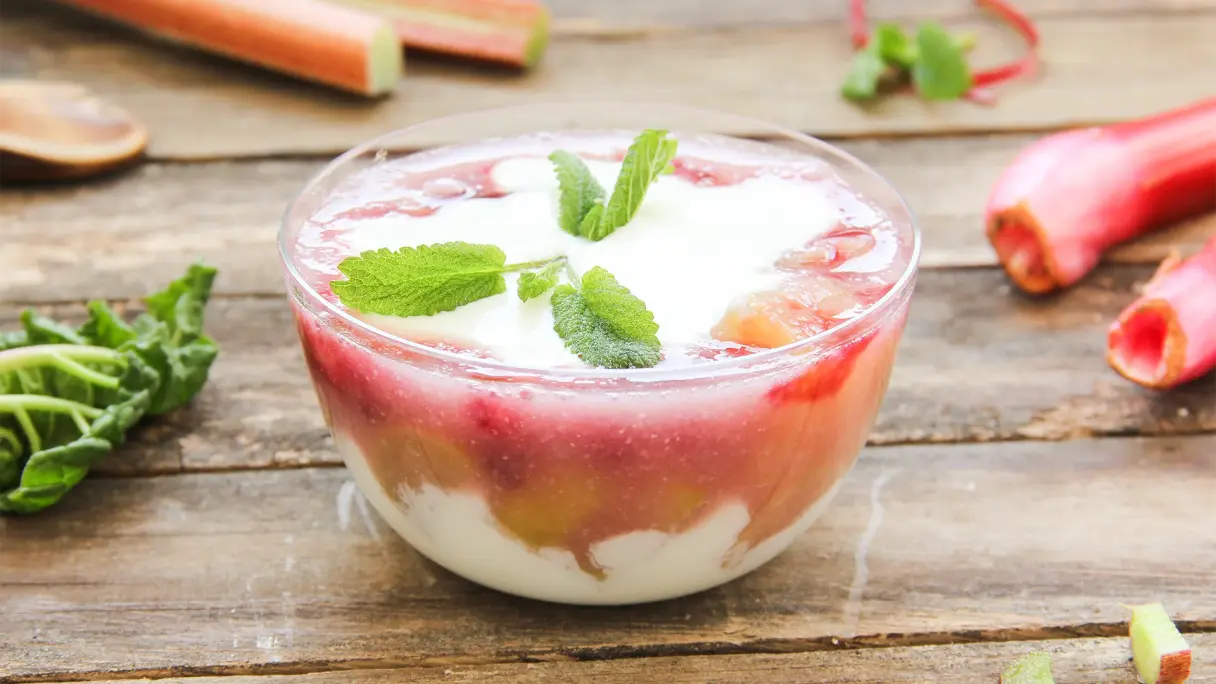
Children, pregnant women and people with kidney problems in particular should avoid raw rhubarb. For healthy adults, an occasional small bite is generally unproblematic. But the recommendation is definitely to cook rhubarb before it is served. Cooking significantly reduces the oxalic acid content, making the vegetables not only milder but also more digestible. If you want to be on the safe side, you can combine rhubarb with calcium-containing ingredients such as dairy products. Calcium can bind oxalic acid in the stomach, neutralising the risk of intolerance.
It is important to know that the fresher the stalks are, the less oxalic acid they usually contain.
FAQ – rhubarb
Although rhubarb is mostly used in sweet dishes such as compotes or cakes, it is botanically a vegetable. This is because the stalks are a plant from the knotweed family and not fruit, as is usually the case with fruits. In the kitchen, rhubarb is often prepared like fruit because of its fruity flavour, but scientifically it remains a vegetable.
Rhubarb is in season from April to the end of June. It should not be harvested and eaten after 24 June (St John’s Day), as the oxalic acid content in the stalks increases sharply after this date. This natural acid can be harmful to health in higher quantities – especially for people with kidney problems. Rhubarb also loses its flavour and texture after its season. When shopping, look for sturdy, shiny stalks without brown spots. These are signs of freshness and quality.
Rhubarb contains oxalic acid, a natural compound which, in large quantities, can impede the absorption of calcium and other minerals. Excessive consumption can lead to kidney stones in the long term, particularly in sensitive individuals.
So moderate consumption is recommended, ideally in cooked form. Being combined with calcium-rich foods such as quark or yoghurt helps to bind the oxalic acid and makes the rhubarb more tolerable.
*All specifications given are to be considered as guideline values, and depend in each case on the type of food and on the proper storage without interruption of the cold chain from harvest/production through to the Liebherr appliance. Should food products have information about minimum shelf life, the date on the packaging always applies.