

Potatoes: nutritional values and calories of the all-rounder
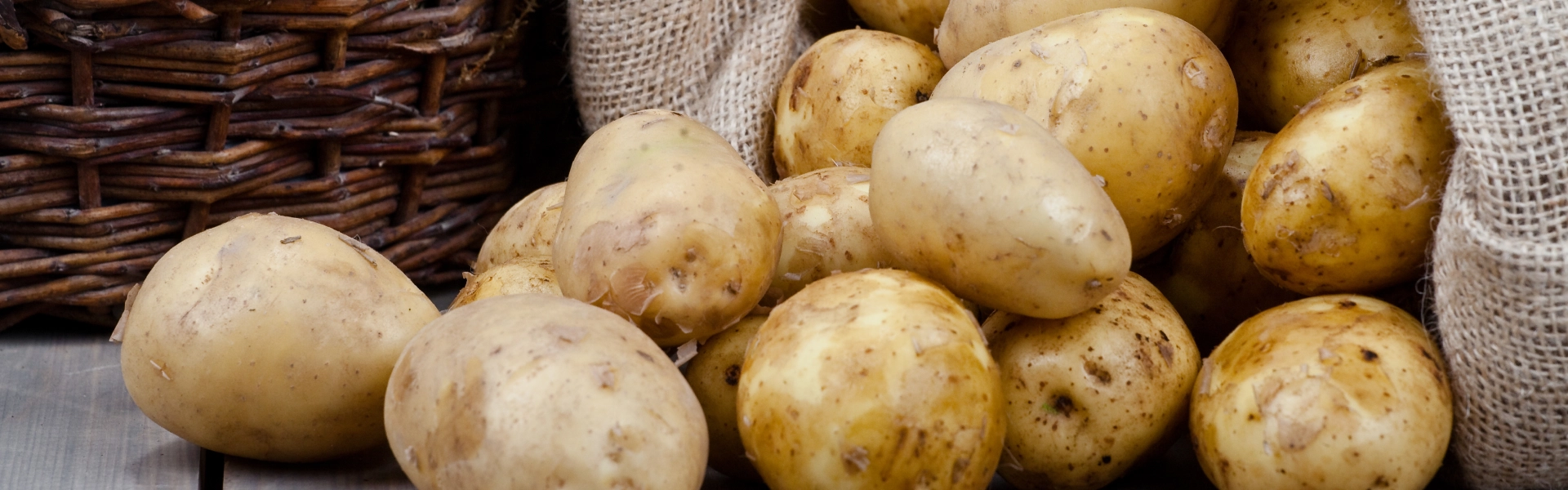
Potatoes are one of the most important foods on the planet. They come to us as chips, crisps, hash browns, boiled potatoes and mash. And potatoes do all this which being chock full of nutrients. They are very filling and are a popular side dish. Find out how much energy potatoes contain and how healthy it is to eat them.
Storage time*
| Fridge compartment 7 °C | 17 days |
| Room temperature 20 °C | 5 days |
| Freezer compartment -18 °C | 24 months |
The key points
- Low energy, but fill you up: 100 g cooked potatoes contain only 80 kcal – ideal when watching energy levels in your diet.
- Valuable protein: potato protein provides all the essential amino acids, even though the protein content is quite low at 2 g per 100 g.
- Avoid raw potatoes: uncooked potatoes contain solanine – a natural toxin that is largely destroyed only by heating the potato.
- Correct storage matters: potatoes are best stored in a dark, cool (5–8 °C) and well-ventilated place to preserve their quality and nutrients.
How much energy and protein do potatoes contain?
100 g cooked potatoes contain only 80 kcal. They make you relatively full for so little energy. Their complex carbohydrate content is particularly impressive. Complex carbohydrates are released slowly into the bloodstream, giving you energy over a long period of time.
There are around 2 g protein in every 100 g potato – not a lot but it’s in a very valuable biological form. Potato protein contains all essential amino acids that the body needs.
The fat content is negligible, which is good for a low-fat diet. They also contain important vitamins such as vitamin C and B6 as well as minerals including potassium and magnesium. In combination with other foods rich in protein, like quark or eggs, potatoes can be an ideal part of a balanced diet – whether as a side dish or main meal.
Where does the potato come from?
The potato, indispensable in the modern-day kitchen, is originally from South America, specifically the Andes regions in Peru and Bolivia. They have been cultivated there by indigenous groups for over 7,000 years. Spanish sailors brought them to Europe in the 16th century, where they were eyed with suspicion. Today they are one of the most important staples globally, as they should be. They are a nutritional powerhouse.
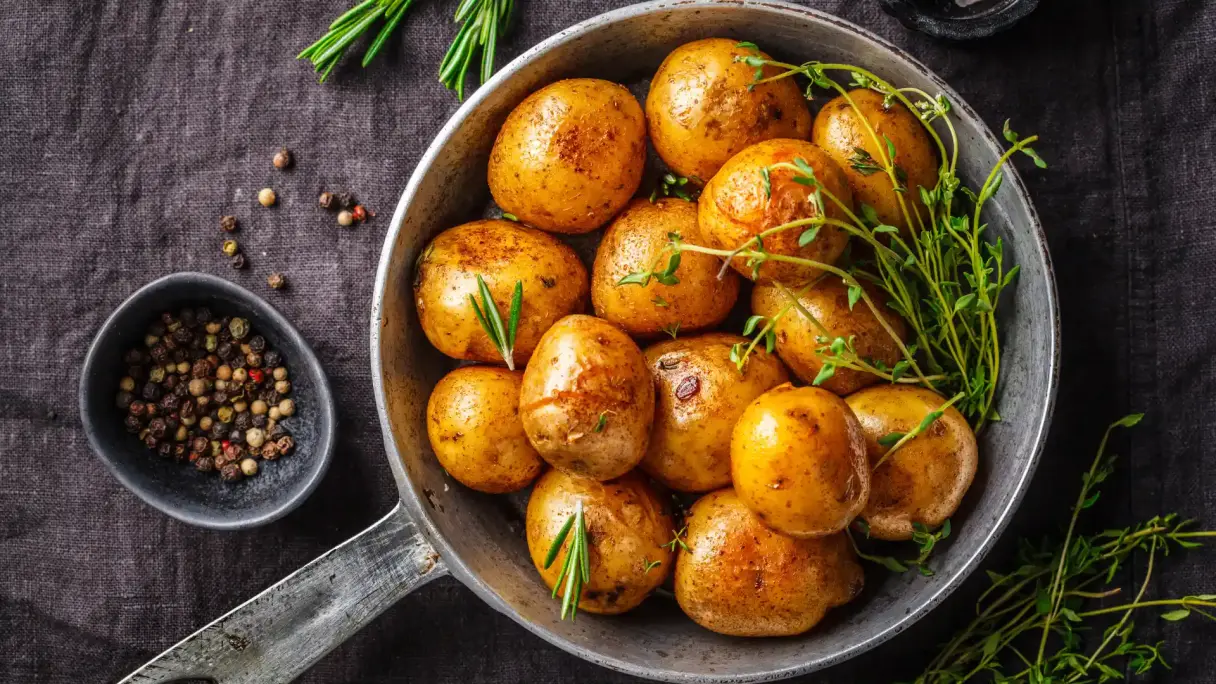
Are raw potatoes toxic or healthy?
Raw potatoes are not suitable for eating, as they contain the natural toxin solanine. This forms primarily in the green parts and sprouts and eating excessive amounts can result in nausea, vomiting and stomach cramps. That is why potatoes should always be boiled, roasted or baked before eating: heating largely destroys the solanine. Raw potatoes are not immediately toxic in small amounts, but only cooked potatoes are healthy.
Cooked potatoes are easy to digest, rich in nutrients and a good source of energy, vitamins and minerals. If you want to be safe rather than sorry, cut out green parts or throw away affected potatoes.
How do you properly store potatoes?
Potatoes are best stored in cool (5–8 °C), dark, dry and well-ventilated places. In the fridge at 7 °C they keep for up to 17 days, in the freezer they can last as long as two years. Plastic bags and light places are not good for storing potatoes. Instead breathable containers like jute sacks and wooden crates are ideal.
*All specifications given are to be considered as guideline values, and depend in each case on the type of food and on the proper storage without interruption of the cold chain from harvest/production through to the Liebherr appliance. Should food products have information about minimum shelf life, the date on the packaging always applies.