

Onion: nutritional values, calories and vitamins of the vegetables
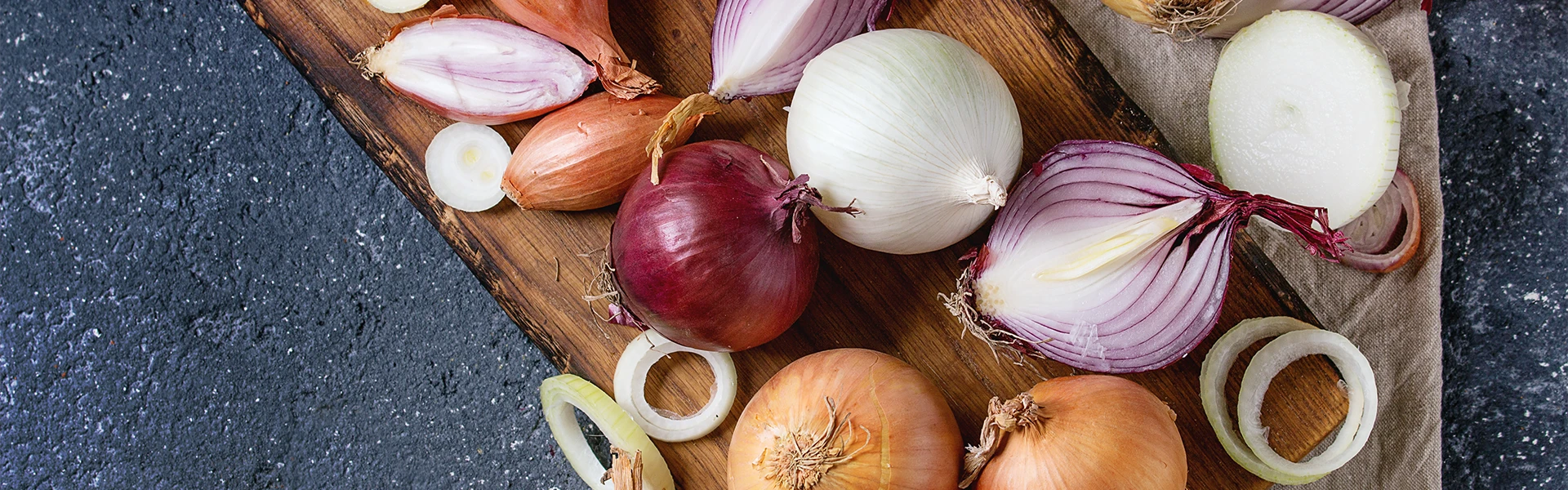
Some like it hot, others prefer it mild – onions offer both, and alongside tomatoes, they are one of the most commonly consumed vegetables. And onions have a lot to offer in terms of nutritional value. We reveal the vitamin content of this vegetable and the health benefits of onions.
Storage time*
| BioFresh Meat & Dairy safe just above 0 °C with low humidity | 28 days |
| Fridge compartment 7 °C | 15 days |
| Freezer compartment -18 °C | 10 months |
The key points
- Low in calories and rich in nutrients: approximately 40 calories per 100 g, contains vitamin C, B6, folic acid, potassium and manganese
- Valuable plant substances: quercetin and sulphurous compounds promote health and have anti-inflammatory properties.
- Healing powers: mustard oils stimulate digestion and support the liver, gallbladder, kidneys and bladder, especially when raw or crushed.
Here’s how onions stack up in terms of calories and vitamins
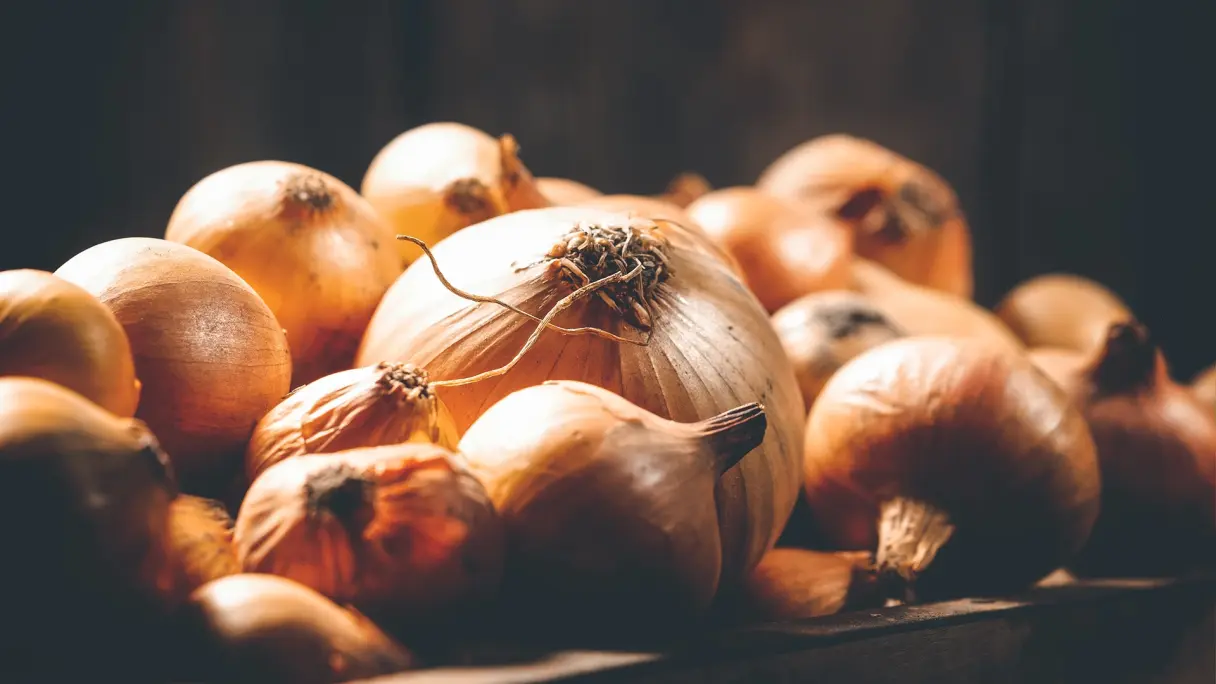
With only around 40 calories per 100 g, onions are one of the lighter vegetables. At the same time, they provide some important nutrients: in addition to vitamin C, onions also contain vitamin B6, folic acid and small amounts of potassium and manganese. Secondary plant compounds such as quercetin are particularly appealing. The fibre content is around 1.7 g per 100 g and aids digestion. Despite their sugar content of approx. 4.5 g, onions have little effect on blood sugar levels. The slightly pungent taste comes from sulphurous compounds that are released when cut – the same substances that are responsible for its health-promoting effects. Onions therefore provide valuable nutrients that fit perfectly into a balanced diet.
And to keep onions fresh for as long as possible, it is best to store them in the fridge, where they will stay fresh for up to 15 days. Onions can even be stored for up to 28 days in the BioFresh Meat & Dairy safe compartment of your Liebherr fridge. This compartment has low humidity and a temperature just above 0 °C, ensuring that onions are stored in a cool, dry place.
Health benefits of onions
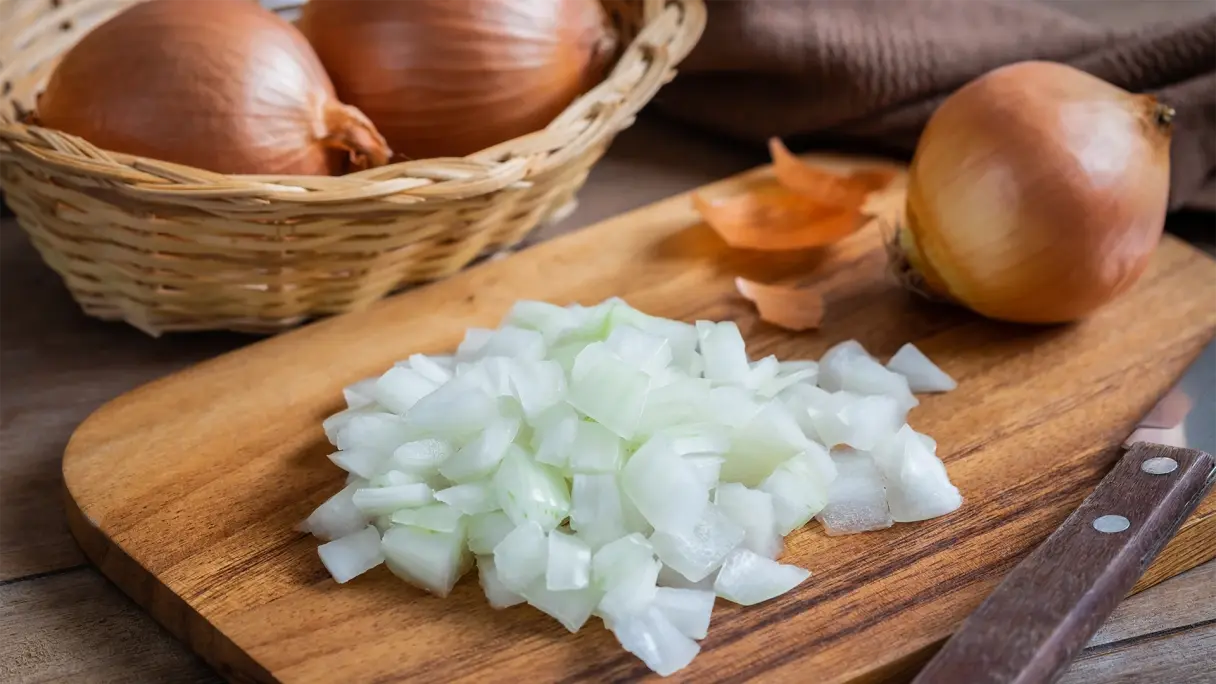
Even in ancient Rome, people valued onions for their nutritional value as a medicinal, spice and vegetable plant. For as inconspicuous as they may seem, their healing properties are considerable: onions are rich in vitamins, minerals and trace elements and also have a particularly high content of essential, sulphurous oils and other aromatic substances.
The mustard oils contained in onions can stimulate the internal mucous membranes and digestive glands, thereby increasing appetite. In addition, onions can support the liver, gallbladder, pancreas, kidneys and bladder with their nutritional values. However, to fully benefit from their healing properties, onions should be eaten chopped, minced or grated. This is because the healing sulphides can only be released once the tissue has been “destroyed”. If you want to enjoy the nutritional value of onions and their health benefits, you will probably have to shed a few tears when cutting them.
*All specifications given are to be considered as guideline values, and depend in each case on the type of food and on the proper storage without interruption of the cold chain from harvest/production through to the Liebherr appliance. Should food products have information about minimum shelf life, the date on the packaging always applies.