

Nutritional values of the peanut – a popular legume snack
Either as a small snack for the evening’s TV viewing or as a creamy spread on your toast in the morning – peanuts are growing in popularity! Peanuts are currently ranked as the fifth most popular snack in Germany. This and other fascinating peanut facts along with their nutritional values can be found in this article.
The key points
- Peanuts grow underground, which is the reason for their name.
- They are rich in proteins and unsaturated fatty acids, especially oleic acid and linoleic acid, and contain important vitamins such as folic acid and resveratrol, which acts as an antioxidant.
- Despite their high fat content, peanuts are a healthy snack due to their nutritional value and have a long shelf life when they’re stored in a dry place.
- However, they are problematic for peanut allergy sufferers due to their strong allergenic potential and are often hidden in many foods and products.
The peanut: versatile with healthy nutritional values
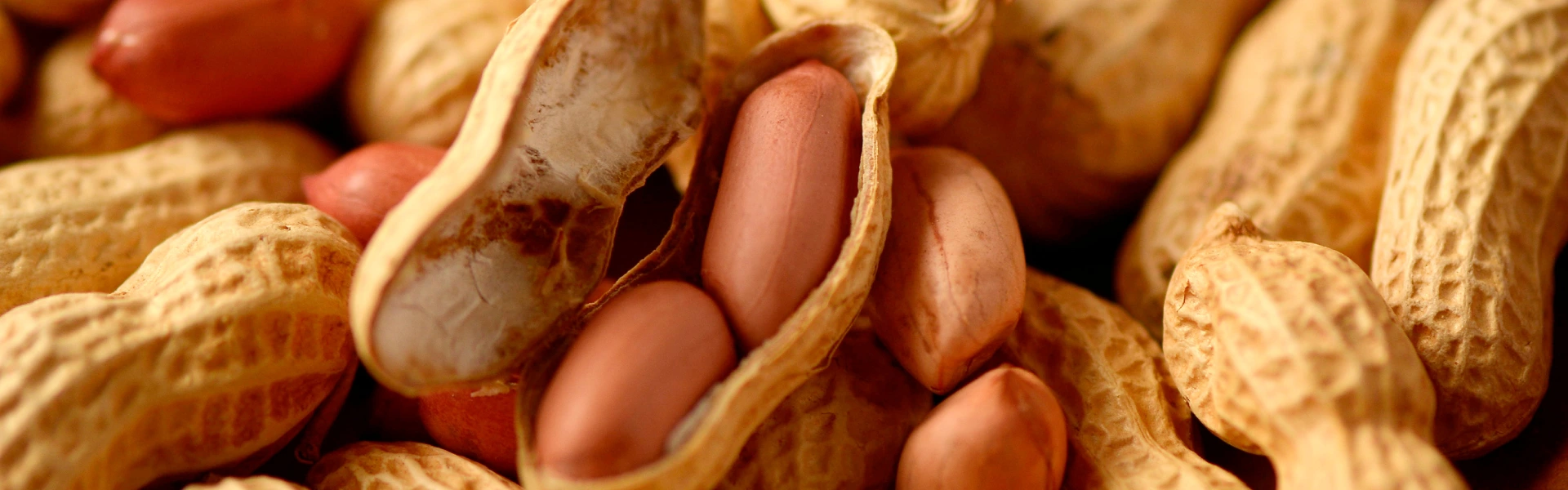
Let’s get straight to a very interesting question concerning the peanut: where does it get its name? For this, it’s worth taking a look at the fascinating way in which the plant grows. The herbaceous peanut plant produces yellow papilionaceous flowers. After the flowers have been pollinated, an ovary forms, which slowly grows down towards the soil and – eventually – into the earth. After four to five months, the fruit we are familiar with develops between the seeds. The alternative name of ground nut therefore comes from the fact that the peanut actually grows underground. After harvesting, the peanuts are roasted. New aromas are created, the bitter content is reduced, and the shelf life is increased.
You will certainly have read the warning “may contain traces of nuts” on many processed products. This is crucially important information for some consumers if they have a peanut allergy. This is because peanuts in particular have a high allergic potential in addition to some good nutritional values. Allergies are an acquired hypersensitivity reaction of the immune system. There are hardly any foods which don’t cause allergies to some people. For peanut allergy sufferers, it is therefore particularly important to avoid the small legumes.
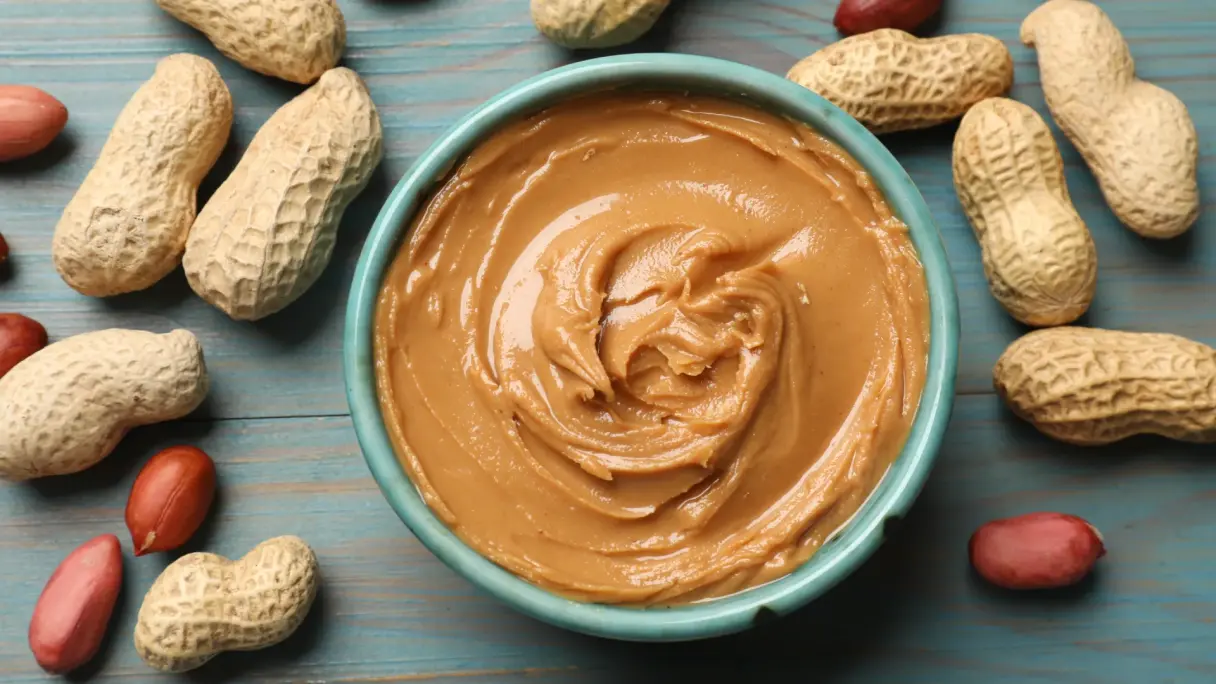
A peanut allergy is particularly problematic as the legume is now found in many products where it is not expected. This is the case, for example, in bread and bakery products, various chocolate bars and even in cosmetics. However, by far the most common way to process peanuts is to make cooking oil, margarine and peanut butter.
Nutritional values in peanuts: a healthy snack?
Compared to other nut varieties such as almonds, pistachios, hazelnuts and walnuts, the peanut has the highest protein content. But the fat content of 48 percent is also impressive. It is therefore also an important oil seed. The high proportion of fat makes the small peanuts very high in calories, but 75 percent comprises a large amount of unsaturated fatty acids such as oleic acid and linoleic acid. Their content of folic acid and resveratrol (with a strong antioxidant effect) is also worthy of note, together with some of the vitamins in peanuts.
The peanut’s long shelf life is very helpful when preparing food - it’s great for some spontaneity in your cooking. This is because whole peanuts keep their nutritional values fresh for up to 180 days, provided they are stored in a dry place. Take care with shelled peanuts, they must be used up quickly so that they do not become rancid.