


Buying and storing unpackaged food correctly
Are you already on-board when it comes to buying unpackaged food? Unpackaged food is currently very popular because it contributes to climate protection. This way you can reduce plastic or even avoid it altogether when you do your shopping. In this article, we’ll tell you how to do this kind of shopping without packaging and how to store your food afterwards.
The key points
- Shopping plastic-free: unpackaged food helps to prevent packaging waste and protect the climate.
- Large selection: in organic and unpackaged stores, you’ll find many products without any packaging.
- Sustainable transport: existing cans, bags and jars from your household can be used for your shopping.
- Correct storage: dry products should be stored in an airtight container in a dark place, and fresh products should be stored in a cool place or frozen.
Buying and storing unpackaged food – list of contents
Why you should buy unpackaged food
Environmental protection is one of the most important issues in our society – and for good reason. Our plastic packaging waste, which ends up in the environment, plays a role in this. The environmental impact of this is immense. This is reason enough to minimise plastic consumption – a simple approach is to reduce food packaging. However, some food packaging is essential or desirable. It helps to keep products fresher for longer and therefore contributes to the prevention of food waste. By contrast, other forms of packaging can readily be dispensed with. Fruit and vegetables in particular often already have their own packaging in the form of their peel or skin. Buying unpackaged food is therefore straightforward and is something you’re probably doing already. In special unpackaged stores and many organic shops, you can buy most foods unpackaged.
There’s nothing to stop those who want to start protecting the climate and using unpackaged food for their purchases from now on. You can use existing food storage boxes, bags and tins when you do your shopping. Take a quick look in your pantry or freezer – you’re sure to find a reusable container or two in there. There are now plenty of smart solutions for buying unpackaged food, but you’re sure to have plenty of reusable packaging material lying around at home. So you’re all set to make your first or next purchase of unpackaged food!
Storing unpackaged food correctly

While the advantages of buying unpackaged food are clear, the question of storage still arises. Different rules apply to different food groups.
- For dry products (e.g. rice, cereal flakes, lentils or muesli), it’s particularly important that the food is packaged and kept in an airtight container in a dry and dark place. It will then keep for a long period without any problems – that’s because this gives micro-organisms and oxygen little scope to start any spoilage process.
- For fresh products, such as fruit and vegetables, storage is a much more important factor in influencing the shelf life and freshness of the products. Due to its usually very high water content, fresh food spoils much faster. Store your unpackaged fruit and vegetables in the fridge to keep them fresh for a long time. The Fruit & Vegetable safe in a Liebherr fridge is the ideal solution for unpackaged fruit and vegetables. The moisture in the unpackaged food is retained, which means it stays fresh and crisp.
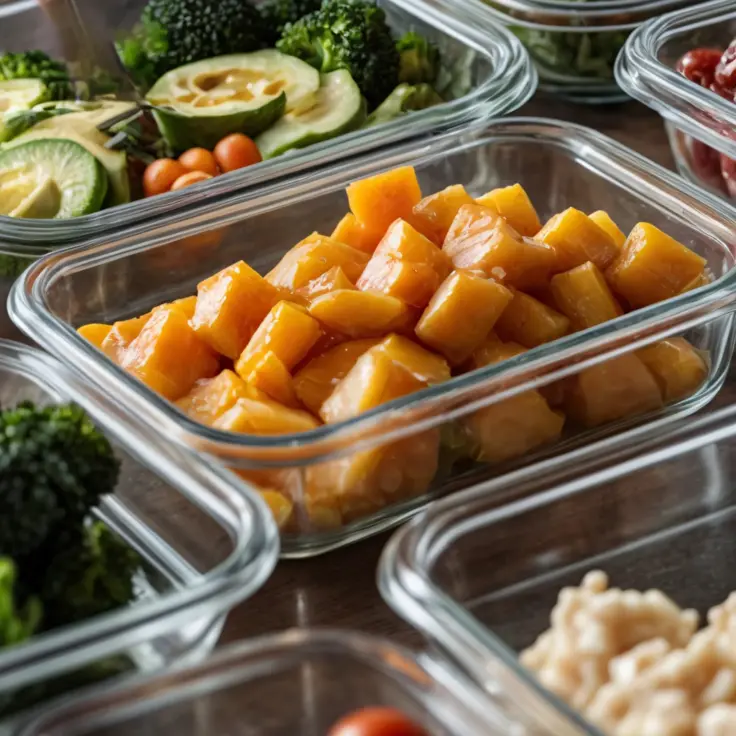
If you want to store your unpackaged food for a long period of time, the chest freezer is the best choice. When freezing unpackaged food, fans of packaging-free food want to avoid using plastic freezer bags if possible. An excellent option here is to use reusable plastic containers for freezing. Although they are also made of a material which uses up lots of resources, they can be used for many years. Inflexible materials such as glass should only be filled to a few centimetres below the rim, as the inflexible glass may burst when the contents expand as they freeze.
Essentially, you can use anything that you also used for shopping to store unpackaged food. Cotton, paper or other materials can also be used for short-term storage, but these materials are not suitable for storage over longer periods. If the oxygen present in the atmosphere gets into the unpackaged food, the food quickly spoils and becomes rancid and therefore inedible.
With these simple tips for purchasing and storing unpackaged food, you can embrace the unpackaged trend in no time.
This might also interest you

Preserving – rediscovering a trend
Back in the day, preserving food to make it keep for longer was essential; today it’s a hallmark of a more sustainable lifestyle. Learn how to preserve food.
Freezing without plastic using these alternatives
Freezing without plastic: discover sustainable alternatives such as glass, stainless steel and wax wraps to keep food fresh in an environmentally friendly way!

Veganuary – try going vegan this January
Go vegan for one month? We’ll show you how to make Veganuary a reality.