


Palm kale: nutritional values and vitamins of this cabbage
The fast-growing palm kale is a highlight both visually and nutritionally. Kale provides a variety of valuable vitamins in autumn and on cold winter days. With its nutritional values, palm kale offers a genuine alternative to many other types of cabbage. Find out more about the origin, nutritional content and storage of palm kale here.
Storage time*
| BioFresh Fruit & Vegetable safe just above 0 °C with high humidity | 10 days |
| EasyFresh safe 7 °C with air regulation plate | 5 days |
| Fridge compartment 7 °C | 4 days |
| Freezer compartment -18 °C | 9 months |
The key points
- Vitamin-rich winter vegetable: palm kale contains high levels of vitamin C, provitamin A, E, K and B2, and provides the body with important minerals such as calcium, iron, potassium and phosphorus.
- High bioavailability: the calcium it contains is particularly easy for the body to absorb, making it ideal for a healthy diet.
- Mild taste: black palm kale has a pleasantly mild flavour and is perfect for quiches, minestrone or other savoury dishes.
Palm kale – list of contents
Palm kale: origin, nutrients and vitamins
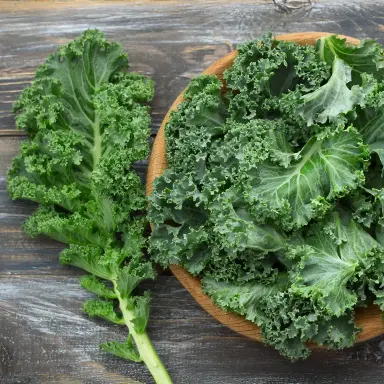
Despite its beneficial nutritional values, palm kale is relatively unknown compared to many other types of kale. In contrast to the plump, round white cabbage, the long, smooth, narrow leaves of black palm kale grow upwards in a ring around the central stalk and resemble palm fronds. The name and growth habit of palm kale are reminiscent of warmer, southern countries. And this is also where this cabbage variety originally comes from. The vegetable originates from northern Italy, but is now cultivated in many European countries.
Palm kale contains many nutrients: potassium, calcium, iron and phosphorus. The calcium contained in the kale has a high level of bioavailability. This means that a large amount of the calcium from the vegetable can be easily absorbed by the body. Palm kale also contains mainly vitamin C and provitamin A. Just 100 g of palm kale is enough to meet your daily requirement of provitamin A. The green leaves also contain vitamins E, B2 and K. In addition, palm kale contains healthy glucosinolates. The low calorie content of 25 kilocalories per 100 g makes black palm kale ideal for a calorie-reduced diet.
Taste and nutritional values of palm kale
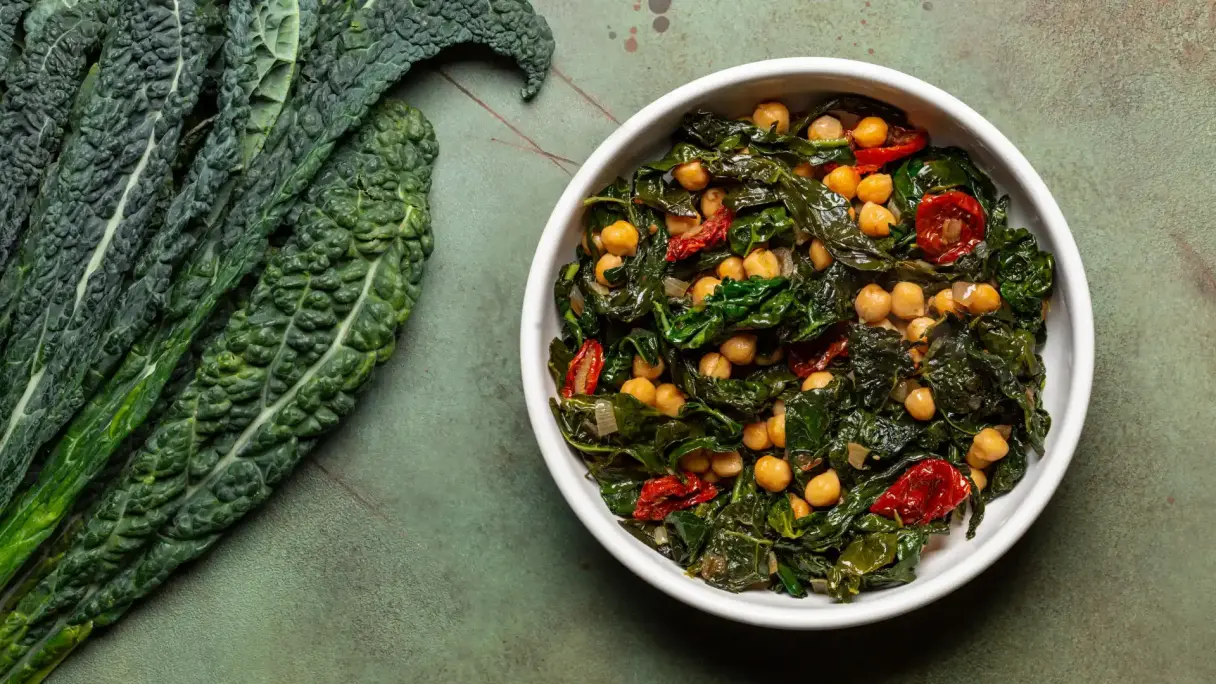
The taste of the long leaves of palm kale is similar to that of kale. However, palm kale is much milder compared to related varieties such as white or pointed cabbage. When preparing the dish, make sure to cook the leaves gently to preserve the vitamins in the palm kale. You should also eat the kale with a fatty component to help optimally absorb the fat-soluble vitamins A, E and K.
The delicate leaves work wonderfully as an ingredient in a quiche, for example. The mild black palm kale leaves also go very well with the ingredients of a minestrone. This consists of white beans, potatoes and tomatoes, topped off with fresh lemon and home-made croûtons. Use palm kale with its excellent nutritional values in every conceivable kale dish and enjoy its mild flavour.
When buying palm kale, look out for plump looking leaves as these show that the product is really fresh. Freshly harvested or purchased palm kale can be stored in a regular fridge for about four days. However, in a Liebherr fridge, BioFresh allows you to store sensitive foods in a Fruit and Vegetable safe at a regulated temperature and humidity level. This means that palm kale retains its nutritional value for up to 10 days in this fresh food compartment. Alternatively, you can blanch the finely chopped leaves, dry them and store them in your chest freezer for around nine months.
*All specifications given are to be considered as guideline values, and depend in each case on the type of food and on the proper storage without interruption of the cold chain from harvest/production through to the Liebherr appliance. Should food products have information about minimum shelf life, the date on the packaging always applies.