

Lime: its effects and why it’s so sour
The popular Caipirinha cocktail only gains its distinctive fruity and sour flavour once limes have been added. And why can’t you make this cocktail with lemons instead? It’s simple – lime has a special effect: it is more flavourful and has an impressively high juice content. This makes it ideal for refreshing Brazilian drinks. In this article, we’ll reveal what else distinguishes limes from yellow lemons.
Storage time*
| Larder compartment 12 °C | 35 days |
| EasyFresh safe 7 °C with air regulation plate | 25 days |
| Fridge compartment 7 °C | 20 days |
| Freezer compartment -18 °C | 12 months |
The key points
- Limes are low in calories and contain valuable vitamins.
- Their acidity, vitamins and secondary plant substances support the immune system, digestion and skin.
- They have many uses in the kitchen.
- Cut fruit should be consumed quickly or frozen.
Lime: effect, taste and difference from lemon
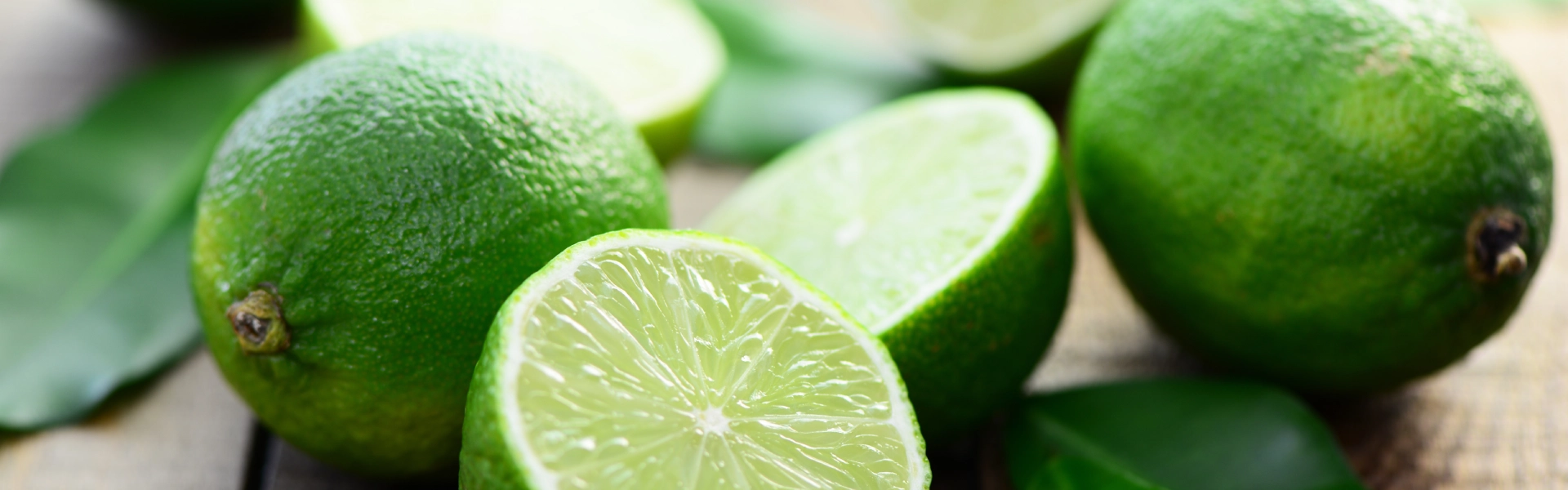
Limes are a type of citrus fruit and grow in tropical climates. The green fruit grows on small, evergreen trees which produce fruit all year round. The shape of limes is very reminiscent of lemons. However, instead of having a firm, bright yellow skin, they have a thin, green to light-yellow skin.
Speaking of lemons: are limes the same thing, just the green version of them? In general, we can say that these two fruit are different types of citrus fruit. Limes are smaller than their yellow cousins, less sour and have a broader, distinctive spectrum of flavour. What’s more, limes are much juicier than lemons – some of them can even contain twice as much juice.
Despite all this, limes are often called the “lemons of the tropics”, due to their similar uses. The nutritional values of lemons and limes also differ only minimally. Lemons and limes are aromatic and healthy. They contain only about 30 kilocaloriesper 100 g, making them extremely low in calories. They consist of about 90% water, but still provide important micronutrients. A ripe lime contains around 30-50 mg of vitamin C per 100 g, which covers around a third of the daily requirement. Limes also contain potassium, calcium, phosphorus and small amounts of magnesium. Although they are low in protein and fat (less than 1 g each), they contain around 1–2 g of carbohydrates, mainly in the form of fructose. Secondary plant compounds such as flavonoids are also found in limes and have an antioxidant effect on the immune system, skin and digestion. This means that these small green fruits are not only a tasty addition to your diet, but also a fresh source of nutrients.

Limes: effect and use when stored correctly
It’s little wonder why there is a big question mark when it comes to buying limes: It is difficult to determine whether citrus fruit are ripe and of high quality, due to their firm skins. We’ll provide you with a few tips to help make the selection process a little easier for you. Look out for firm, shiny fruit that are heavy for their size – this is a sign that they contain plenty of juice. Avoid very yellow limes (they are overripe) or limes with brown spots. By the way, yellow spots on the skin are not a sign of reduced quality.
Limes can be kept fresh for up to 20 days in the regular fridge compartment at 7 °C. Some Liebherr fridges have a larder compartment with a temperature of 12 °C. Limes can even stay fresh for up to 35 days here.
Fruit that has been cut can be stored in a reusable container and should be consumed within a few days. If you won’t be able to use up the lime quick enough, then freezing it isn’t a problem either. And if you just need the juice, squeeze out the lime juice and freeze it in an ice cube container. You should note that limes do not keep nearly as well as lemons do. The reason for this is their thin skin.
Limes are suitable for a whole range of things. Use lime juice, for example, for marinades, dressings or drinks, such as a refreshing summer lemonade or your favourite cocktails. The flavour of lime complements poultry, fish and seafood dishes in particular. The rinds can also be used for pastries and desserts, thanks to their abundance of essential oils. However, you should definitely only use organic limes. When you choose organic fruit, you can be certain that no pesticides are present on the skins.
Our tip: in order to squeeze the most juice out of limes, firmly roll the fruit a few times on the worktop first.
*All specifications given are to be considered as guideline values, and depend in each case on the type of food and on the proper storage without interruption of the cold chain from harvest/production through to the Liebherr appliance. Should food products have information about minimum shelf life, the date on the packaging always applies.