Natural cork or screw cap?
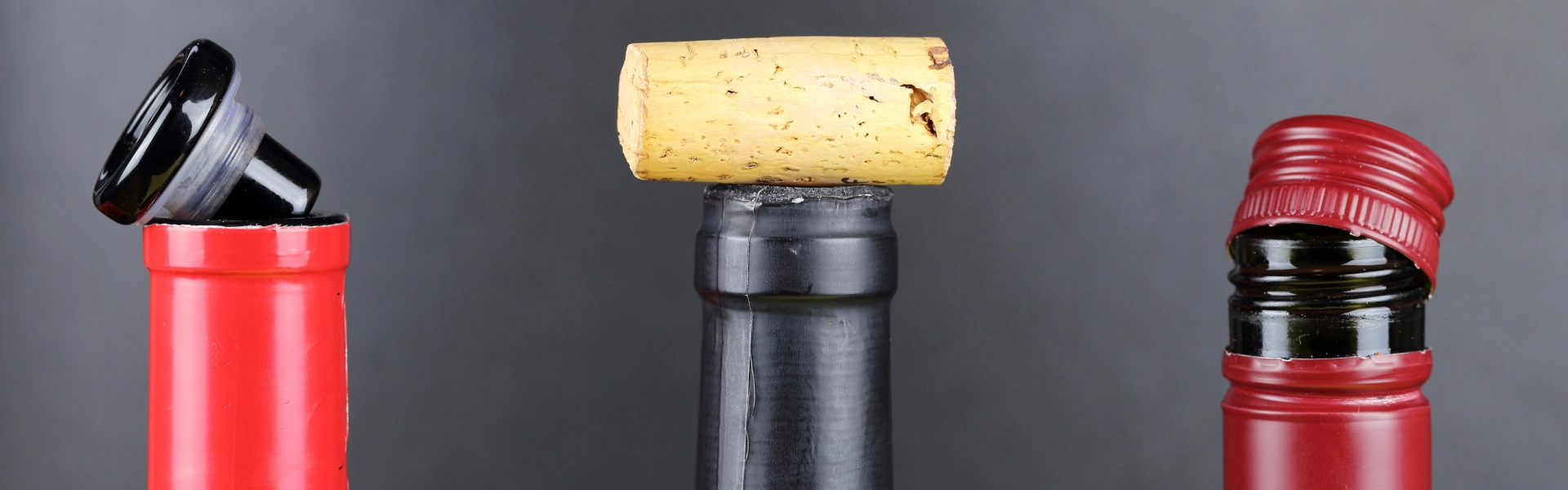
Experts reckon that globally every year around 17 billion bottles of wine are filled and sealed shut. Alongside traditional corks and synthetic plastic bungs, there is an ever increasing trend for many bottles to be sealed with a screw cap. But which bottle seal is better?
The key points
- Screw tops are used even for high-quality wines.
- They prevent cork taint and preserve the original character of the wine.
- Proven by science: screw tops do not impact the ability of a wine to age.
- The oxygen present in the bottle will be enough for good ageing.
Wine bottle tops – list of contents
Screw tops are cost effective but are not just for cheap wines
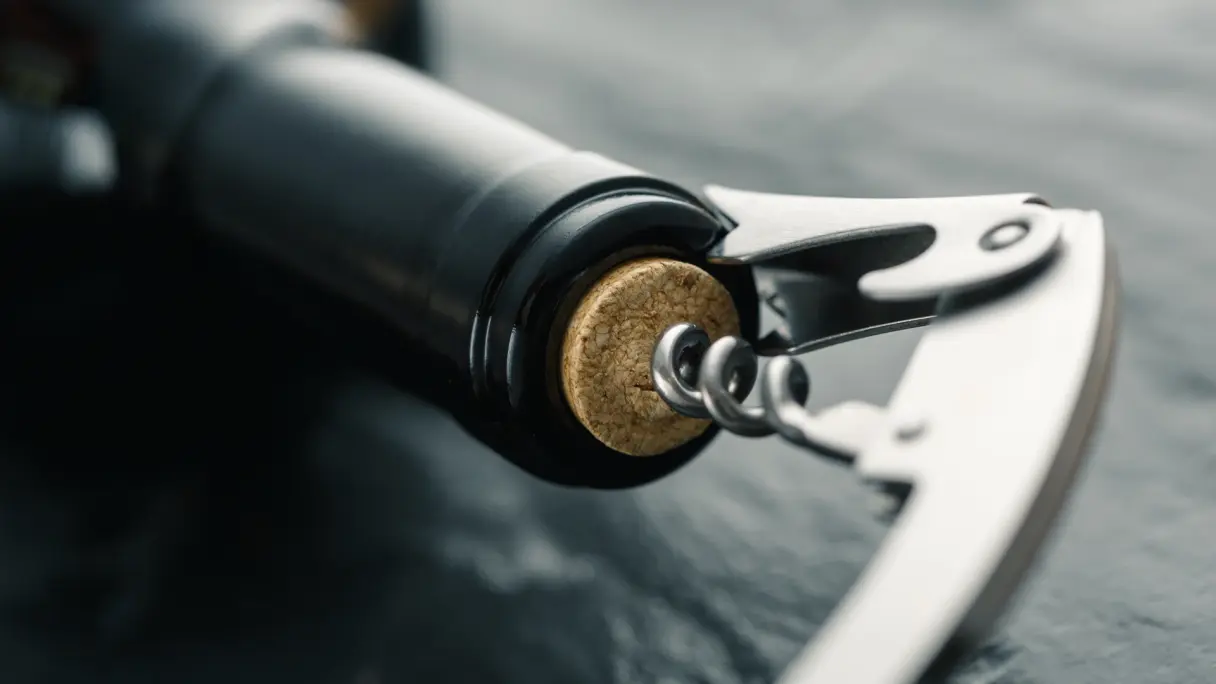
Not long ago, many wine lovers wouldn’t have entertained the idea of enjoying their favourite tipple without the cherished ritual of carefully extracting the cork from the bottle. For a long time, the practical and reliable screw top was relegated to bottles of plonk. But the idea that screw-tops are only used for cheap wines, though widespread, is false. There has long been a range of very high-quality wines on the market that are ‘screwed’ rather than ‘corked’. There is motivation behind this step: not only avoiding the dreaded cork taste, but also the fundamental idea that the wine that pours into the customer’s glass should be the wine that the winemaker created – with no potential changes caused by the bottling process.
The extent to which the screw top has now shed its image as a sign of cheap wine is proven, for example, by the renowned Australian vineyard Penfolds. Its “RWT”, an expensive luxury wine that costs around 100 euro and has become a true cult wine ‘down under’, has been offered with a screw top since 2004, even here in Germany. This makes it the most exclusive wine with a screw top on the German market to date. However, given that people also expect a top wine like this to have an equally fine ageing potential during storage, there is some doubt about whether it’s possible to properly mature the wine with these screw-top bottles.
Can wine age with a screw top?

It is fervently argued that for wine to develop in the bottle there must be a nominal gas exchange, a form of “breathing” through the cork that is not possible with the hermetically sealed screw top. However, this fear has now been disproven multiple times in scientific studies. The renowned Australian Wine Research Institute published a study as early as 2001 that disproved the myth of the negative influence of screw tops on the ability to store wine. Clearly the oxygen present in the top of the bottle and released by the wine itself is more than enough to successfully age the wine.

The author
Frank Kämmer
I have worked for many years in high-end restaurants and during this time became one of the top sommeliers in Europe. In 1996, I achieved the title of Master Sommelier; the highest international qualification in my profession. Today, I primarily work as a consultant in the international wine and gastronomy sector. I have also published numerous books on wines and spirits and was the first German to be accepted into the British Circle of Wine Writers.