
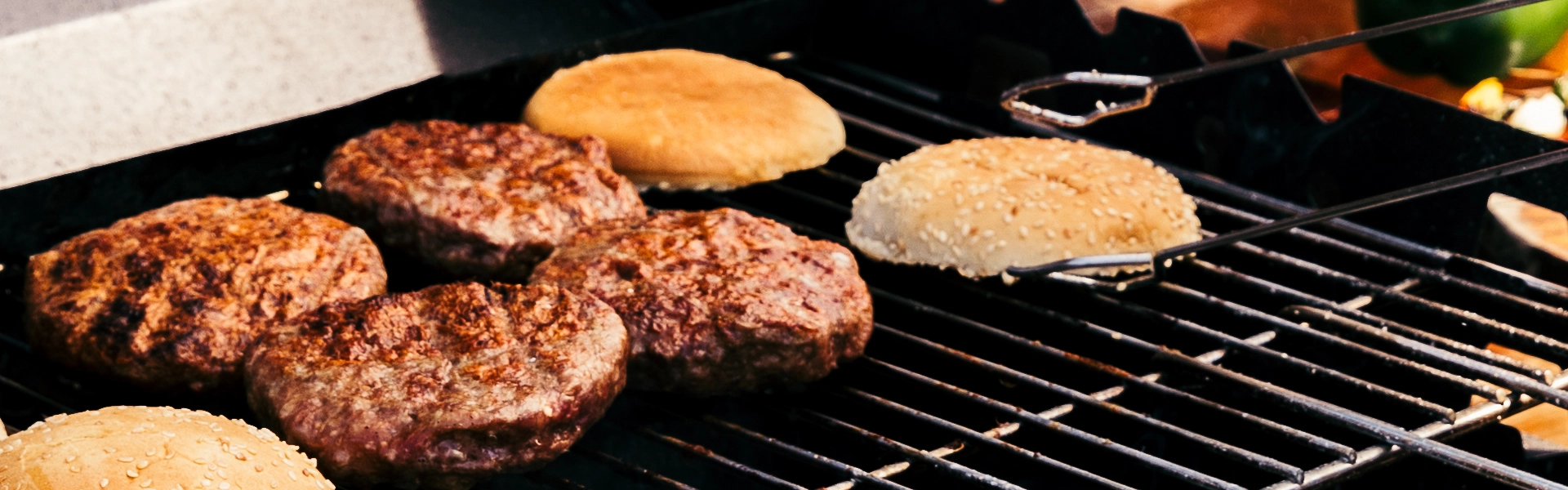
Which barbecue suits me and my taste?
Barbecuing is probably the most popular summer activity for many people. As the temperatures rise, barbecues can be found everywhere – from picnic barbecues through to high-tech appliances. ‘Which barbecue suits me?’ is a question many people ask themselves, when they start thinking about buying their own barbecue at the beginning of summer. Read on to find out how the various types of barbecue differ and which barbecue suits you.
The key points
- Types of barbecues differ significantly: direct and indirect barbecues offer different advantages.
- Personal preferences are decisive: what you like barbecuing, space and frequency all play a role.
- Smoker vs. lava stone barbecue: smoky and slow vs. compact and smoke-free.
- Specialist advice helps with the selection: how to find the barbecue that suits you.
What types are there and which barbecue suits me?
The start of a fine evening’s barbecuing begins with the perfect barbecue. But which barbecue suits me? In general, a distinction is made between direct and indirect barbecuing appliances.
In the case of a direct barbecue, the food to be barbecued is placed straight onto the hot surface. Heat is transferred to the food via heated plates or barbecue grills made of coated aluminium, stone or cast iron. The advantage of a direct barbecue is the very individual temperature setting, which ranges from 50 °C to 380 °C. Even within this type of barbecue, there are several differences in terms of use and price. If you are wondering, ‘Which barbecue suits me?’ you should consider what you want to use the direct barbecue for and how often you intend to use it.
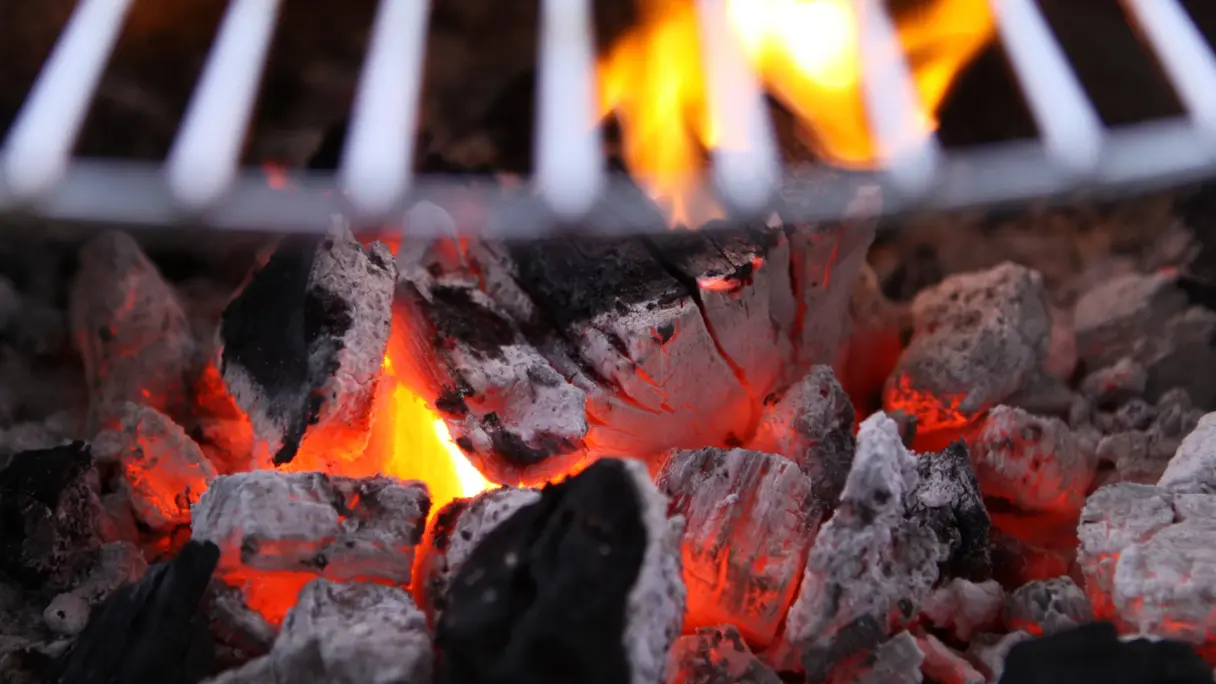
With indirect barbecuing heat is transferred to the food via glowing hot coals, or electric or gas heating elements. As a result of the high temperatures on the surface of the food being barbecued, a seared crust forms quite quickly and many of the flavours become more intense. When barbecuing over charcoal, the smoke created provides those particularly characteristic aromas. In this regard, electric and gas barbecues have an obvious advantage, as they do not produce a lot of smoke and can therefore be of interest to anyone living in a city flat with a small garden or balcony. In answering the question ‘Which barbecue suits me?’, you should not only consider the type of barbecue but also take into account the requirements that your barbecue needs to meet.
Finding the barbecue that suits you
If you are looking for the perfect gas barbecue for yourself, you will need to take your preferred technology and personal taste into account. The following questions will help you answer the question ‘Which barbecue suits me?’:
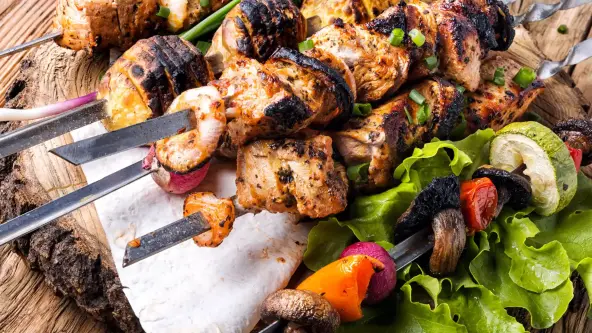
- What is my favourite food to barbecue? Sausages, steak, fish or vegetables? Depending on what you typically put on the barbecue, the choice of the right barbecue can be very different.
- How important is the classic barbecue flavour to me? A charcoal grill gives food that typical smoky flavour. If this is important to you, you should consider this type of barbecue. In contrast, electric and gas barbecues tend to produce less smoke.
- How much space do I have? Compact electric or gas barbecues are more suitable for city flats with balconies than large charcoal barbecues.
- How often do I barbecue? If you plan to use your barbecue frequently, a robust gas barbecue makes sense. A simple model is often sufficient if you only barbecue occasionally.
Considering these issues will get you much closer to answering the question, ‘Which barbecue suits me?’. Your barbecue will then suit your taste, your home and your barbecuing preferences.
The only thing missing for the perfect barbecue is the right food to barbecue. Until you are ready to start barbecuing, store your meat well covered or packed in the BioFresh DrySafe of your Liebherr fridge-freezer. Most meat products will keep for a few days at temperatures of just over 0 °C and with minimal humidity. You can also store your vegetables for the barbecue in your side-by-side fridge with BioFresh technology, where they will stay fresh and crisp for longer.
What actually is the difference between a smoker and a lava stone barbecue?
Amateur barbecue enthusiasts will be familiar with the BBQ smoker. Here, the pieces of meat are cooked in hot smoke. In this case fatty meat is often used, such as spare ribs. A very characteristic smoky aroma is created using this method of cooking. The greatest difference compared to conventional barbecuing is that the meat is slowly cooked instead of being placed over the hot embers. This means the cooking time is significantly longer than with conventional barbecuing. Meat from a smoker is known for being particularly tender.
Another trend is the lava stone barbecue – a form of direct barbecuing in which a lava stone plate is heated by gas or electricity. Unlike a smoker, this type of barbecue is smoke-free, making it ideal for use on the patio or camping site.
This might also interest you
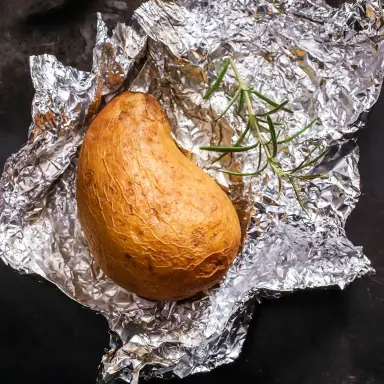
Aluminium foil and food: useful or harmful?
Tips and tricks: when it makes sense to use it, and when it's best to do without. Allow us to explain.
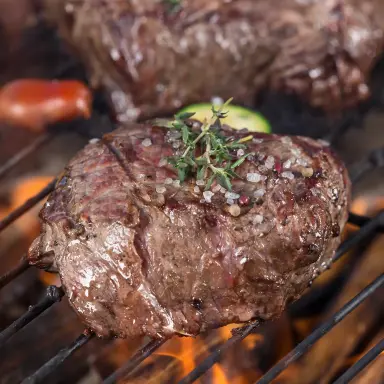
Can you freeze barbecue meat and barbecue it again?
Want to have a barbecue but the meat is still frozen? Read on to find out why defrosting is better and about the ideal way to freeze barbecue meat in advance.
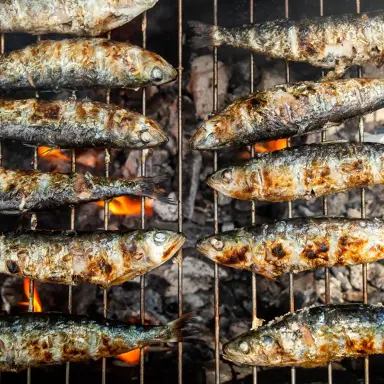
Grilling fish: perfectly cooked without sticking to the grill
Grilling fish made easy: Perfectly cooked, without sticking to the grill and using the right grilling method for full flavour.