
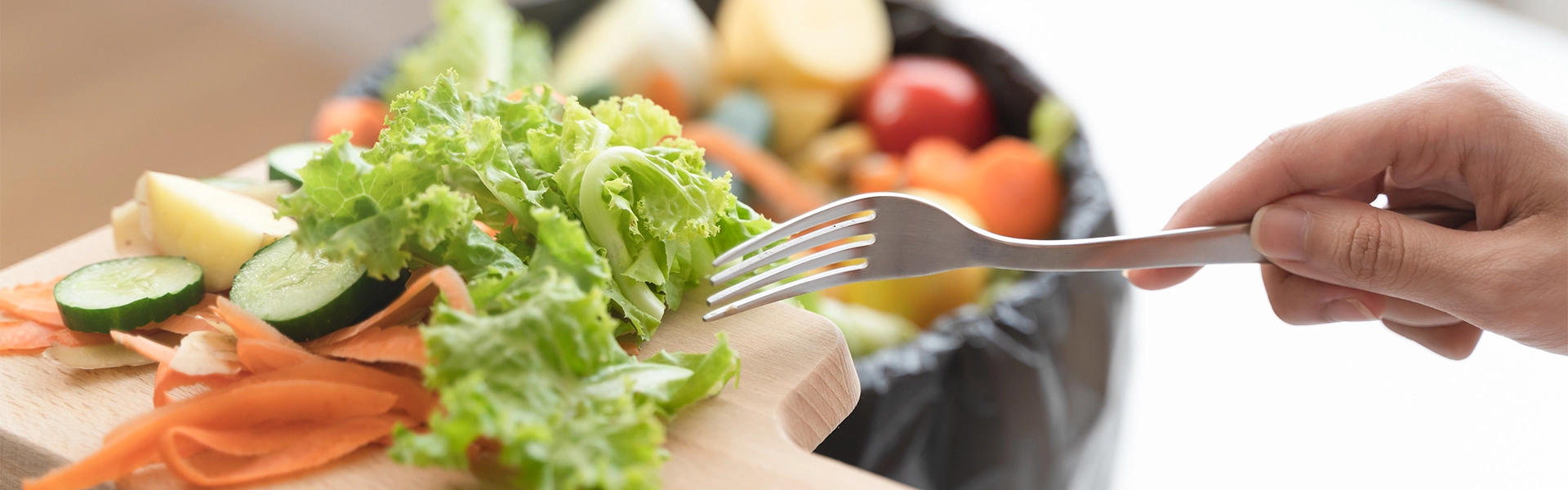
Tips to prevent food waste – too good for the bin!
Every year, around 11 million tonnes of food is wasted in Germany – a third of total production. But food waste can be reduced with simple measures. In this article, you will learn about the most common reasons for food waste and get practical tips on how to conserve resources and save money at the same time.
The key points
- Plan your shopping carefully and choose regional and seasonal foods.
- Store food properly to extend its shelf life.
- Freeze any leftover food.
- Products are often still edible after their best-before date.
- Only cook the amount you need.
- Compost your food scraps.
- Use special apps to reduce food waste.
Avoiding food waste – list of contents
Reasons for food waste
Food waste occurs throughout the entire value chain – from agriculture to retail to households. The causes are varied, but many of them can be avoided:
- Many foods are still edible after the best-before date has expired.
- Large quantities and special offers lead to waste.
- Poor storage and incorrect storage accelerate spoilage.
- Imperfect food is often discarded in shops.
- Crop losses, production residues and transport problems cause waste.
- Low appreciation and convenience lead to food being thrown away.
Many of these causes can be reduced through more conscious behaviour. A more sustainable approach to food not only saves money, but also protects the environment and resources.
Avoiding food waste
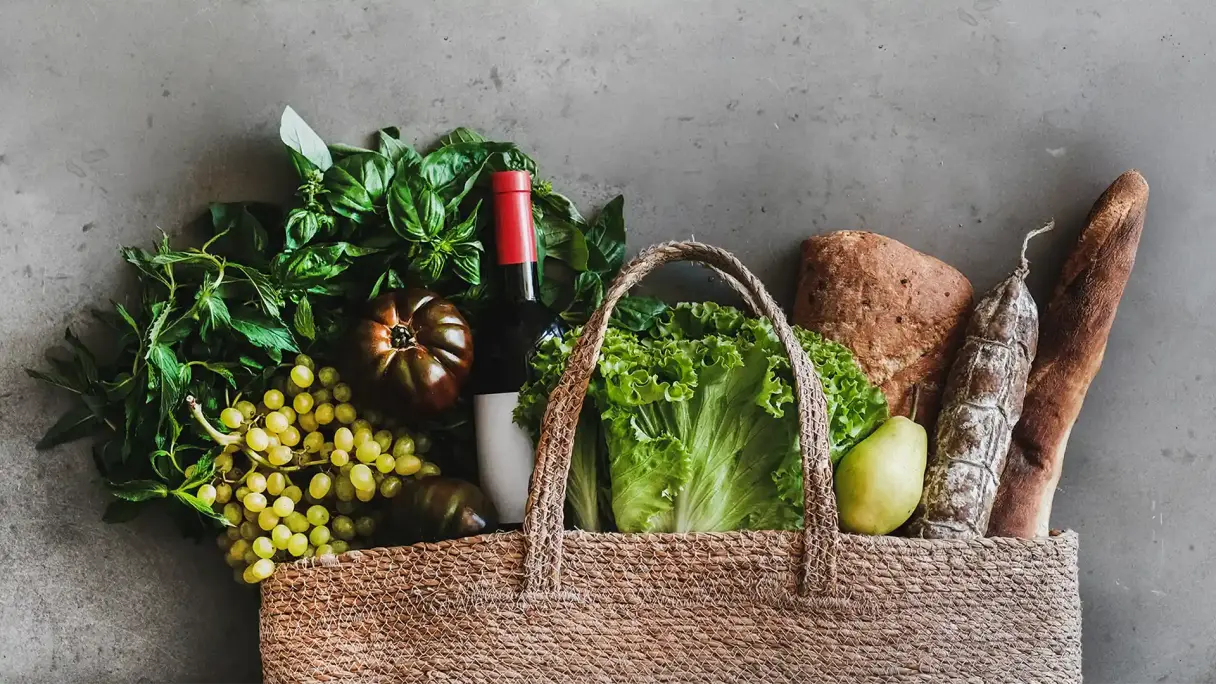
Food waste is a significant problem that not only wastes resources but also contributes to environmental pollution. To avoid this, you should use food consciously and efficiently.
The first step is to plan your food shopping well: write a shopping list based on what you actually need. This way you avoid buying unnecessary items.
Storing food correctly also plays an important role in this. Many foods, such as fruit, vegetables and fresh herbs, keep longer if they are stored correctly in a cool, dry place or in the fridge. The 0 °C compartment, like the BioFresh safe in a Liebherr fridge, can help with this. Further useful information on storage times can be found in the BioFresh storage list.
You can also freeze any leftover food. Many products such as bread, vegetables, fruit and leftovers from cooked meals can be frozen and used later.
Please note the different shelf lives, as “best-before date” and “use-by date” have different meanings. A product can usually still be consumed without any problems after its best-before date, whereas a “use-by date” should be observed.
If you have purchased food that is close to its expiry date, it should be consumed quickly.
It is particularly practical to freeze leftovers in small portions so that they can be used later in the week without having to buy new food.
Simple tips to prevent food waste
Preventing food waste requires not only more conscious shopping, but also a rethink in how we make use of the food we have.
A basic tip is to prepare the right amount when cooking. Portioning food well prevents leftovers from ending up in the bin. If there is any food remaining, get creative and turn these leftovers into new dishes. Soups, sauces and smoothies are a great way to use up leftovers without throwing anything away.
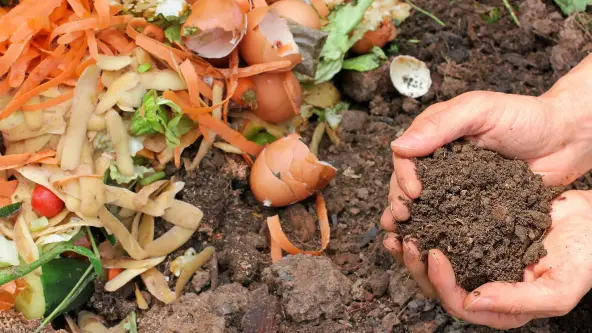
It’s also worth composting food scraps that are no longer usable – they make valuable fertiliser for the garden.
A clever way to avoid food waste is to buy unpackaged products when shopping. This allows you to buy exactly the amount you need.
In addition, it is advisable to choose seasonal and regional products, which are not only fresher and therefore have a longer shelf life, but are also often cheaper.
A particularly practical approach is to use apps that have been specifically developed to reduce food waste. Apps such as “Too Good To Go” allow you to purchase surplus food from restaurants, supermarkets and bakeries at a reduced price. This allows you to save food that would otherwise be thrown away and save money at the same time.
FAQ – tips to prevent food waste
Start by planning your food shopping carefully to avoid unnecessary purchases. Pay attention to the best-before date and store food properly. Leftovers can be creatively incorporated into new dishes or frozen instead of being thrown away. Using apps such as “Too Good To Go” also helps to save surplus food.
Food waste has serious consequences: it harms the environment by unnecessarily wasting resources such as water, energy and land. It also contributes to an increase in CO2 emissions. At the same time, waste leads to an unfair distribution of food, as millions of people around the world suffer from hunger.
Sustainable behaviour requires conscious planning and careful handling of food. Only buy what you really need and store food correctly. Avoid unnecessary packaging and choose seasonal and regional products. Focus on creative ways to use up leftovers and take advantage of options such as freezing excess food.
With good meal planning, you can effectively avoid food waste. Create shopping lists based on your actual needs and avoid impulse purchases. Calculate the correct quantities when cooking and use leftovers in new dishes.
This might also interest you
Five tips for reusing food waste
Food upcycling: we’ll show you how you can turn food that you would otherwise throw away or leftovers into delicious dishes.

Using up pumpkin leftovers – from drying to roasting to freezing
Find out here what you can do with pumpkin seeds and other parts of the pumpkin that are often thrown away.

Egg freshness test: how to check their shelf life
When you look inside your fridge, do you often ask yourself whether your eggs are still good to eat? We’ll show you some really easy egg freshness tests!