
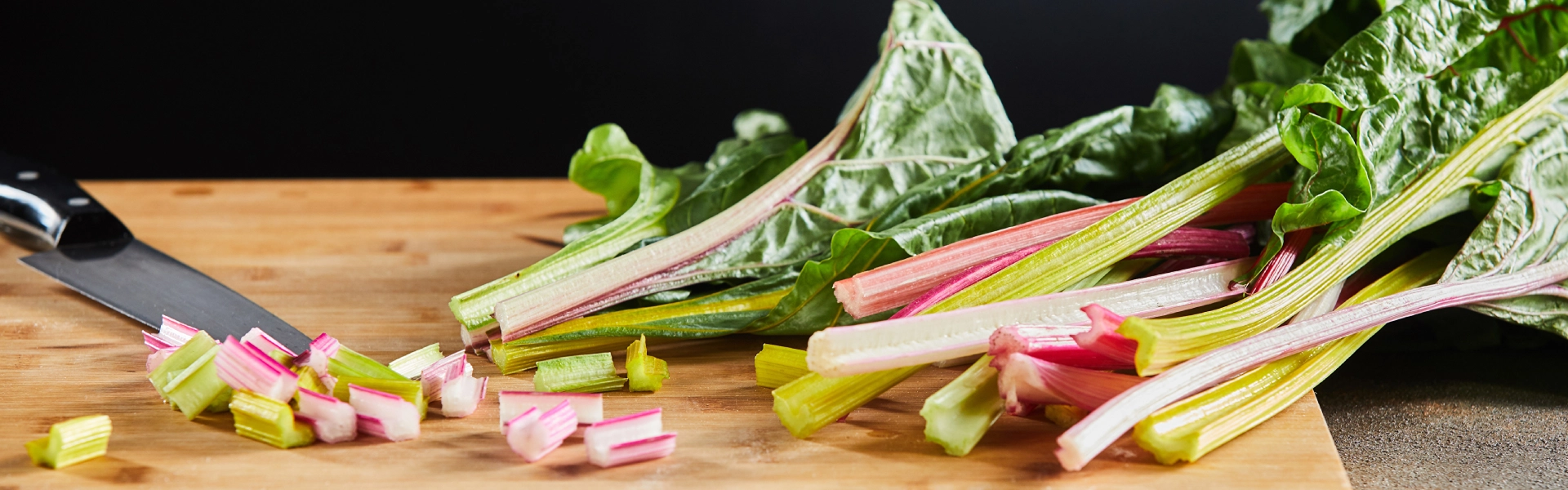
How to freeze chard and keep it fresh for a long time
At harvest time, you can harvest large quantities of chard in a short space of time. So that you can enjoy this summer vegetable for a long time, we recommend freezing your chard. Here are some tips for keeping your chard supplies fresh and crunchy.
The key points
- Chard stays fresh for two days at room temperature.
- You can store chard in the vegetable compartment of your fridge for ten days.
Freezing raw chard:
- Frozen chard can be kept for up to a year.
- Freeze chard early after harvesting when it is still fresh.
- Before freezing, wash the chard and pat dry thoroughly.
- By dividing into portions ahead of time, you can remove the frozen chard from the freezer as required.
Freezing blanched chard
- Blanch the chard before freezing to save space in the freezer.
- Boil the plant briefly in salted water: Leaves for one minute, stems for two to three minutes.
- Pat dry and leave to cool before freezing the chard.
How to store chard correctly
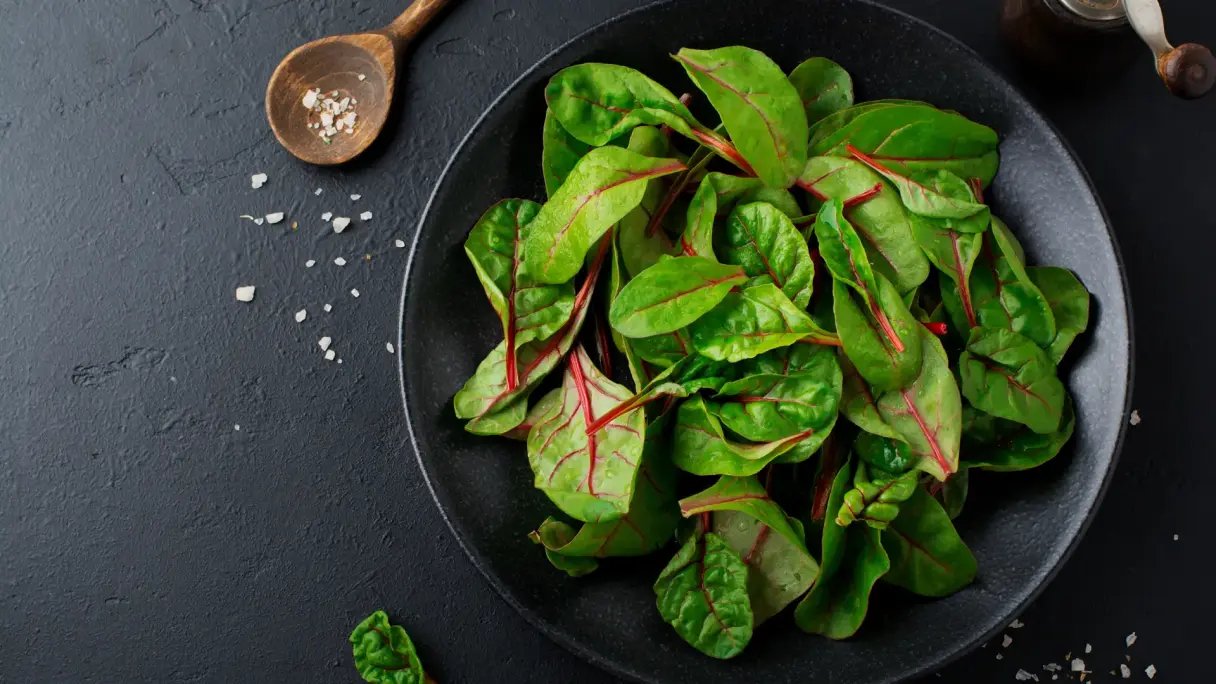
It is advisable to think about storage early on, as chard wilts quickly after harvesting. It is best to freeze any chard that you do not want to use in the near future.
Chard only stays fresh for around two days at room temperature. You should therefore consume it quickly after harvesting.
Stored in the fridge, chard stays fresh and crunchy for several days. You can store chard in the fridge for up to ten days. This gives you more time to try out great recipes. You can enjoy chard in salads or in a variety of stir-fries, for example.
How to freeze raw chard
If you harvest large quantities of chard, it is likely that you will not be able to consume the tasty vegetable as quickly as it loses its freshness. We therefore recommend storing it in the freezer compartment. Chard can be kept there for up to a year.
To do this, divide the quantity harvested right at the beginning. You can store some in the fridge for early consumption. Freeze the rest soon after harvesting when the chard is still fresh and crunchy.
It's so easy to freeze chard. Wash the leaves thoroughly under running water and then pat them dry with a kitchen towel. This keeps the leaves of the chard fresh and makes them less mushy when defrosting. Otherwise, any residual moisture in the chest freezer may induce the formation of ice crystals, thereby destroying the plant cells.
Next, cut off the dried stem ends of the chard leaves. Finally, simply divide into portions and store in a freezer-safe container in the chest freezer. You can use whole leaves, cut the chard into coarse strips or even chop it into small pieces. For example, you can later prepare pesto or various sauces from the frozen leaves.
Freezing chard raw allows you to save a few steps. However, once defrosted, the summer vegetable can take on a consistency that is more like that of creamed spinach. The chard still tastes excellent. You should only cook appropriate recipes in which the vegetables can be softer.
Freezing prepared chard
In addition to raw chard leaves, you can also freeze prepared chard. This saves you valuable space in the freezer compartment.
The easiest way to do this is to blanch the chard briefly in salted water. To do this, first wash the plant and then separate the stems and leaves. Boil the stems for two to three minutes, the leaves only briefly for about one minute. Then rinse the stems and leaves in a bowl of ice-cold water. Advantage of blanching: By inactivating all enzymes, valuable ingredients such as vitamins are preserved for longer, even when frozen.
You should also pat the blanched chard dry before freezing. When it has cooled completely, you can portion and freeze it as described above.
This might also interest you
Chard: what are the nutritional values of this colourful vegetable?
Fact or fiction: reheat spinach – just don't do it!
Reheating spinach is said to be poisonous, but what is the truth behind this myth? We clarify whether spinach is poisonous after reheating or whether it is still edible.
Freezing asparagus and boiling frozen asparagus
Would you like to freeze asparagus or boil frozen asparagus after defrosting? Find out now what you need to bear in mind.