
Clean baking – natural indulgence with a clear conscience
Clean baking means natural baking. The central concept of clean baking is baking with only natural, unprocessed ingredients. But what options do you have if wheat flour, refined sugar and hydrogenated fats are ruled out? And is this alternative really healthier? We will reveal which ingredients are best suited for more natural savoury or sweet baked goods and what you need to bear in mind.
The key points
- Natural and unprocessed: clean baking relies on ingredients such as wholemeal flour, nuts and natural sweeteners instead of refined sugar and wheat flour.
- Alternative ingredients: butter and margarine are replaced by vegetable oils or nut pastes, and eggs can be replaced by chia seeds, banana or apple sauce.
- Healthier nutrient composition: higher fibre content and valuable ingredients, such as vitamins and minerals, promote digestion and well-being.
- Greater control over ingredients: without artificial additives and flavour enhancers, individual preferences and intolerances can be taken into account.
Clean baking – baking with unprocessed foods
Clean baking is a trend from the USA inspired by the concept of clean eating. The idea is based on using unprocessed and natural foods as much as possible. Clean eating and clean baking means cutting out industrially produced ready meals, such as those from the freezer, as well as preservatives and flavour enhancers from your diet.
You have probably already guessed that familiar ingredients such as white wheat flour, refined sugar, butter and margarine have been removed from the list of ingredients. However, even raising agents, such as baking powder, and binding agents, such as eggs and milk chocolate, are excluded. Special vegan ingredients, such as industrially produced egg substitutes, are also excluded. The art of clean baking lies in finding alternatives that are able to mimic the taste and consistency of the excluded ingredients. Clean baking has more to offer than you might think, despite all the restrictions!
What is permitted when baking with natural foods?
The plain white flour most commonly found in shops is so thoroughly milled that all the fibre and minerals from the germ and bran are lost. Other grades of flour are available which are less intensively milled and contain more beneficial ingredients. It is best to use wholemeal flour, as it still contains all the nutrients. Quinoa and amaranth flour, as well as oat flour, are also suitable for the clean baking trend.
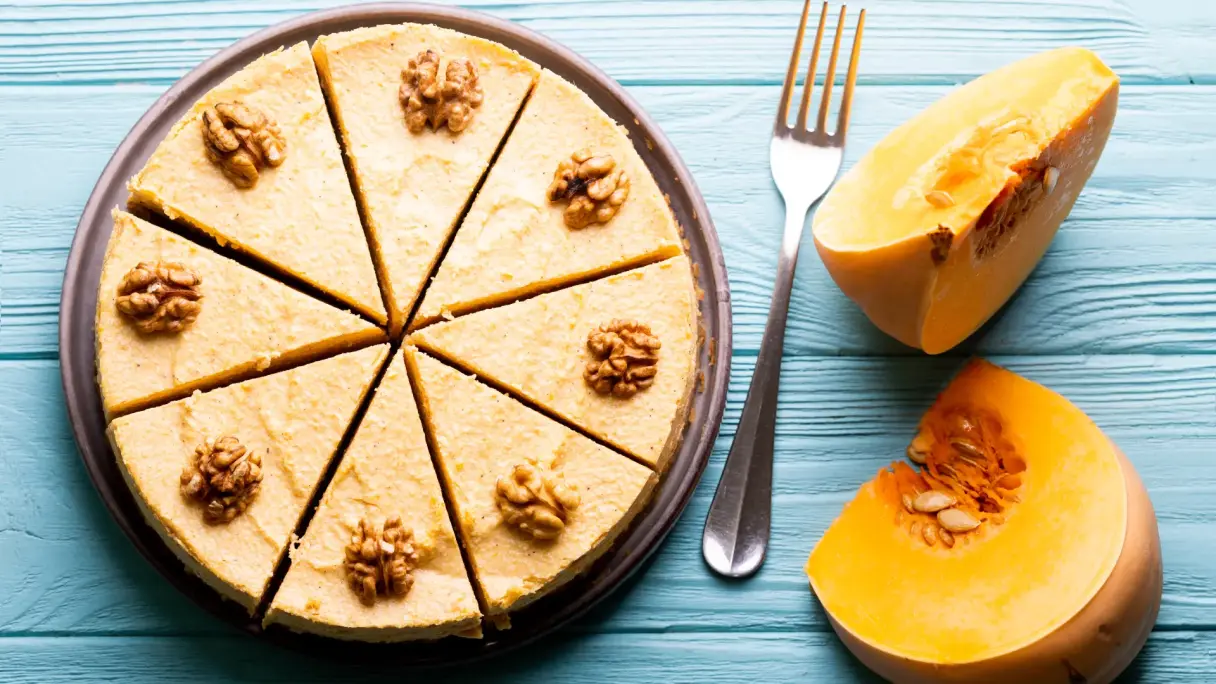
Consider baking with legumes – white beans or chickpeas can be used as a natural base ingredient and can be stored dried or in the fridge. Vegetables can also be used in a variety of ways when baking without industrial ingredients. Sweet potatoes or courgettes are wonderful ingredients for baking natural bread. Similarly, pumpkin and carrots can be used for baking sweet cakes and biscuits. You need to use natural alternatives when clean baking to make your baked treats light and fluffy. Cream of tartar and baking soda are natural baking powders and do not require any industrial additives.
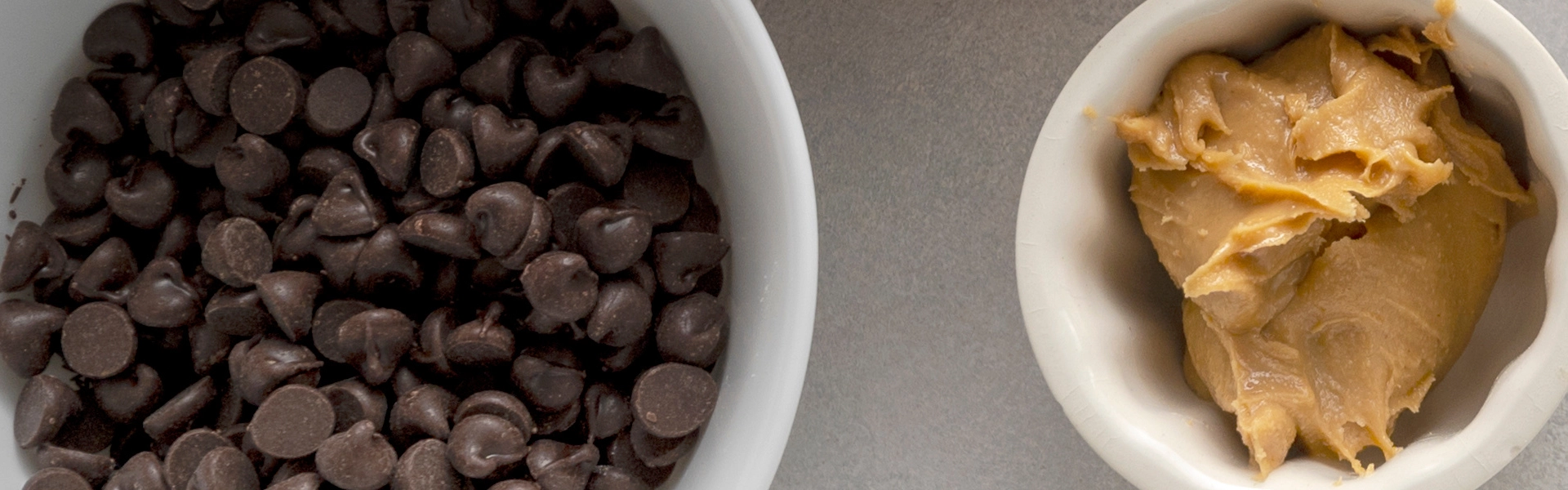
Use vegetable fats and oils and natural sweeteners, such as fruit, as a substitute for butter and sugar. Nut pastes are also an appropriate fat component in accordance with the concept of clean baking. Eggs can be replaced with pre-soaked chia seeds, mashed banana or apple sauce. Just give it a try!
Is clean baking healthier than “normal” baking?
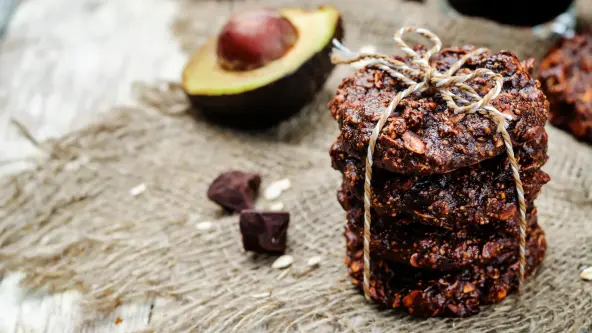
And now for the all-important question: is clean baking worththe effort and the shift in thinking? From a nutritional point of view, baked treats that adhere to the principles of clean baking are definitely healthier. In addition to higher fibre content due to the potential use of wholemeal flour, vegetables, legumes and nuts, these baked treats also improvedigestion and are good for your health. A lot depends on the amount of sugar added. Although clean baking does not use refined sugar, the natural sugar in fruit and dried fruit also increases blood sugar levels. Nevertheless, these variants contain far more healthy ingredients, such as vitamins, minerals and fibre, than refined sugar. The use of vegetable oils can also have a positive effect, as they contain unsaturated fatty acids.
Another advantage of clean baking is that you have individual control over the ingredients used. By baking consciously, you can avoid allergens, determine the amount of sweetness yourself and avoid artificial additives. Spices, such as cinnamon and vanilla, can also be used to add natural flavours that intensify the taste without requiring any additional sugar. Explore the clean baking trend by trying out the ingredients that appeal to you the most!
This might also interest you

Vegan fridge cake – no-bake joy
A vegan fridge cake is the perfect opportunity for a new flavour experience that you can conjure up without the need for an oven.
How to store yeast dough in the fridge and allow it to rise
Find out how to store yeast dough in the fridge and what you should bear in mind when doing so. Read on to find out.
Superfood list for the summer – our top 10
Find out what’s behind the fruits and seeds on the superfood list. Are they really that healthy? Everything you need to know about local and regional alternatives.