Olives: nutritional values, vitamins and nutrients of the oil fruit
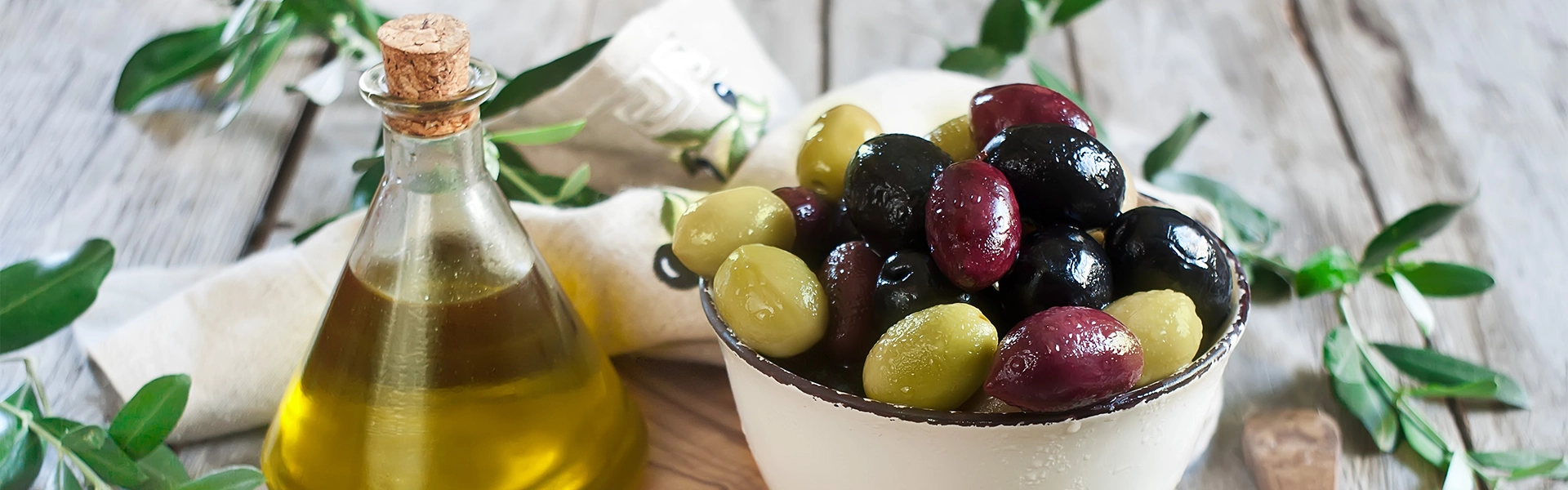
Olives are an integral part of Mediterranean cuisine – but do you actually know what these little fruits contain? Whether green or black, pickled or plain: olives divide opinion when it comes to taste – but their nutritional values are impressive. We take a look at their nutrients, clarify the difference between green and black olives, and reveal just how healthy olives really are.
Storage time*
| BioFresh safe just above 0 °C with regulated humidity | Not recommended |
| EasyFresh safe 7 °C with air regulation plate | 40 days |
| Fridge compartment 7 °C | 32 days |
| Freezer compartment -18 °C | not recommended |
The key points
- Healthy fats: olives contain monounsaturated fatty acids such as oleic acid, which can support heart and circulatory health.
- Rich in nutrients: vitamin E, polyphenols, calcium and iron make olives a valuable source of nutrients.
- Green or black: green olives are unripe, black olives are ripe – but black olives are often artificially ripened with iron salts.
- Easy to store: table olives stay fresh in the fridge for up to 32 days, and in the Easy-Fresh safe for up to 40 days.
Olive – list of contents
What nutrients do olives contain?
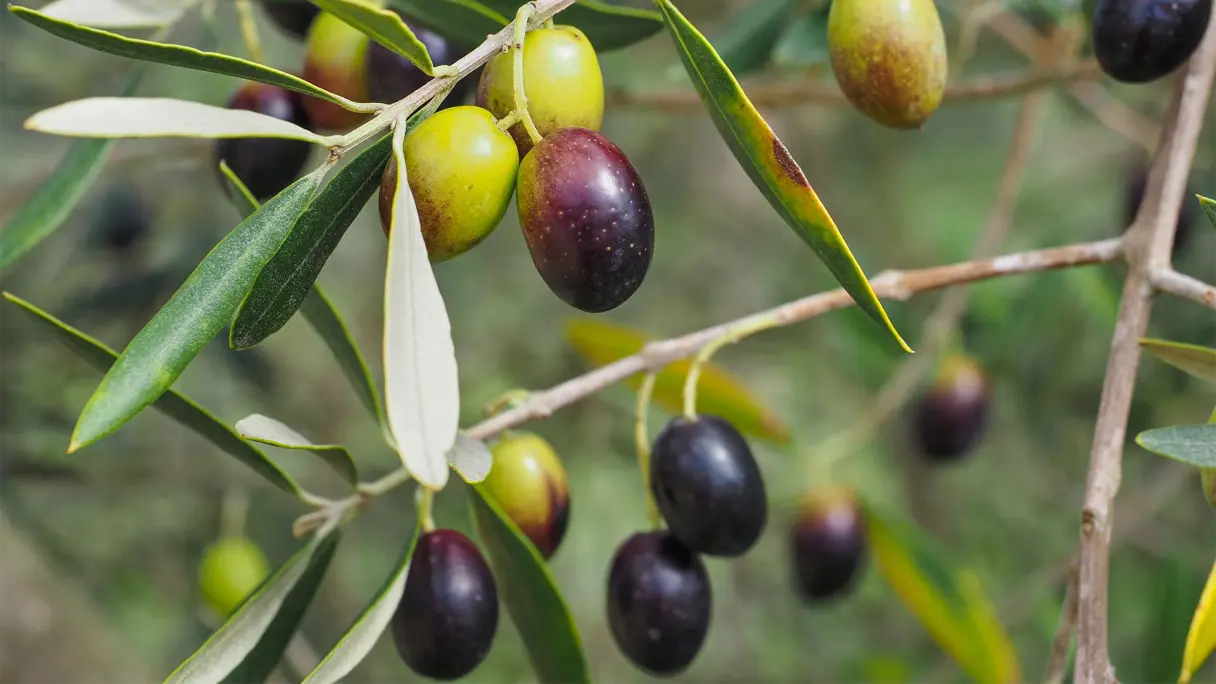
Olives are packed with nutrients: they contain monounsaturated fatty acids, which can have a positive effect on the heart and circulation. Particularly noteworthy is its vitamin E content, which provides cell protection as an antioxidant. Olives also contain secondary plant compounds such as polyphenols. Table olives also provide minerals such as iron, calcium and sodium. Although they are high in calories (around 120–150 kcal per 100 g), when eaten in moderation they form a valuable part of a balanced diet.
With olive trees, the question arises as to what colour the olives will be. Will they be green, black or purple olives? The answer to this riddle is quite simple. Green olives are harvested when they are not fully ripe. The longer the olives ripen, the more their colour changes from purple to black. In terms of taste, green olives are very fruity, while black olives are more aromatic. Black olives do contain more fat (approx. 45 g fat per 100 g), but this is unsaturated fat.
However, be careful with black olives. Their colour is often enhanced with a little help. The industry uses a simple trick here, colouring green olives with iron salts. In most cases, pitted black olives were treated. When purchasing, check the label – it must say “blackened”.

How healthy are olives?
Olives have been considered an integral part of a healthy diet for centuries – and with good reason. The monounsaturated fatty acids they contain, especially oleic acid, can help regulate cholesterol levels and strengthen the cardiovascular system. Olives also contain antioxidant plant compounds such as polyphenols, which have anti-inflammatory properties and can support cell protection. Vitamin E can protect the body’s cells from free radicals, while minerals such as calcium and iron perform important functions in the body. Digestion also benefits from the high fibre content of ripe olives.
Table olives can be stored in the normal fridge compartment for up to 32 days. Olives can even be stored for up to 40 daysin the EasyFresh safe in your Liebherr fridge. This means you can enjoy these little oil-rich fruits as a snack throughout the week and benefit from their excellent nutritional values.
*All specifications given are to be considered as guideline values, and depend in each case on the type of food and on the proper storage without interruption of the cold chain from harvest/production through to the Liebherr appliance. Should food products have information about minimum shelf life, the date on the packaging always applies.