Mandarin: vitamins and nutritional values of the citrus fruit
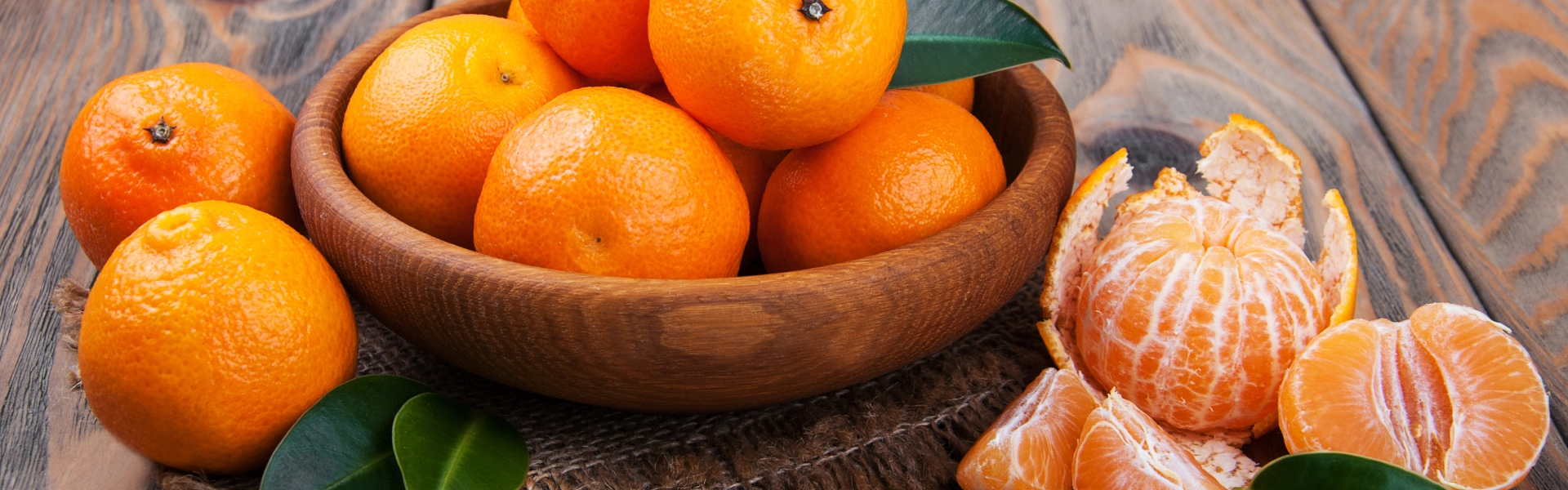
Unmistakable! Surely everybody must be familiar with the typical smell of these orange coloured fruits? It’s always obvious when somebody nearby has peeled a mandarin. We all learnt as children that mandarins contain a lot of vitamins. But if you read on you’ll discover exactly what this treat contains and how the citrus fruit benefits your health.
Storage time*
| EasyFresh safe 7 °C with air regulation plate | 25 days |
| Fridge compartment 7 °C | 20 days |
| Freezer compartment -18 °C | 3 months |
The key points
- Rich in vitamins: mandarins contain a lot of vitamin C and minerals such as potassium, calcium and magnesium.
- Light and balanced: around 40 calories of energy, a high water content and dietary fibre make them the ideal snack.
- You can eat the pith: you don’t need to remove the white bit; it’s a part of the fruit structure.
What vitamins and nutrients are found in mandarins?
Mandarins are particularly rich in vitamin C, which can boost your immune system. Mandarins also contain minerals such as potassium, calcium and magnesium.
The fructose content makes it naturally sweet and the water content is very high at about 85 %. A medium-sized mandarin has around 40 calories of energy and contains very little fat or protein. Their balanced mix of carbohydrates, dietary fibre and liquid makes them a popular part of a balanced diet.
Mandarins are particularly easy to digest and are ideal for a daily fruit snack. The fruit contains valuable dietary fibre, primarily in the fruit segments and the pith. This fibre offers health benefits while making you feel pleasantly full.
Their handy size and the fact that they are easy to peel make mandarins an amazing snack for on the go or between meals. Their balanced nutrition profile is a light and refreshing way to finish off a meal.
Where do mandarins come from – and what makes them different to clementines?
The mandarin comes from south-east China originally. They have both their colour to thank for their name as well as the imperial period in China during which the uniform worn by the senior officials, so-called mandarins, also had this colour. However, today the name often causes confusion as very similar fruits are sold as clementines but are still referred to as mandarins. What’s behind this?
“Mandarin” is both the name of the original form citrus reticulata as well as a collective name for different species and for cultivated forms of these. The clementine for example originated from cross-breeding the original mandarin with a bitter orange. Oranges and lemons are also related to the mandarin species. They are all part of the citrus family.
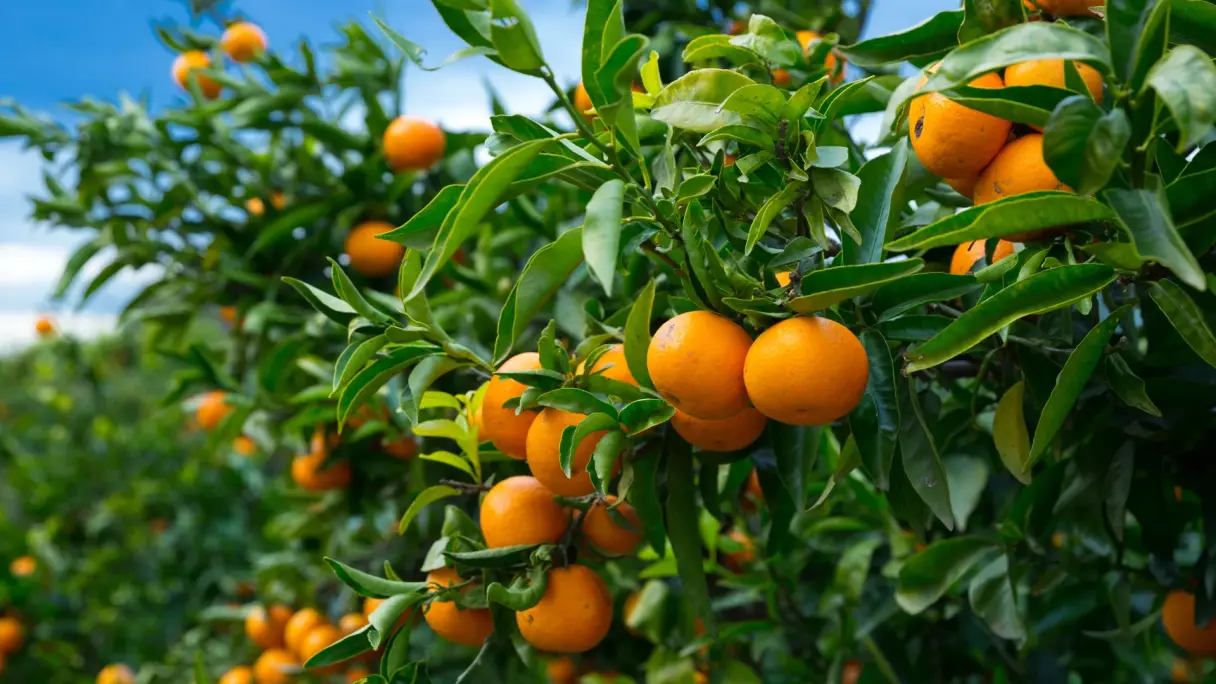
Is the white pith in mandarins healthy?
We’ve all been there, haven’t we? The white bit between the skin and the fruit of a mandarin is called the mesocarp or pith. It’s the middle of the three layers of a citrus fruit. The pith is spongey, consists mainly of water, cellulose and starch, and makes up a large part of the skin. It is edible so you don’t need to remove it – even if it looks a bit unappetising at first glance. Leaving it on saves you work.
The pith is a natural part of the fruit and, like the segments and the skin, is a part of the complex structure of citrus fruits. The large amount of dietary fibre it contains means you should always eat the pith if possible to benefit from all the nutrients the mandarin has to offer.
How do you properly store mandarins?
Since mandarins are frequently sold in large quantities in nets or baskets, the ability to provide proper storage is important. Cool, but not cold conditions are best. Mandarins will keep in a fridge for around 20 days. In the EasyFresh safe of your Liebherr fridge they stay fresh for up to 25 days. The long storage time makes mandarins an amazing vitamin kick between meals!
*All specifications given are to be considered as guideline values, and depend in each case on the type of food and on the proper storage without interruption of the cold chain from harvest/production through to the Liebherr appliance. Should food products have information about minimum shelf life, the date on the packaging always applies.