Lemon balm: effect and content of the popular medicinal herb
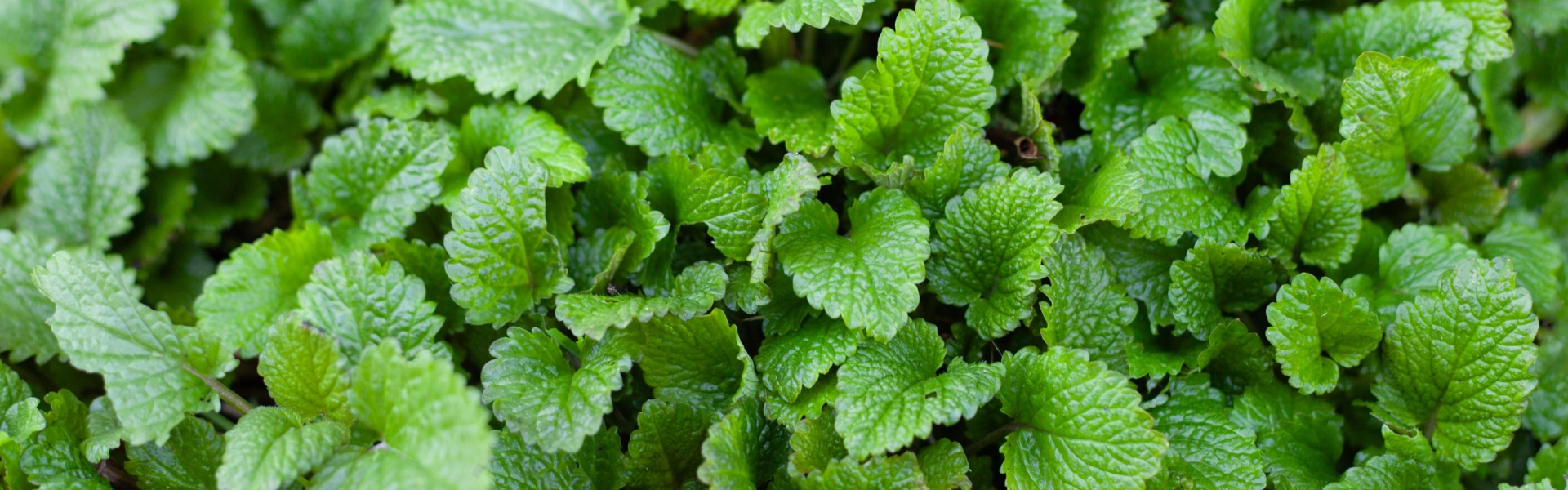
Whether it’s used to season salads, sauces, jams and beverages or as a classy garnish for all manner of desserts, Lemon balm is popular because of its effect and lemony taste, but it is also a real eye-catcher. Lemon balm is one of the most popular medicinal herbs! Below, you can find out what lemon balm can be used for and what nutrients the herb contains.
Storage time*
| BioFresh Fruit & Vegetable safe just above 0 °C with high humidity | 10 days |
| EasyFresh safe 7 °C with air regulation plate | 6 days |
| Fridge compartment 7 °C | 3 days |
| Freezer compartment -18 °C | 12 months |
The key points
- A medicinal plant with a history: it is used to alleviate sleep disorders, inner restlessness, digestive problems and colds.
- The effect of its ingredients: essential oils such as citral, citronellal and linalool have calming and anti-inflammatory properties.
- Rich in nutrients: the fresh leaves contain vitamin C, iron, potassium and magnesium, among other things.
- Versatile applications: it can be used as tea, a bath additive or for cooking.
Lemon balm: origin, nutrients and vitamins
Lemon balm originally comes from the eastern Mediterranean region, however it is now cultivated in all of the warmer areas of Europe. It goes by various names such as melissa, bee balm, common balm or sweet balm, but in each case refers to the herbaceous culinary and medicinal plant which grows up to one metre in height and belongs to the mint family. Lemon balm can still frequently be found in monastery gardens. The yellowish-white flowers are regarded as a real magnet for bees, making cultivation near beehives extremely popular.
Lemon balm contains numerous valuable ingredients that make it a sought-after plant in cooking and naturopathy. Of particular importance are the essential oils such as citral, citronellal and linalool, which give the herb its fresh, lemony flavour. It is also rich in secondary plant substances such as flavonoids, which have antioxidant properties. The nutritional value of lemon balm is also impressive: Fresh lemon balm contains approximately 44 kilocalories per 100 grams, around 3 grams of protein, 0.8 grams of fat and 8 grams of carbohydrates, most of which is fibre. It is also a source of vitamin C and minerals, such as calcium, potassium, magnesium and iron, which support important functions of the body – including those of the muscles, nerves and blood formation.
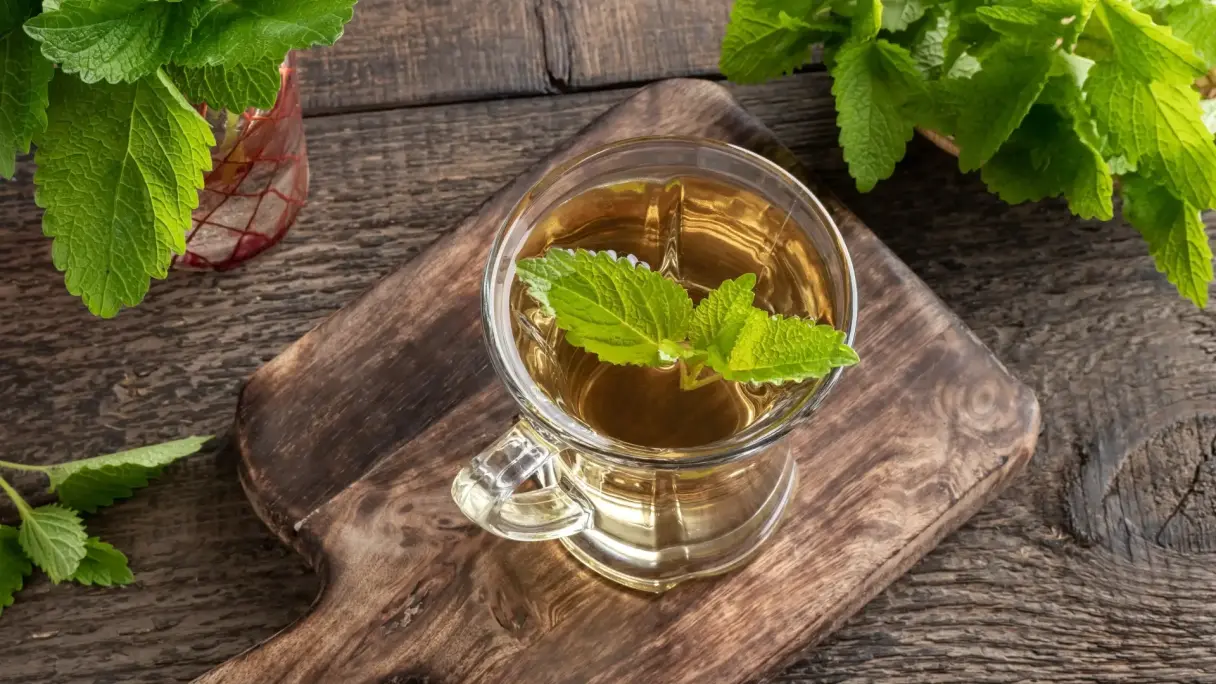
How healthy is lemon balm? – The effect of the herb
Lemon balm has been used as a medicinal herb for over 2,000 years. Back in the ancient times and still today the fruity herb is most often used for problems such as sleep disorders, anxiety and tension. However, lemon balm can also be used as a remedy for gastrointestinal problems, coughs and sneezes and inflammation. Its positive effects of lemon balm are due to the large number of essential oils it contains, in particular citral, geranial, neral and citronellal. The tannins and bitter compounds such as rosmarinic and caffeic acid also have an important role to play.
To enjoy the benefits of lemon balm for as long as possible, it is important that you store it correctly. Lemon balm will generally keep for three days in a standard fridge compartment in the fridge. However, in a Liebherr BioFresh Fruit & Vegetable safe, it can stay fresh for up to ten days. This provides optimal temperatures of just above 0 °C and high humidity, which is ideal for herbs, vegetables and fruit. The herb keeps longest in a freezer: frozen lemon balm can be used for up to a year. Enjoy the lemony taste and the benefits of lemon balm all year round.
*All specifications given are to be considered as guideline values, and depend in each case on the type of foodstuffs and on the proper storage without interruption of the cold chain from harvest/production through to the Liebherr appliance. Should food products have information about minimum shelf life, the date on the packaging always applies.