
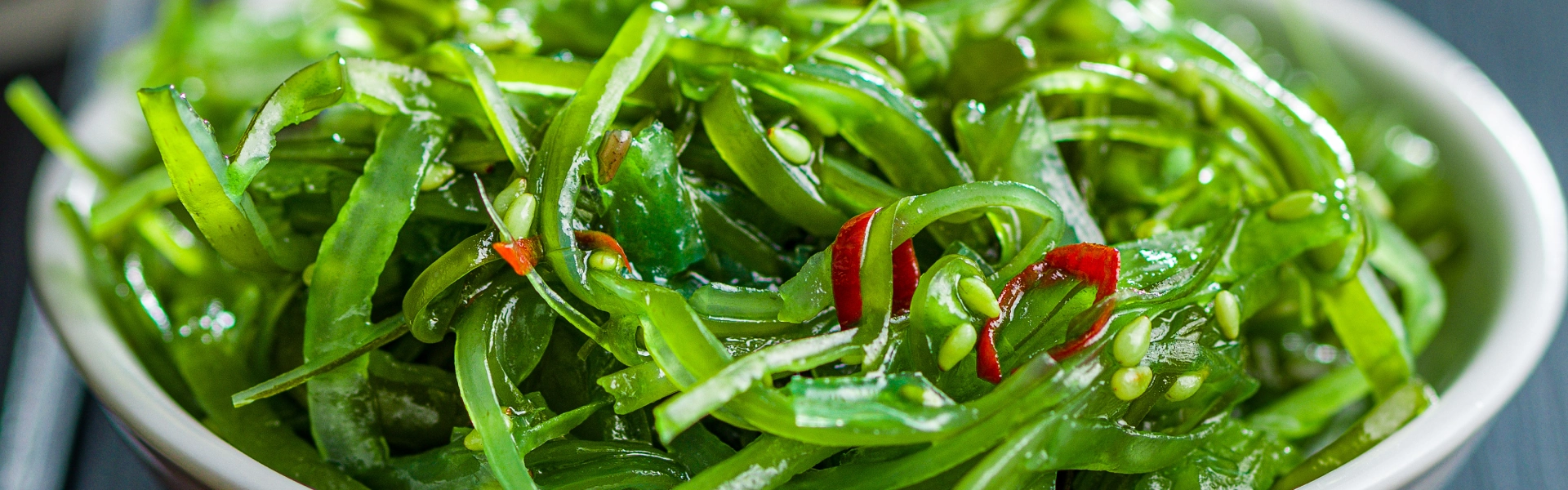
Edible seaweed – a nutritional miracle from the ocean?
A food that grows rapidly, does not require any agricultural land, and contains lots of nutrients and vitamins? Sounds very impressive! This is exactly what edible edible seaweed has to offer. Used in Asian cuisine for centuries, just how healthy is algae? We will explore all of these exciting questions about nori, wakame and chlorella in the following article.
The key points
- Nutritious and versatile: edible seaweed provides beta-carotene, vitamins C, E and B12, as well as minerals such as iodine, iron and zinc – ideal for a nutrient-rich diet.
- Exercise caution with iodine: the very high levels of iodine contained in some algae can be problematic, especially for people with thyroid disorders.
- Vegan diet: algae such as nori and chlorella contain vitamin B12, however, it is uncertain to what extent the body can effectively utilise these sources. If you follow a vegan diet, you should supplement your diet.
- Versatile preparation: algae are usually sold dried or pickled; they are suitable for sushi, soups or salads and can be stored for a long time.
Algae and their nutrients – list of contents
Edible algae – nutrients, vitamins and more
Algae is a generic term – similar to fruit or vegetables – and includes about 120,000 different species of algae, from the microscopic to the metre-long. A distinction is made between microalgae and macroalgae. The algae that we are familiar with from sushi and miso soup are macroalgae and can grow to 60 meters in length. They mainly come from open ponds or from aquacultures in Japan, China or even Norway and France. In addition, there are the algae species that we are more familiar with from food supplements, such as spirulina or chlorella. These belong to the group of microalgae and are barely visible to the naked eye. This edible seaweed is mainly found in fresh water. Algae can also be divided into brown, red and green algae, according to their colour. But what nutrients does this healthy vegetable from the sea really have to offer?
That algae are rich in beta-carotene, vitamin C, E and B12 as well as various minerals such as zinc, iron, selenium, potassium, and above all iodine. They also contain high-quality protein, lots of fibre and little fat. But take care: the nutritional value of the algae varies from species to species and even within them. External aspects such as environmental conditions, water quality, harvesting time and preservation methods also play a significant role. In addition, the consumption of algae in large quantities is risky. This is due, in part, to the iodine it contains, which can be particularly high in dried seaweed. So, consuming just 10 grams of this algae can be dangerous. Caution is advised, especially for people with thyroid disorders! It’s advisable to only consume algae that is labelled with precise iodine information. Algae can also be contaminated with heavy metals.
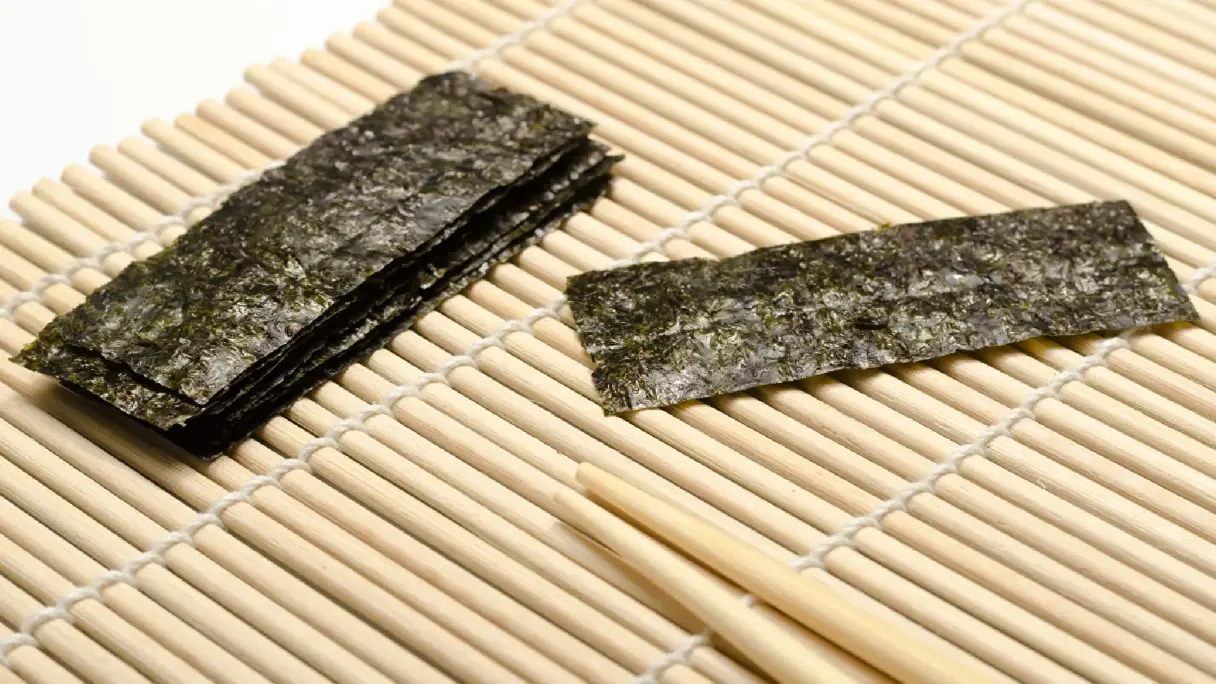
A welcome addition to a vegan diet: edible algae
The vitamin B12 contained in macroalgae and microalgae is particularly interesting for a vegan diet, as vitamin B12 is otherwise only found in animal products. The consumption of edible seaweed would be a welcome alternative then – wouldn’t it? Unfortunately, it is still unclear whether vitamin B12, which is mainly found in the red algae nori and the green algae chlorella, can actually be absorbed by the human body. You should therefore still take vitamin B12 supplements when following a vegan diet.
There are a few things to bear in mind when preparing and cooking seaweed. Many of the dried seaweeds, such as wakame, must first be soaked in water before use. This water should then be tipped away as the algae already discards a small amount of the iodine. Afterwards, squeeze the edible algae well and it can then be used to refine miso soups, noodles, sauces or used as a salad. With the red algae nori, however, soaking is unnecessary. This edible seaweed is used directly for wrapping sushi. You can then store this in your fridge for one to two days.
Today, extremely diverse types of algae have also found their way into European cuisine. It is particularly common to see dried or pickled algae. It is rare to find fresh seaweed at the fish counter or in supermarket chest coolers and freezers. Algae are more commonly found as preparations.
This might also interest you
Superfood list for the summer – our top 10
Find out what’s behind the fruits and seeds on the superfood list. Are they really that healthy? Everything you need to know about local and regional alternatives.
Tofu shelf life: How to store tofu correctly for maximum freshness
A marinated tofu block is placed on a board. Two tofu slices and a knife are placed next to it.
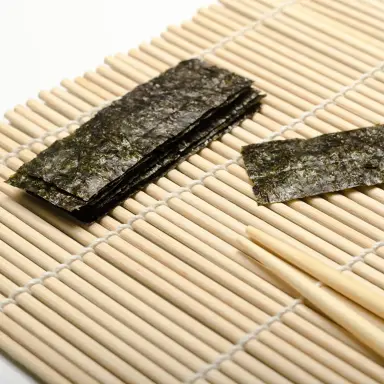
Nori seaweed – delicious to prepare and easy to store
Practical tips for preparing savoury nori seaweed and helpful information for optimal storage!