Cinnamon tree and cinnamon: origin, flavour and preparation
The scent is unmistakeable and incomparable: cinnamon. Cinnamon sticks usually originate from Asia and add a special ambience to any kitchen. But not all cinnamon is the same: a distinction is made between different species of the cinnamon tree of the Cinnamomum genus. Cinnamon sticks or ground cinnamon powder are produced from the bark of the cinnamon tree. In this article, we’ll tell you the story behind cinnamon and all the different ways it can be used in the kitchen.
The key points
- Origin: cinnamon comes from the inner bark of cinnamon trees of the Cinnamomum genus, mainly from Asia.
- Varieties: there are two main varieties – aromatic Ceylon cinnamon (high-quality) and strong Cassia cinnamon (cheaper, but contains coumarin).
- Use: cinnamon spices up both sweet and savoury dishes. It’s particularly popular in Asian and Oriental cuisine.
- Health: cinnamon promotes digestion, lifts your mood and has an antibacterial effect – please use Cassia cinnamon sparingly because of the coumarin.
From the cinnamon tree to the spice aisle: where does cinnamon come from?
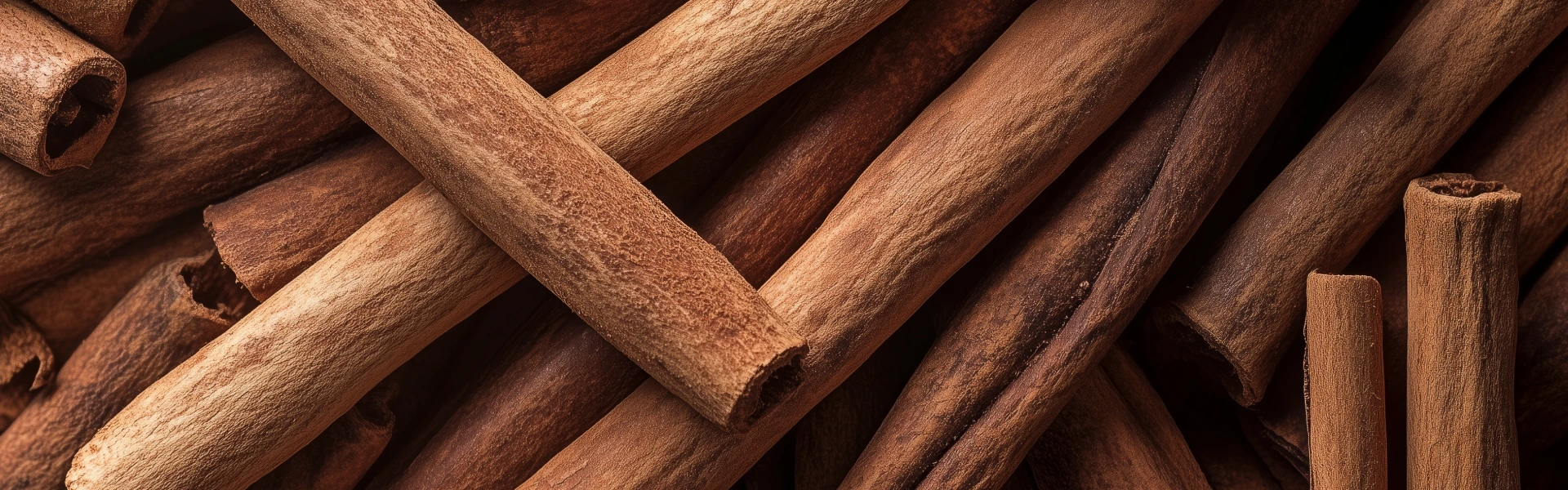
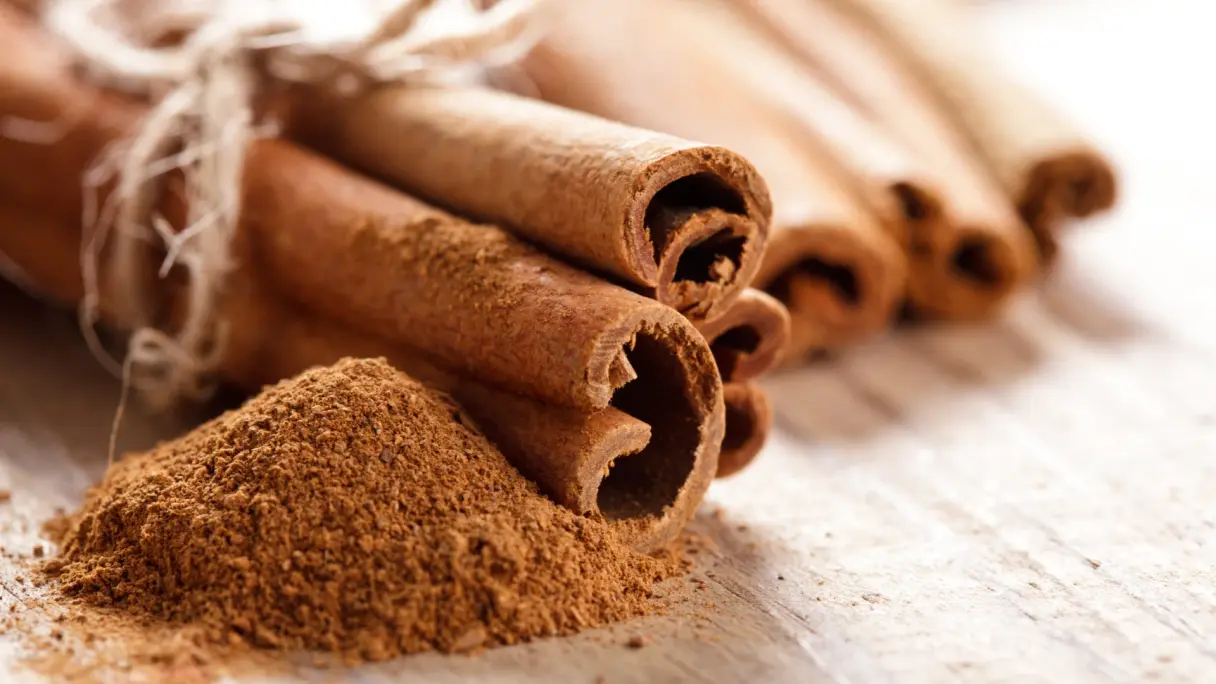
Cinnamon is the inner bark of the branches of cinnamon trees, which is removed from the cork layer. The branches are peeled off in thin strips and then dried for a short time. The water loss that occurs during this drying causes the thin layers to curl up. The rolled pieces are then placed inside each other and dried thoroughly. Finally, the dried cinnamon sticks are trimmed into shape. If you take a closer look at a cinnamon stick, you’ll see the multiple pieces of bark placed inside each other in cross section. The thinner the pieces of bark, the finer the aroma. Besides these cinnamon sticks, in the shops you can also buy ground cinnamon, which is made primarily from broken pieces.
If you’re keen to use high-quality cinnamon, you should note a few things when you buy it. The first thing to state is that you should always give preference to the cinnamon sticks from the cinnamon tree over cinnamon powder. That’s because, once it’s in powder form, cinnamon, just like all other spices, quickly loses its aroma. What’s more, cinnamon powder is made largely from Cassia cinnamon, whose aroma is not as good. So it’s best to buy Ceylon cinnamon sticks and crush them in a mortar just before you want to use them.
Our storage tip: to preserve the fine aroma for as long as possible, cinnamon sticks and powder should be stored in a cool, dark and air-tight place.
Cooking with cinnamon – how healthy is the spice?
Cinnamon is considered to promote digestion, and is said to lift your mood and stimulate the appetite. The essential oils in cinnamon also have an antibacterial effect. But take care: cinnamon also contains the substance coumarin, which can have a negative effect on your health. Coumarin inhibits blood clotting and studies have shown that it causes liver and kidney damage in animals. The substance is present in different quantities, depending on the variety of cinnamon: lower-quality Cassia cinnamon contains quite a lot of coumarin, so – if you use cinnamon regularly – you should opt for Ceylon cinnamon.
The aroma of cinnamon is warm, spicy and nice and sweet. There are also woody notes, alongside aromas that are reminiscent of cloves and so make many people feel Christmassy. In Oriental and Asian cuisine, cinnamon is regarded as a faithful accompaniment to many dishes – though it’s not just used in desserts, but in savoury dishes too. You can add a pinch of cinnamon to familiar dishes to give them a wonderfully uplifting touch. For example, you can simply add a cinnamon stick when you’re cooking meat dishes. This will give a very special flavour to hearty venison dishes in particular.
The product of the cinnamon tree can be put to use wonderfully in lots of different combinations – start off with a small pinch and then add more if you need to.
This might also interest you
Pepper varieties – adding heat to the spices

Vegan fridge cake – no-bake joy
A vegan fridge cake is the perfect opportunity for a new flavour experience that you can conjure up without the need for an oven.