

Banana: nutritional values, vitamins and calories of the fruit
During the weekly shop, bananas almost always end up in the shopping basket because young and old alike just love the taste. Bananas and their nutritional value also provide a welcome little energy boost between different activities. This yellow fruit has become such an important part of our daily diet that we often forget what makes it so special. We reveal the nutritional values and vitamins found in bananas.
Storage time*
| Larder compartment 12 °C | 20 days |
| Room temperature 20 °C | 4 days |
| Fridge compartment 7 °C | not recommended |
| Freezer compartment -18 °C | 12 months |
The key points
- High in nutrients and low in calories: bananas contain around 100 calories per fruit, lots of potassium, vitamin B6, vitamin C and filling fibre.
- Quick source of energy: the combination of natural sugar and starch makes bananas ideal as a snack before or after exercise.
- Good for digestion: the fibre contained in this product can stimulate bowel activity.
- Correct storage: bananas can be kept for up to 20 days at 12 °C (e.g. in the larder compartment), and around four days at 20 °C.
What nutritional values and vitamins are found in bananas?
Bananas boast impressive nutritional values. Their high carbohydrate content – particularly in the form of natural starch and sugar – makes them a quick source of energy. They also provide a considerable amount of fibre, which has a satiating effect and increases their nutritional value. Bananas contain significant amounts of vitamins such as B6 and C, as well as minerals such as potassium and magnesium. The water content is around 75%, while the fat content is very low. The sugar content changes depending on the ripeness of the fruit – green bananas contain more starch, ripe ones more sugar. A medium-sized banana provides around 100 calories.
How do bananas grow – and what makes them so special botanically?
Botanically, bananas are the berries of a herbaceous perennial which grows two to nine metres in height. Banana plants are a genus in the Musaceae family. Only female flowers form bananas. These are the so-called “fingers” which are arranged in “hands” and spiral around the inflorescence. The full infructescence is referred to as a bunch and may consist of up to 300 bananas and weigh an incredible 50 kg. The name banana originates from the Arabic word “banan”, which means “finger”.

How can bananas stay fresh longer – and how can they ripen faster?
To enjoy them for longer, bananas should ideally be stored at room temperature. The cold temperature in the fridge affects the ripening process and can cause brown spots to appear on the skin. They will keep fresh for around four days at approximately 20 °C. If you want to keep them longer, you can store them in the larder compartment of a Liebherr appliance at around 12 °C, where they will keep for up to 20 days. To slow down the ripening process, it helps to wrap the base of the stalk in foil. If you want bananas to ripen faster, apples or tomatoes nearby will speed up the process through the ripening gas ethylene. This way, you can enjoy the sweetness of bananas and their practical nutritional values as a snack between meals.
How healthy are bananas?
For many people, bananas are an integral part of a balanced diet. They provide quickly available energy thanks to their natural sugars such as glucose, fructose and sucrose, making them ideal as a snack before or after exercise. The high potassium content can support heart and muscle function and help maintain balanced blood pressure. The vitamin B6 contained in bananas can contribute to normal protein metabolism and the formation of messenger substances in the nervous system. Vitamin C is also present and can support the immune system and cell protection. In addition, the fibre in bananas can promote healthy digestion by stimulating intestinal activity. The fruit contains hardly any fat, but its structure makes it very filling. Bananas are often recommended for gastrointestinal complaints as they are easy to digest. Overall, bananas are an uncomplicated, nutrient-rich everyday food – ideal for anyone who wants to eat a balanced diet.
*All specifications given are to be considered as guideline values, and depend in each case on the type of food and on the proper storage without interruption of the cold chain from harvest/production through to the Liebherr appliance. Should food products have information about minimum shelf life, the date on the packaging always applies.
This might also interest you
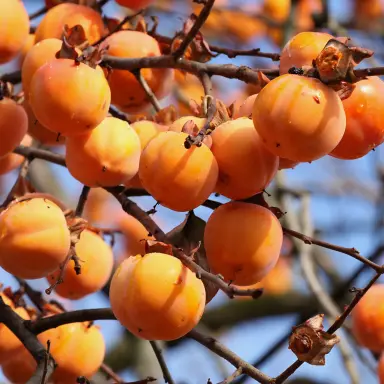
Kaki: nutritional values and vitamins of the sweet fruit
Sweet as honey, bright orange and great nutritional values – kakis! Read on to find out what exactly is behind its name and what makes the fruit so special.
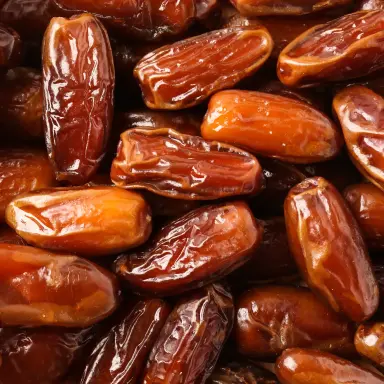
Dates: nutritional values, calories and effects of the snack

Honeydew melon – a power vegetable with few calories
Did you know that honeydew melon is a vegetable? You can find more exciting information about the origin, name, nutritional values and calories of honeydew melon here.