
Aloe vera juice: effect and possible uses
Whether it’s for cosmetics, dietary supplements or as a juice, the aloe vera plant can be used in a variety of different ways to support your health and boost renewal of cells in the skin, for example. Aloe vera juice and its effect was known even back in ancient Egypt. But aloe vera as a household remedy still remains very popular today. We’ll tell you how you can use aloe vera.
The key points
- Versatile uses: aloe vera is used in cosmetics, food and as a medicinal plant – the cooling, moisturising gel is especially popular.
- Two main substances: aloe vera gel and aloe latex are obtained from the plant – the latter should only be used internally after consulting a doctor.
- Easy to care for on a daily basis: aloe vera is very easy to care for, propagates easily and makes a great house plant.
- Obtain gel yourself: the gel can be extracted from the leaves with just a few simple actions – it’s important to remove the harmful leaf rind.
Aloe vera and its use – list of contents
Obtaining aloe vera juice and exploiting the gel’s effect
Aloe vera has gained a special reputation both as a medicinal plant and as a house plant because it’s extremely easy to care for. Even if you aren’t blessed with green fingers, the plant will serve as a long time companion. Aloe vera rarely needs to be watered and grows in nutrient-poor soil. It is also easy to propagate, so you can create several aloe vera plants from a single one. Older plants form small shoots of their own, which can then be easily separated from the actual plant and potted in new soil. Another possibility is to dry the tip of a harvested leaf for a few days and then put it into the soil.
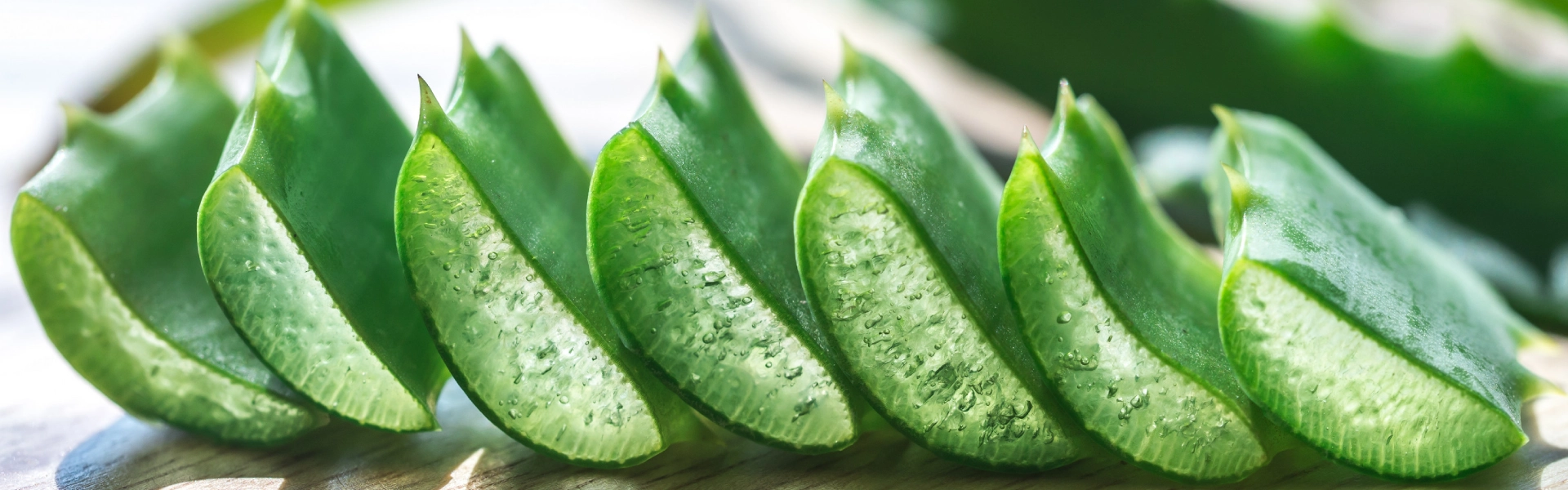
You are the proud owner of your very own aloe vera plant, then you can easily extract the gel yourself at home. To do this, you must first cut off one of the lower, older leaves at the base of the plant with a sharp knife. It is important to always harvest a whole leaf. To enjoy the benefit of the gel-like aloe vera juice, you must first place the leaf in water for some time, with the cut surface facing down. However, pay attention: The yellowish liquid of the aloe vera leaf rind has a laxative effect because it contains harmful substances called anthranoids. In order to remove all anthranoids without residue, you should also cut off the outer rind of the leaf. Once you have removed this, you can cut the leaves into strips, carefully remove the gel and then wash it thoroughly.
You can use the gel to make your own cosmetics, such as creams and hair masks, in no time at all. However, if you want to be on the safe side so you’re not risking the effect of the aloe vera juice, use industrially processed products.
It is best to store the harvested leaves or the gel (poured into sealed vessels) in your fridge. This further enhances the cooling effect. The products can also be stored in the chest freezer. Here’s a little tip: Use an ice cube tray to divide the aloe vera gel from your plant into perfect-sized portions!
Aloe vera plant: benefits and effect of the juice
Aloe vera belongs to the lily family and is originally native to tropical climates. In the meantime, however, it has also become a popular house plant and can be found on many windowsills. Its thick fleshy leaves, in which the plant stores enormous amounts of water, are typical. Inside the leaves there is a colourless gel-like substance, aloe vera gel, which is used in many areas of the food and cosmetic industry due to its properties. Two main substances can be extracted from the aloe vera plant: the aforementioned gel and aloe latex. The latter is extracted from the yellowish liquid of the leaf rind and is used in some medicines. The aloe vera juice has a laxative effect and is used to treat constipation.
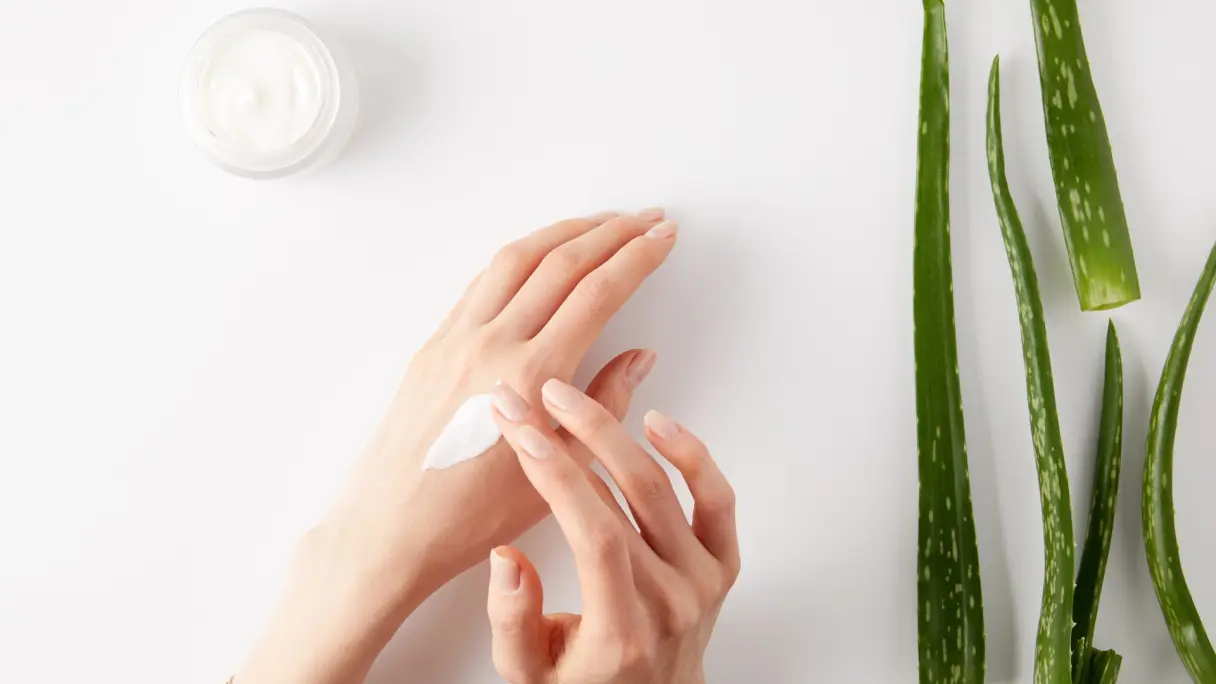
However, before you use aloe vera internally, you should discuss this with a doctor as prolonged use could increase the risk of cancer. Aloe vera gel, on the other hand, is often used in the beauty and health industry. It can be particularly beneficial for healing skin irritations and minor burns, such as sunburn. It cools the skin and moisturises it. The gel is even suitable for more sensitive skin as it maintains the natural acid mantle. But take care: the aloe vera plant and the juice is often deemed to have other healing effects. For example, its constituents are said to alleviate diabetes, and intestinal and joint problems. However, these statements still need to be supported by scientific evidence.
The aloe vera plant enables you to benefit from valuable vitamins, minerals, mucilage from carbohydrates, amino acids and enzymes. The range of ingredients is large, but the concentrations are low because aloe vera gel is already 99% water. When you use aloe vera, pay attention to the effect of the juice and the gel so you can benefit from the plant instead of being damaged by it.
This might also interest you
Make your own natural cosmetics for a natural care regime
Care products without any artificial ingredients or unnecessary packaging waste? We’ll show you how you can make your own natural cosmetics and keep them suitably chilled.

The top 10 foods for healthy skin
From avocados and sweet potatoes to salmon, find out which foods and their nutrients protect and regenerate your skin. Read on to find out.
Calamansi – what’s behind this tropical fruit?
Exotic, healthy and versatile: calamansi impresses with its sweet and sour taste and high vitamin C content. Read on to find out.