
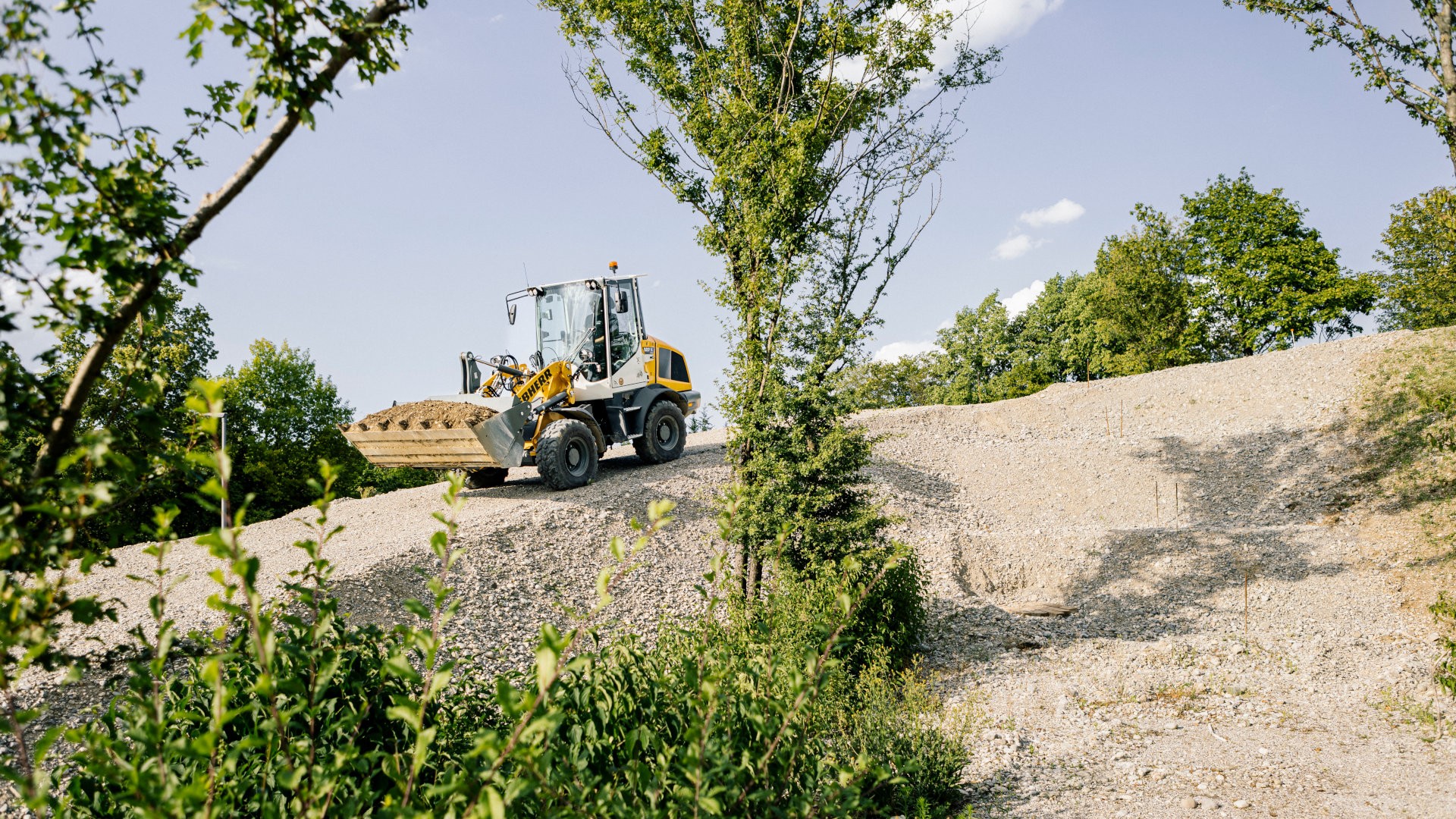
Discover our diverse range of drive systems
Pioneering technologies
Let our diverse portfolio of future-oriented drive technologies inspire you.
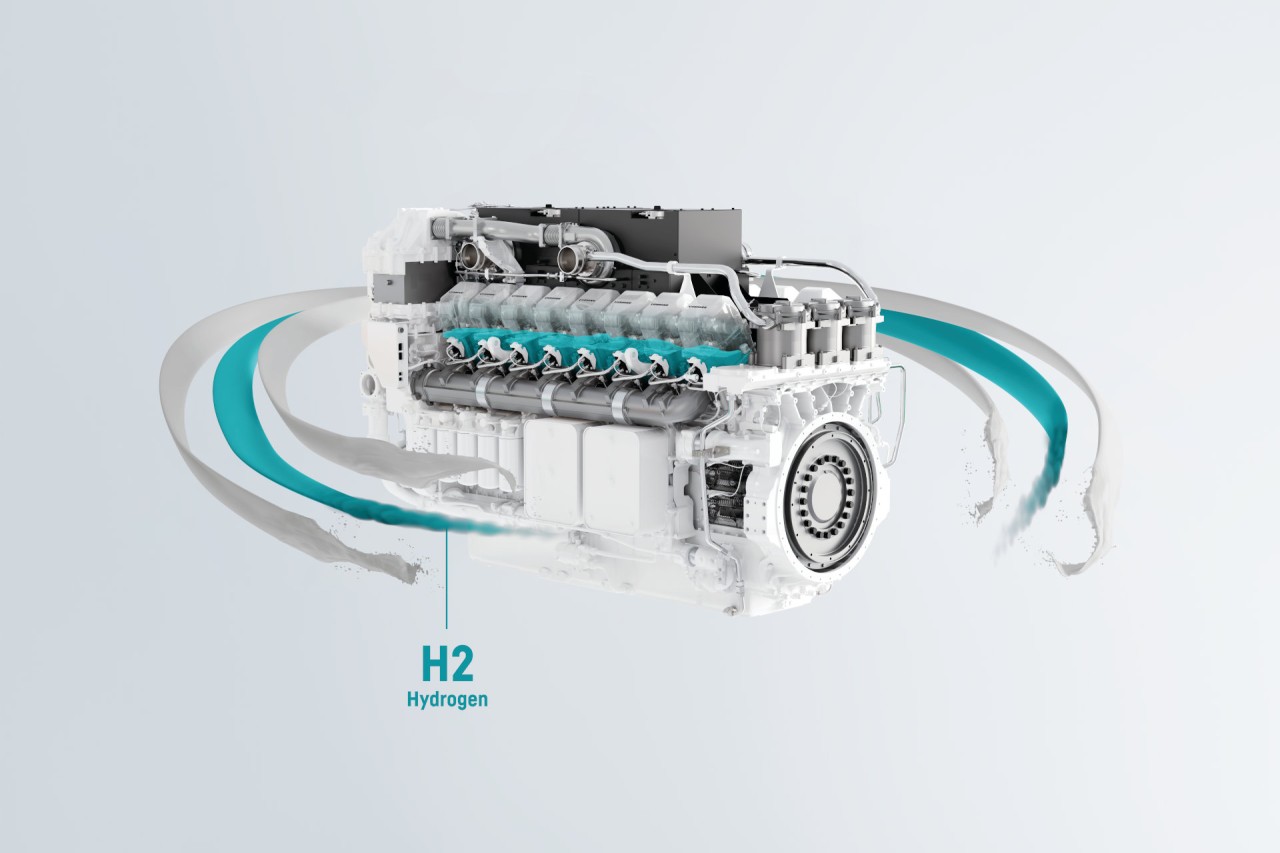

Hydrogen
In the near future, new products will be launched that are powered by hydrogen and fuel cells as energy converters.
The advantages of using this type of drive:
- Independence from a permanent energy supply
- Great future potential
- Particularly suitable for heavy-duty applications
- Same overall performance as a diesel-powered version
- Fast refuelling
L 566 H
In summer 2024, the first prototype of a hydrogen-powered large wheel loader celebrated its premiere at the Liebherr plant in Bischofshofen (Austria).
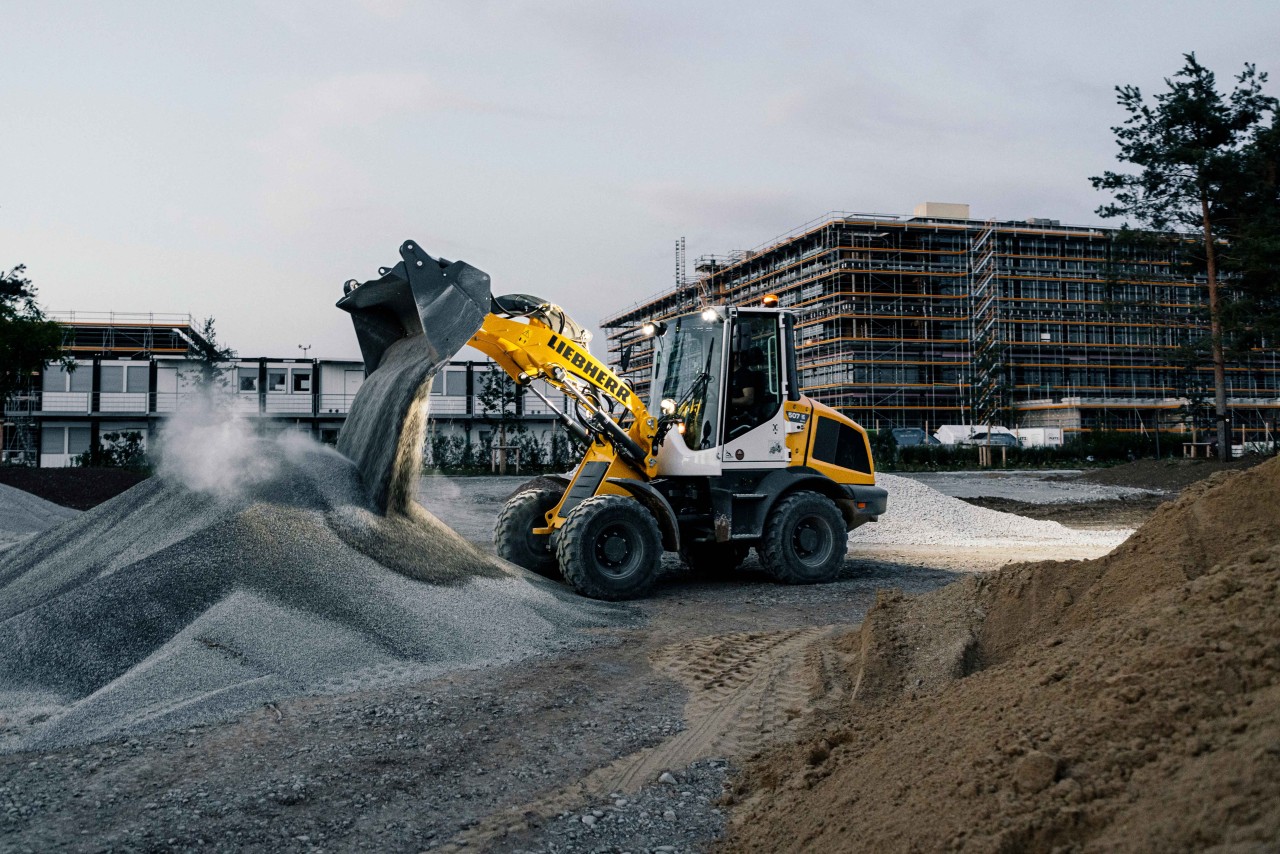

Electric motor
Liebherr is pursuing the development of battery-powered and mains-powered electric drives for its machines.
The advantages of using this type of drive:
Battery-powered electric drive
- Local zero-emission operation
- Increased driver comfort
- Increased energy efficiency compared with conventional internal combustion engines
Mains-powered electric drive
- When used on site, there are no direct exhaust emissions
- Enlargement of the working area or range of movement through optional batteries
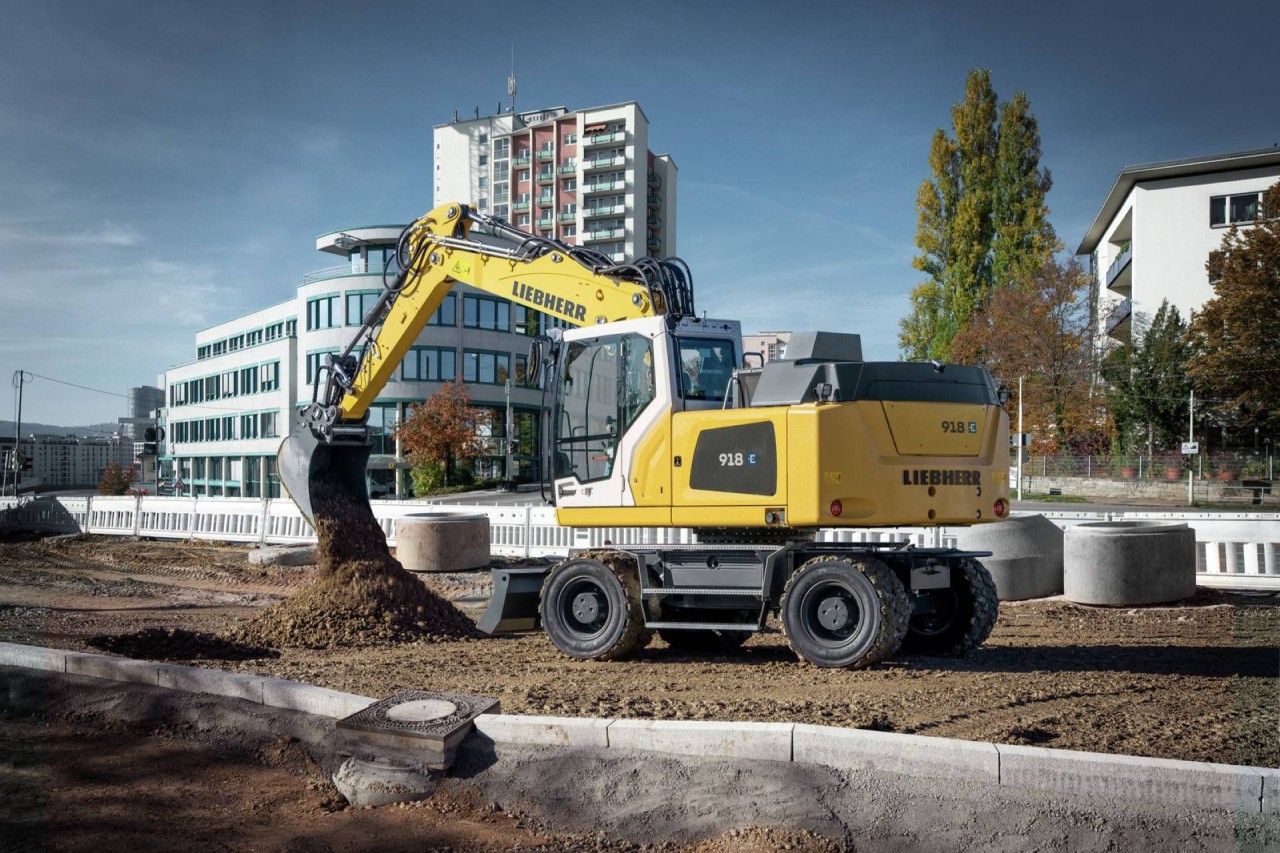
A 918 E Litronic
The Liebherr A 918 E Litronic combines the tried-and-tested performance of the 8th generation with a modern battery-electric drive system. The high-performance lithium-ion battery enables cost-effective operation whilst reducing maintenance requirements, making the A 918 E Litronic a future-proof solution for demanding applications.

Alternative fuels
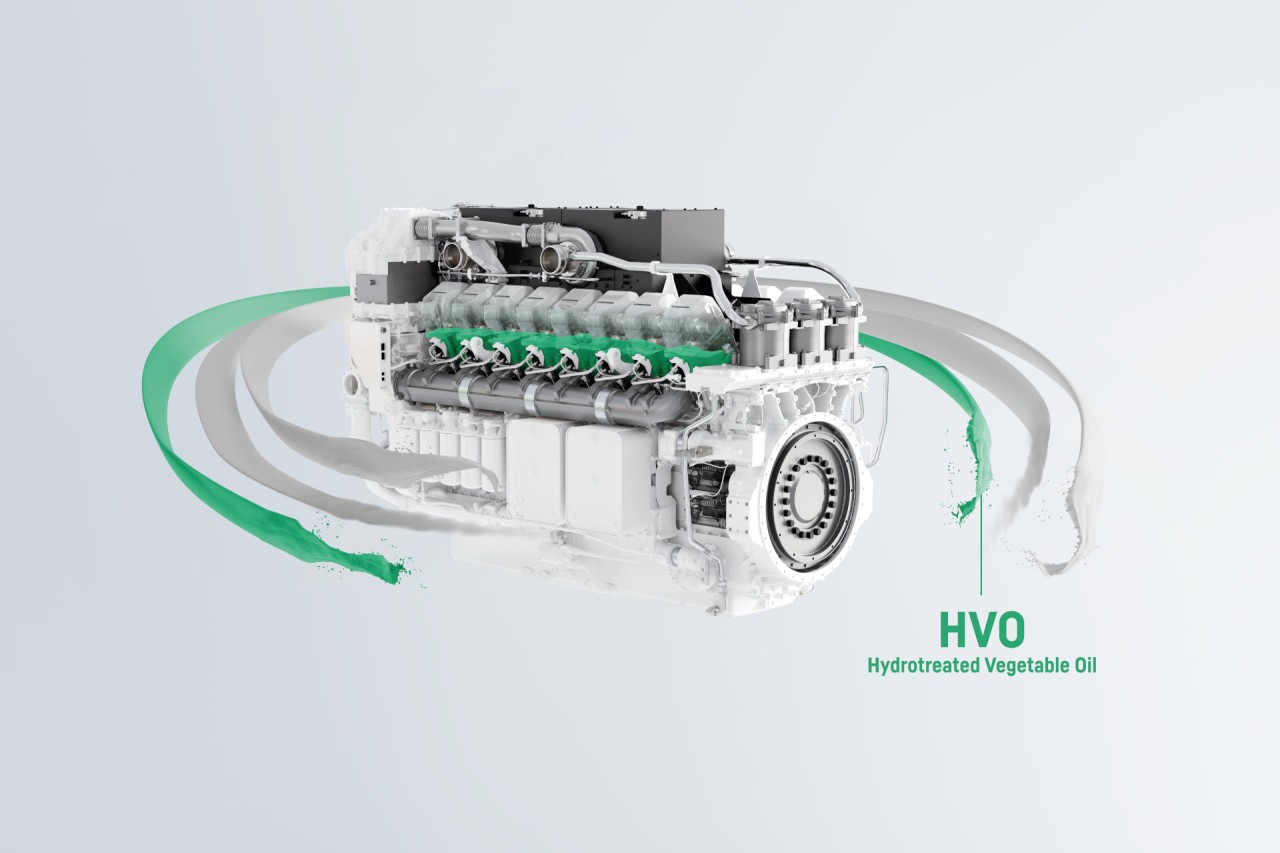
We are working on various propulsion technologies – including hydrotreated vegetable oil (HVO) and synthetically produced e-fuels.1 These are already compatible with Liebherr machines. The use of approved alternative fuels can – depending on availability and applications – reduce diesel consumption.
1) HVO in accordance with EN 15940; environmental impact depends on raw materials and production process
The advantages of using this type of drive:
- can reduce greenhouse gas emissions from diesel engines compared with fossil diesel
- lower nitrogen oxide emissions (approx. -11%)
- lower AdBlue consumption
- reduced soot formation
- increased ageing and cold stability
- no engine oil dilution