




Alternatives to coffee and cocoa
Alternatives to coffee and cocoa are receiving increasing attention for mindful consumption, better tolerance, and new flavor experiences. Traditional coffee and cocoa can cause stomach irritation in some people and are imported from distant regions. Many of these alternative products are caffeine-free or contain fewer potentially irritating ingredients, and some may help reduce transportation distances, depending on where they are sourced and how they are cultivated. From lupin and cereal coffee to cocoa-free chocolate alternatives, a wide range of options are being developed to offer something new in your cup.
The key points
- Many alternatives to coffee are caffeine-free or have reduced caffeine
- Coffees made from lupins and cereals can use regional ingredients
- Some alternatives are thought to be easier on the stomach
- Carob is a natural, caffeine-free cocoa alternative
- New products made from sunflowers could make us less dependent on cocoa cultivation
Alternatives to coffee and cocoa – list of contents
Lupin coffee and cereal coffee: mild and caffeine free

Lupin coffee and cereal coffee are some of the best known coffee alternatives and are often used as a substitute for traditional coffee. Lupin coffee is made from roasted sweet lupin and is naturally caffeine-free. Lupin can also be cultivated in Europe, which means shorter supply chains may be possible, depending on the product. Lupin coffee tastes similar to coffee, but is often said to be milder, less bitter, and less acidic, so some people prefer it.
Cereal coffee is based on ingredients like barley, rye, and spelt. This alternative is also caffeine-free and has a light, malty flavor. Both variants can be prepared like coffee and are suitable for different preparation methods.
What is mushroom coffee?
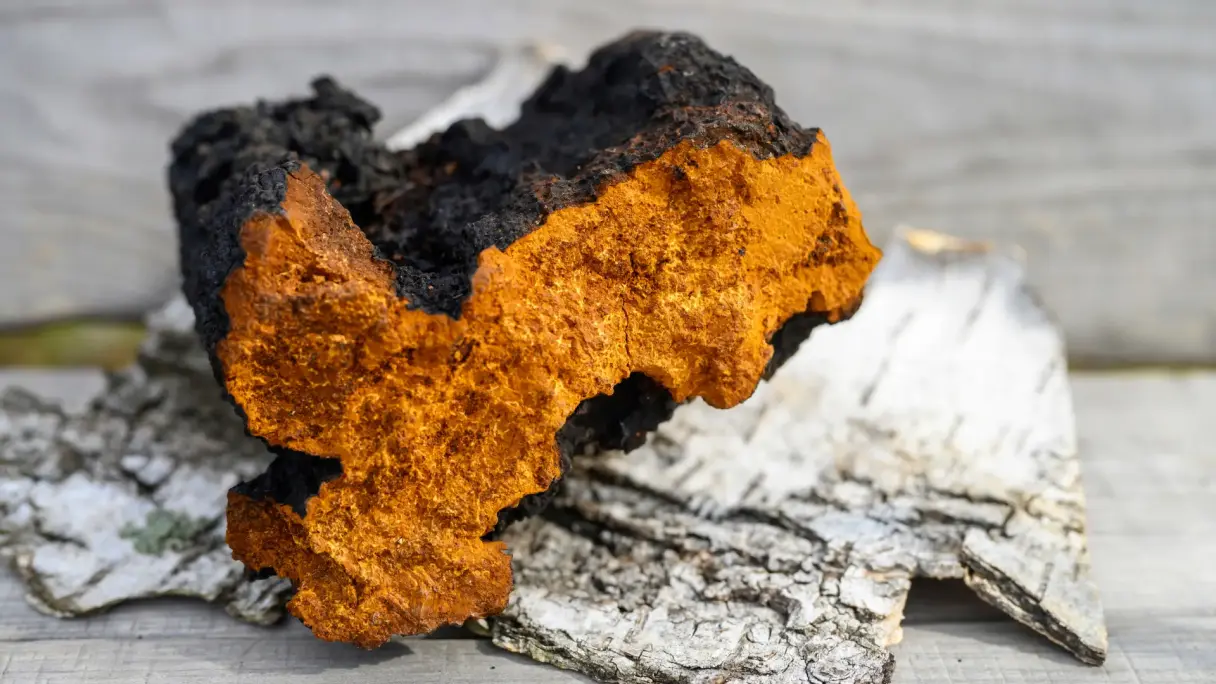
Chaga mushroom – dark, edible mushroom with bright orange inner structure on birch bark.
Mushroom coffee is a drink made from mushroom extracts, which is either caffeine free or combined with coffee. Dried and processedreishi, chaga and lion’s mane mushrooms are often used.
Many of these products are sold as functional drinks that go beyond just taste. Scientific evidence for specific health effects has, however, been limited to date. Claims should therefore be viewed with caution.
Mushroom coffee tastes very different to traditional coffee. It is often said to be earthy, slightly bitter, and nutty. If you want to try new flavors, it can be an interesting alternative to explore. To make a conscious selection, it may make sense to pay attention to the origin and processing of the ingredients used.
What coffee alternatives are there?
If you want to reduce how much coffee you drink, there are a wide range of possible alternatives available to you. In addition to coffees based on lupins and cereals, there are also malt, chicory, and dandelion coffees. These variants are caffeine-free and are often less acidic, so many people find them easier to tolerate.
Tea can also be an alternative. Rooibos, herbal teas, and fruit teas come in caffeine-free versions and offer a wide variety of flavor profiles. Green tea and matcha do contain caffeine, but many people feel that they are milder.
Which alternative is right for you depends on your individual needs; whether you want to avoid caffeine, or if the focus is on flavour or tolerance. Trying out different options can help you discover your favourite.
Cocoa-alternatives: from carob to sunflower seeds
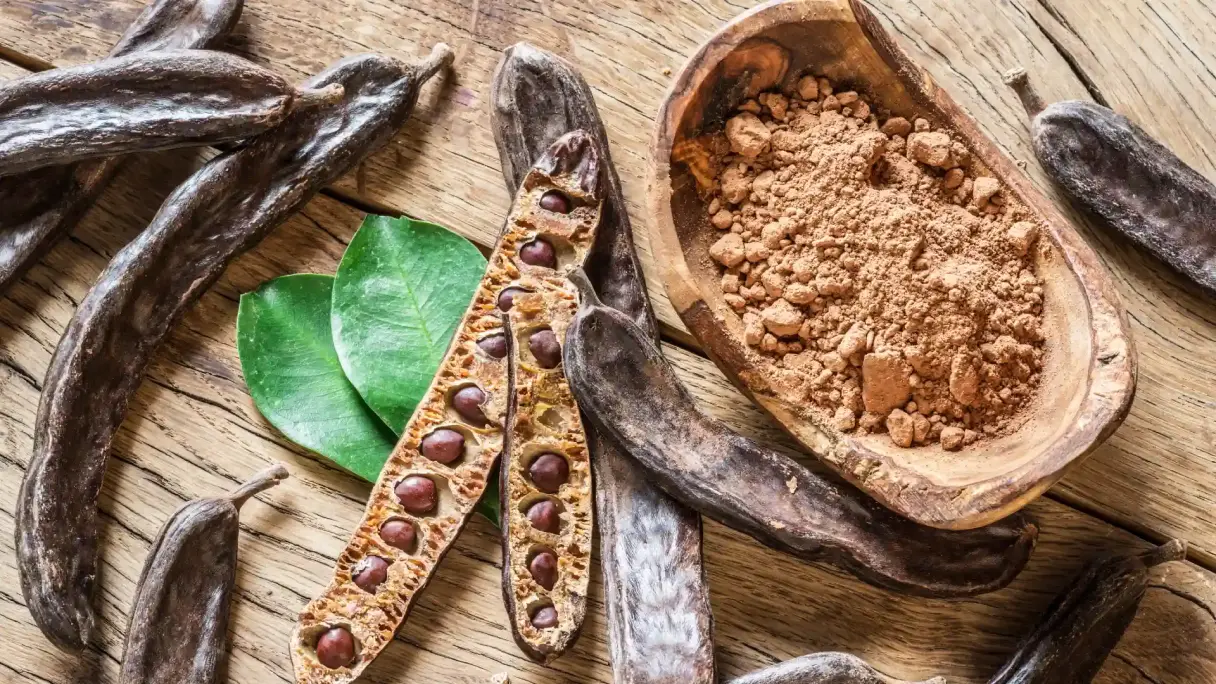
Carob: dried pods and ground powder as a natural cocoa alternative.
Various alternatives are available for substituting cocoa, each with its own distinctive features. One well-known option is carob, a powder made from the fruit of the carob tree. It is caffeine-free, doesn't contain theobromine, and is naturally slightly sweet. This means that it can be used in various recipes, such as in drinks and pastries.
There have also been developments in cocoa-free chocolate alternatives made from sunflower seeds. These products are fermented and roastedto create chocolate-adjacent flavours. The objective of these approaches is to use alternative raw ingredients and open up new avenues in food production.
Even rice-based processes are sometimes used to create cocoa-adjacent flavors.

This text was machine translated from English.