
News | 2018-12-07
The blades on the latest generation of wind turbines are nowadays installed individually using rotor blade yokes. Liebherr has developed a system for this future-oriented application, which makes the installation process safer, more economical and in many cases also greener – the SLGS single-line guiding system.
To stabilise long rotor blades in the wind, helpers have had to be used on the ground with vehicles and, in some cases, even rope winches, to control the blades using long ropes. This requires a great deal of space on the ground as the force needed can only be generated if the ropes are spanned at an adequately low angle. For erecting wind turbines in forest areas, this means that more trees have to be felled than the component sizes of the crane and turbine components themselves would actually require. None of this is required if the new Liebherr SLGS is used as the blades are stabilised in the wind by the crane’s main boom.
The single-line guiding system is a system which is attached to the main boom on the side facing the load. A rope is secured at the top of the boom head and tensioned using a rope winch below in the pivot section. A cable pulley with two connections to the outsides of the rotor blade yoke runs along the boom rope during the hoisting process. With its own power supply in the yoke, the two connections to the SGLS are tensioned so that the blade is stabilised in the wind and can also be moved into the correct angle for installation on the hub. Since the horizontal application of force on the blade by the main boom is perfectly aligned, the SLGS significantly improves the load control during the blade installation.
You might also be interested in
2026-10-02
Listicles
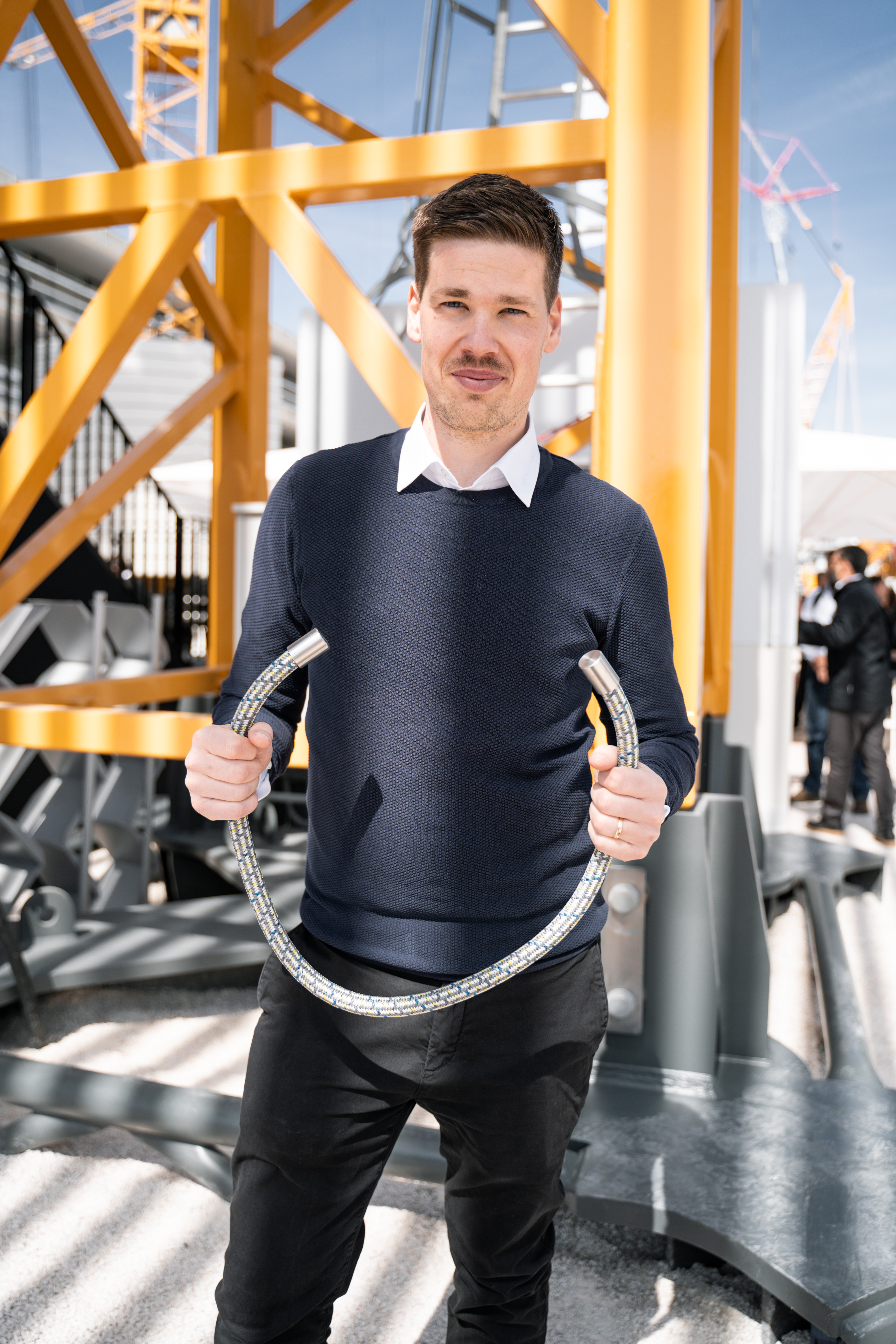
More experience, more confidence: six questions on the new period of use for Liebherr fibre ropes
Liebherr is increasing the period of use of its fibre ropes to up to 12 years in temperate climates and up to 8 years in hot climates, while the overall service life is rising from 14 to 16 years. But what's behind this decision, and why do all ropes already in the field benefit too? Six questions for Jochen Huber, Product Manager Fibre Technology at Liebherr, on the tests, the impact for customers on site, and the wider strategy behind Fibre technology.
2026-10-02
Press releases
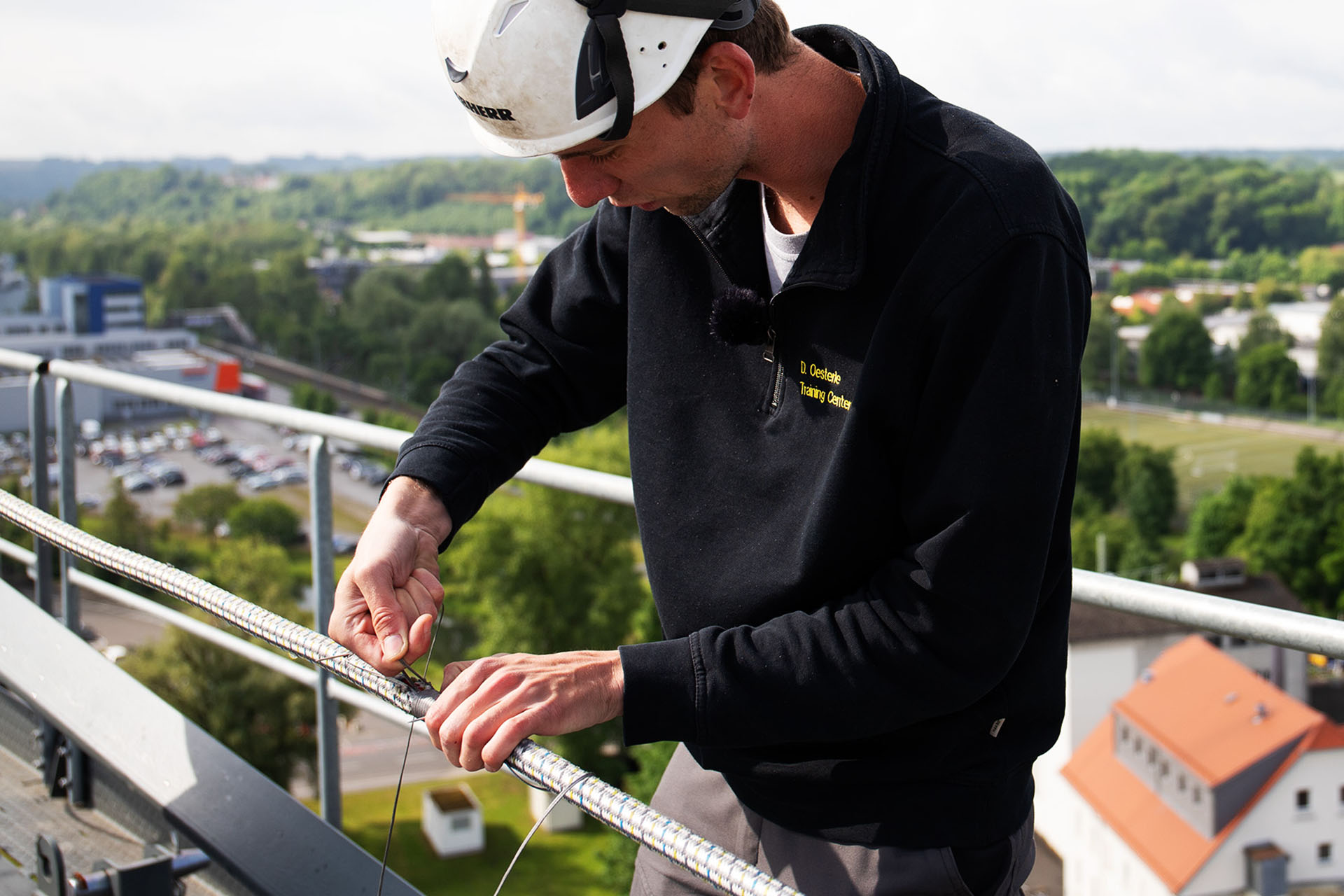
Liebherr is increasing the overall service life of its Fibre ropes from 14 to 16 years, with the decisive period of use rising to up to 12 years. This is based on multi-year ageing trials on test rigs and analyses of ropes already in field. The new ruling applies automatically to all new ropes and those already in the field. This step forms part of Liebherr's ongoing path towards establishing Fibre technology as the new standard in the tower crane market.
2026-10-01
Press releases
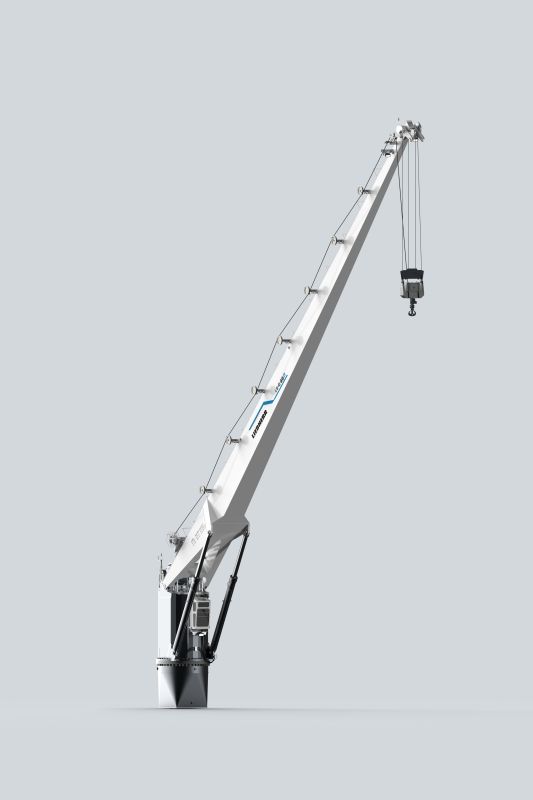
Liebherr LS-C 60 crane to equip multipurpose vessel for operations in French Polynesia
Operating across widely scattered islands, the Liebherr ship crane supports a vessel concept that must combine logistics and passenger transport within a single platform, where space, stability and operational flexibility are closely linked.