

Liebherr-Werk Bischofshofen GmbH
Dr. Hans-Liebherr-Straße 4
5500 Bischofshofen
Austria
Press releases | 2026/01/15
At a gravel plant in Munich, a Liebherr large wheel loader is loading trucks from MAN and Daimler Truck. What appears to be a routine operation is actually a milestone: all three machines are powered by hydrogen engines, operating largely CO2-free and setting new standards for sustainable construction site logistics. The operation offers a glimpse into the future and proves that low-emission construction sites are already possible today. For this to become common practice, a comprehensive H2 infrastructure network is needed. The joint effort by various European manufacturers proves that committed cooperation and the use of synergies can proactively drive the development of climate-friendly technologies.
The deployment at the gravel plant demonstrates impressively that hydrogen-powered drivetrains are in no way inferior to their diesel counterparts. The Liebherr L 566 H – the first prototype of a large wheel loader equipped with a Liebherr hydrogen engine, operates alongside the production-ready MAN hTGX truck and a development vehicle based on a Mercedes-Benz Arocs from Daimler Truck. All three machines successfully completed demanding earthmoving and material-handling tasks – reliably and with low emissions.
This joint operation was made possible by the Hydrogen Engine Alliance, a cross industry interest group based in Karlsruhe (Germany). Hydrogen plays a decisive role in enabling low emission mobility, particularly for heavy-duty machinery with high energy demands.
The L 566 H large wheel loader feeds rock material into plants and loads trucks. "What makes it special is that our wheel loader can be used in exactly the same way as a conventional diesel machine. No special deployment planning is required, as the wheel loader can work a full shift and be ready again after a quick refuelling of just 10-15 minutes," explains Hans Knapp, Head of the Pre-Development and Drive Technology Department at Liebherr-Werk Bischofshofen GmbH. Liebherr presented the prototype and a new, in-house hydrogen filling station to an expert audience for the first time in Bischofshofen (Austria) in the summer of 2024. This was followed by the presentation of the wheel loader at the world's leading trade fair, Bauma 2025. The L 566 H is one of several hydrogen-powered wheel loaders of this type that Liebherr is testing with various customers.
Different technologies are suitable depending on the application and load profile. Liebherr pursues a technology-neutral approach in this regard. Hydrogen propulsion is particularly impressive due to its robust components, high storage capacity and suitability for demanding, heavy duty applications make it particularly compelling for machinery with long operating cycles. As confirmed by the development team at Liebherr-Werk Bischofshofen GmbH, extensive studies have shown that hydrogen is the optimal low emission alternative to diesel for heavy vehicles with high energy requirements. When green hydrogen is used, these engines enable largely CO₂ free operation with extremely low nitrogen oxide emissions - while also delivering impressive overall efficiency.
While the L 566 H is still in the development stage, hydrogen is already finding its way into the first series-production commercial vehicles. This low-emission energy source really comes into its own when it comes to long ranges and heavy loads. Alongside the MAN eTGX, the MAN hTGX is MAN's second zero-emission alternative, is already available to order and is being produced in a small series. Peter Albrecht, Senior Manager Engineering Vehicle & External Engines at MAN Truck & Bus SE, explains: "The engine's driving behaviour is comparable to that of a diesel engine. We also have the corresponding assistance systems and automatic transmission functions as in a conventional diesel vehicle." Daimler Truck is also represented at the gravel plant with a hydrogen-powered construction vehicle. Mirco Conitz, Lead Engineer H2 ICE at Daimler Truck AG, confirms the flexible usability of the hydrogen engine and adds: "Our development vehicle based on the Mercedes-Benz Arocs also runs more quietly than its diesel-powered counterpart."
The test run at the gravel plant shows that low-emission construction sites are not a distant vision but are already possible today. European manufacturers Liebherr, MAN, Daimler Truck and the Hydrogen Engine Alliance are demonstrating how hydrogen can be brought into real construction site operations as a practical and largely CO2-free energy source through committed cooperation and the targeted use of synergies. In order for hydrogen to reach its full potential in the future, Europe needs a comprehensive transport network and a fair hydrogen price, as is already being consistently pursued in Asia.
2026/09/22
Press releases
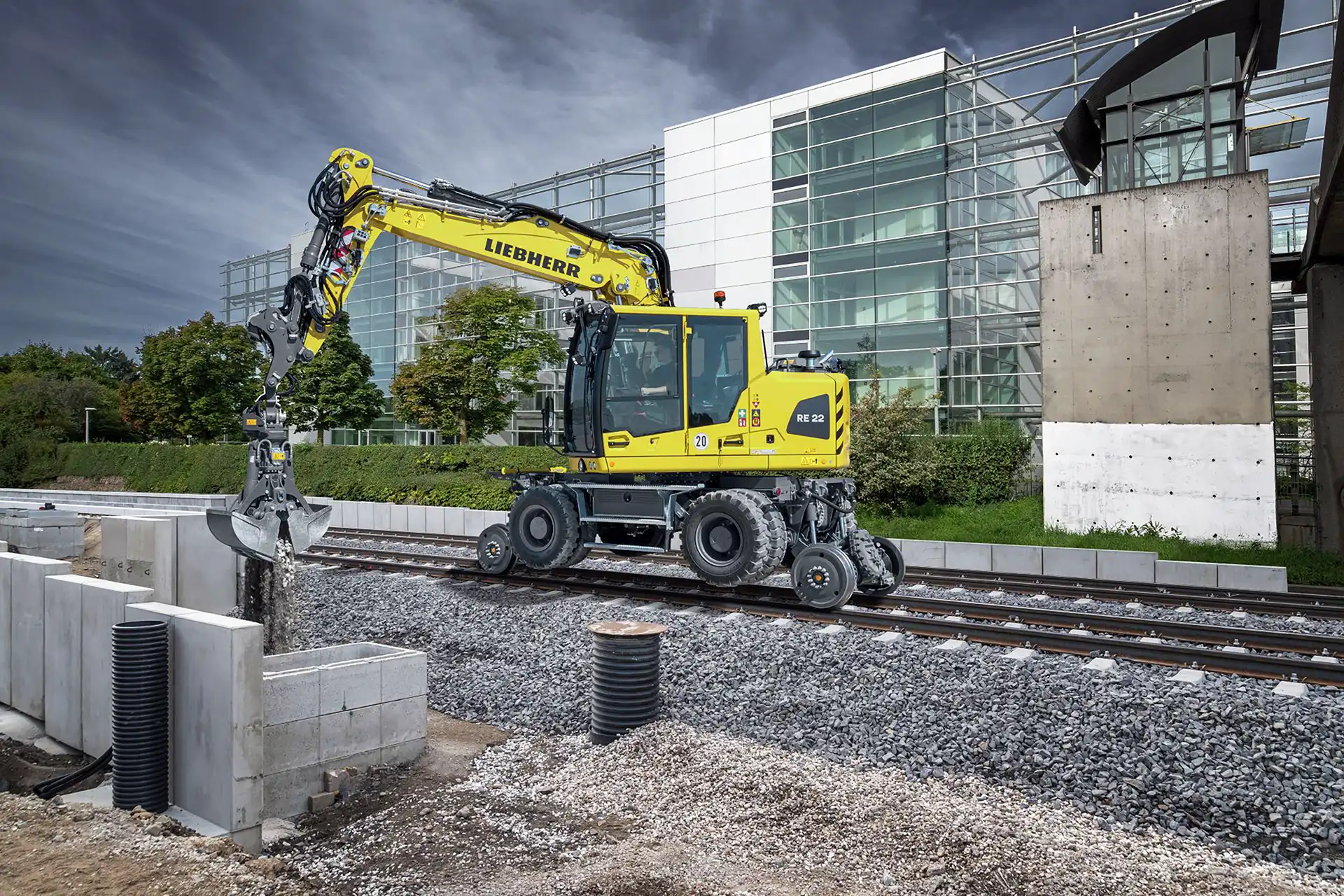
At InnoTrans 2026, Liebherr will unveil its new railroad excavator for the first time: the RE 22 M Litronic. This model expands the existing range to include a machine in the 22-tonne class with hydrostatic rail-wheel drive and is the successor to the A 922 Rail and A 924 Rail. The machine combines tried-and-tested components from the A 922 Rail with a newly developed undercarriage and a new operator's cab.
2026/09/21
Press releases
Liebherr – a reliable partner at InnoTrans 2026
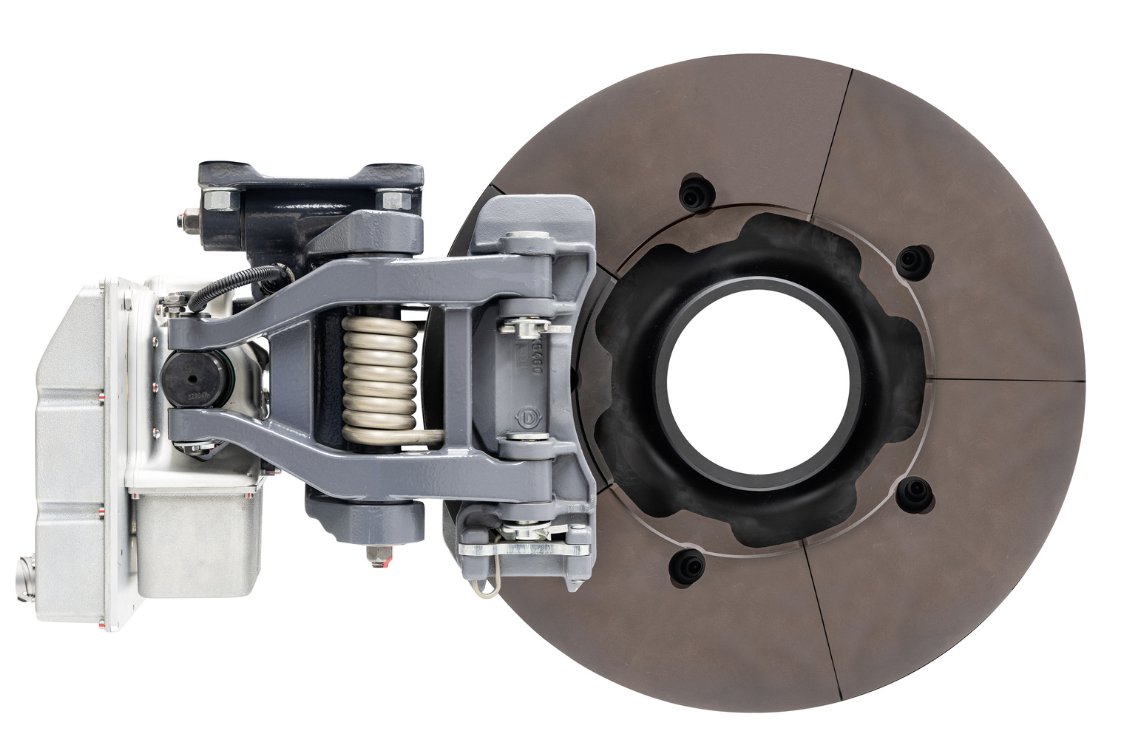
At InnoTrans running in Berlin (Germany) from September 22 to 25 2026, Liebherr is presenting solutions from the transportation systems and rail-road excavators product areas. The Group will be displaying its exhibits at booth O/170 in the outdoor area. The Group’s appearance at the exhibition is focused not only on products, but also on topics such as partnership and its joint efforts with customers to actively shape the future.
2026/09/16
Press releases
From dust to top performance: Liebherr impresses at the České Štěrkopísky gravel plant
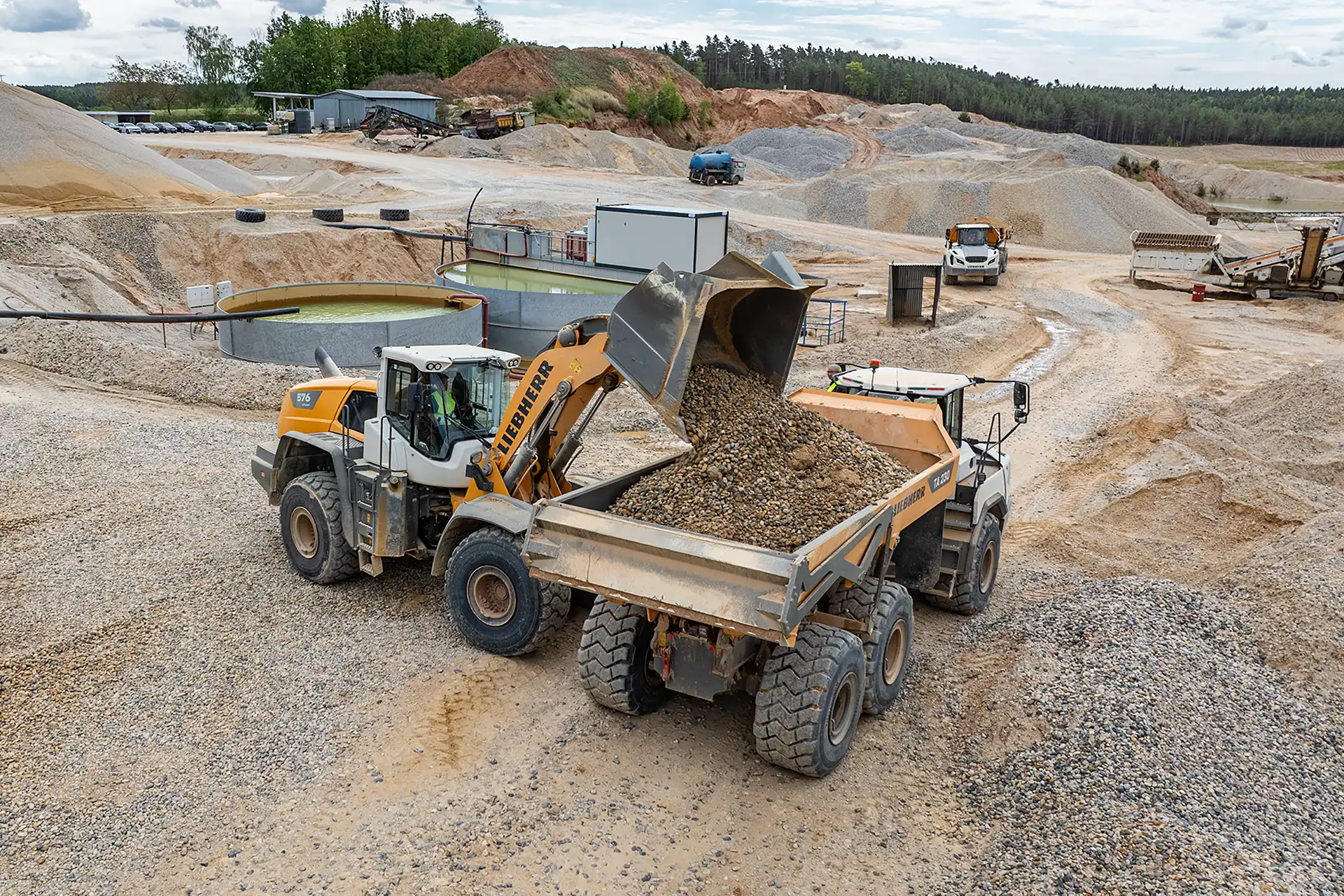
Dust, demanding operating conditions and extreme material loads: at the sand and gravel pit near Velká Černoc, Liebherr wheel loaders and mining trucks are demonstrating their full capabilities. Abrasive sand, uneven tracks and demanding multi-shift operation place the highest demands on both man and machine. It is not just performance that is crucial here – above all, robustness, reliability and efficient coordination between all machines are essential.