

Liebherr-Werk Biberach GmbH
Memminger Straße 120
88400 Biberach an der Riß
Germany
Press releases | 15/10/2026
A Liebherr Derrick crane has been transported piece by piece onto the roof of the Opus 12 tower in Paris La Défense, using a goods lift and a helicopter. Because the heaviest and largest components could not reach the site and the roof could not bear the load of a standard crane, Liebherr Tower Crane Solutions, Liebherr France (LDF) and the client Legendre developed this rooftop lifting solution together.
On the roof of the Opus 12 tower in La Défense, a Liebherr Derrick crane is lifting materials for a new technical installation on top of the building. The crane, a Liebherr 200 DR 5/10 Litronic, was chosen because conventional tower cranes could not be transported to the site or erected on the roof.
The Opus 12 tower stands around 100 metres tall with 26 floors in La Défense, the business district west of Paris. Built in the early 1970s, the office building is currently being modernised for the French construction group Legendre, including a new technical installation on the roof. To build it, construction materials needed to be lifted onto the roof, but a conventional tower crane was not a realistic option. The building sits in a dense inner-city location that articulated lorries cannot reach, and the roof structure could not carry the load of a standard tower crane. A conventional Liebherr tower crane would have been unrealistic in terms of transport, weight and component size. A Derrick crane, by contrast, can be broken down into small individual parts and reassembled on site, making it suitable for complex rooftop projects.
The Derrick crane was provided by the Liebherr Tower Crane Center in Bad Waldsee, Germany and transported, to France. It was then moved to the storage yard of Liebherr France (LDF) in Paris, where individual components were pre-assembled. From there, the parts were loaded onto smaller vehicles and brought to the construction site. The narrow streets around the site made direct delivery by articulated lorries impossible.
Getting the crane onto the roof required two transport methods. Ballast weights, pins, connecting materials, spreader beams and smaller components were sent up in the building's goods lift. The heaviest of these parts weighed around 1,200 kilograms.
The largest assemblies, including tower sections and jib, did not fit into the lift and were flown onto the roof by helicopter instead. The heaviest of these parts weighed around one tonne. Components were picked up from a suitable open area nearby and set down directly on the building's roof. The operation was carried out in May 2026, using an Airbus H225 Super Puma helicopter with an 80 metre sling line. Six flights were needed to bring all the components, including the spider crane, onto the roof, and the entire operation was completed within around 30 minutes.
To allow the Derrick crane to be erected on the roof at all, a dedicated steel substructure was required. Liebherr Tower Crane Solutions, which provided technical consulting, engineering and project support, supplied the crane's loads, static data and technical requirements. The customer's construction team used this data to design the substructure. To install it, the roof was opened at several points, a steel structure was built down into the building's load-bearing structure, and the crane's load was safely introduced into the building. The Derrick crane's spreader beams were were connected to the building via a specially designed steel substructure, which safely transferred the crane loads into the supporting structure.
The request came from Legendre to Liebherr France (LDF). It became clear early on that conventional lifting solutions were not suitable, and TCS was brought in via LDF to develop a technical solution. TCS analysed the requirements and confirmed that a Derrick crane was the most practical technical solution. The project illustrates how Tower Crane Solutions typically works.
"We do not start with a crane, we start with a challenge. In this case, the challenge lay in lifting several tonnes of material onto a high-rise rooftop in the heart of Paris. Restrictions on access and load-bearing capacity ruled out conventional lifting solutions. Only after analysing those constraints did, we conclude that a derrick crane was the right answer,”
The Derrick crane used in Paris is a genuine specialist machine. Around 20 units of this type exist worldwide, three of which are owned by Liebherr Tower Crane Center (TCC), the entity that owns and rents out the crane. "We only have a handful of these derrick cranes in our rental fleet, and we lend them out for exactly this kind of project, where the site itself rules out a conventional solution. Paris is a good example of why we keep this specialist equipment available, even though it is used far less often than our standard tower cranes.", says Marco Scheuerl, Global Sales Manager Used & Rental Equipment, Tower Crane Center, Liebherr. “It is deployed only for exceptional requirements, such as the dismantling of very large tower cranes, high-rise projects, roof renovations, building extensions and projects with severely restricted access.”
Previous references for this crane type include the Çanakkale Bridge in Türkiye, as well as projects in Vancouver, London, etc. The Paris deployment is among its more unusual applications, since the Derrick crane was not used primarily to dismantle another crane, but as an erection solution for a rooftop extension.
Once work on the rooftop installation is complete, the Derrick crane is due to be dismantled again, expected in early November 2026. As with its erection, the dismantling will require detailed logistics planning, since the crane must once again be broken down into individual components and transported off the roof.
13/10/2026
Listicles
7 projects that show how varied Tower Crane Solutions projects are around the globe
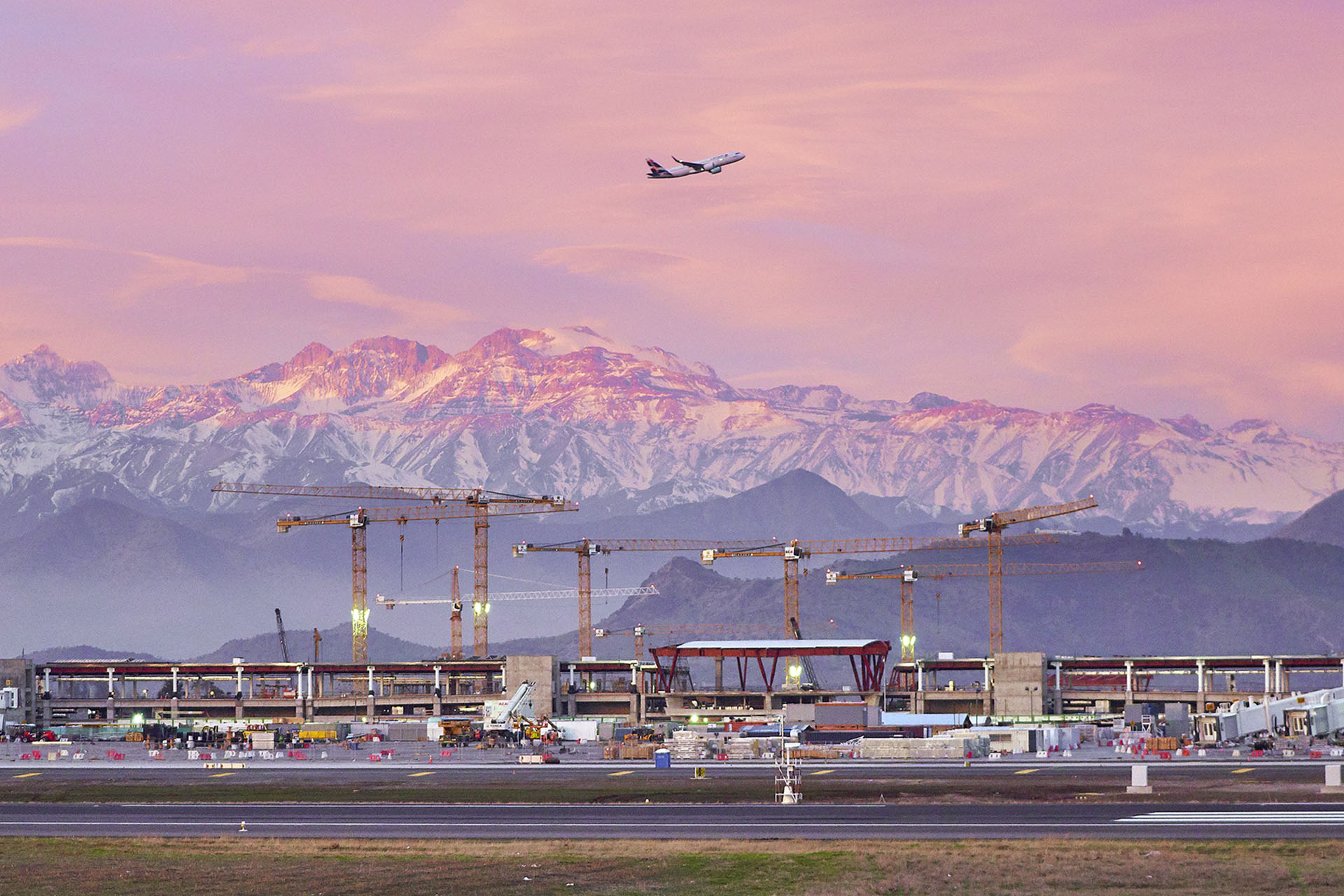
From the basilica in Barcelona to the airport in Santiago de Chile. The Liebherr Tower Crane Solutions (TCS) department has been involved in some of the world’s most demanding construction projects in recent years. Seven examples show how varied these projects can be around the globe. What all the projects have in common is that they call for individual crane concepts and close collaboration with customers.
08/10/2026
Comunicati stampa
Tre gru Flat-Top Liebherr per la trasformazione dei gasometri di Bovisa a Milano
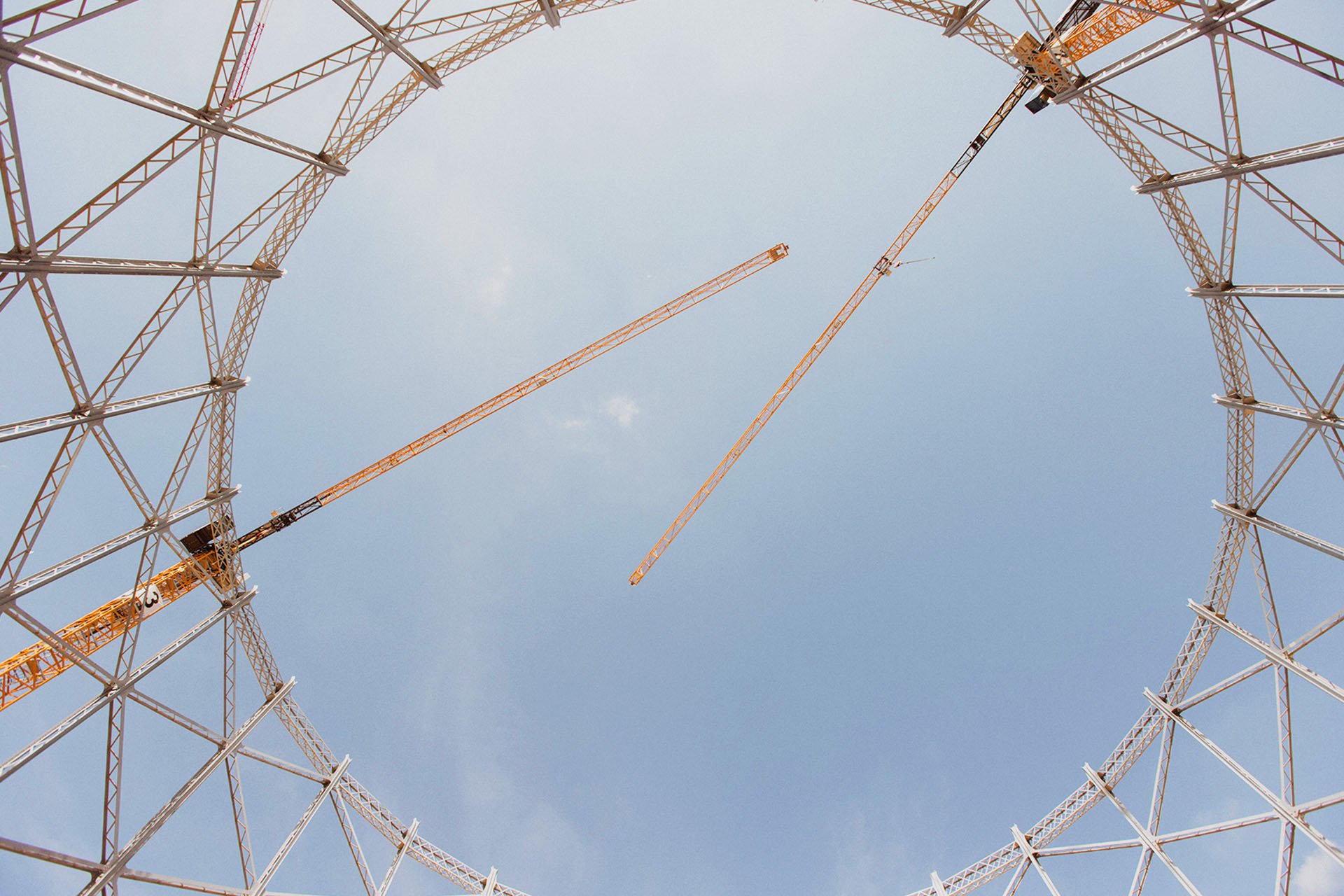
Due gasometri dei primi del Novecento nel quartiere milanese di Bovisa vengono trasformati, secondo un masterplan dell’architetto Renzo Piano, in un nuovo campus dell’innovazione per il Politecnico di Milano. Da marzo 2025, tre gru Flat-Top Liebherr coprono l’intero cantiere e si occupano di tutte le operazioni di sollevamento e movimentazione dei materiali.
02/10/2026
Listicles
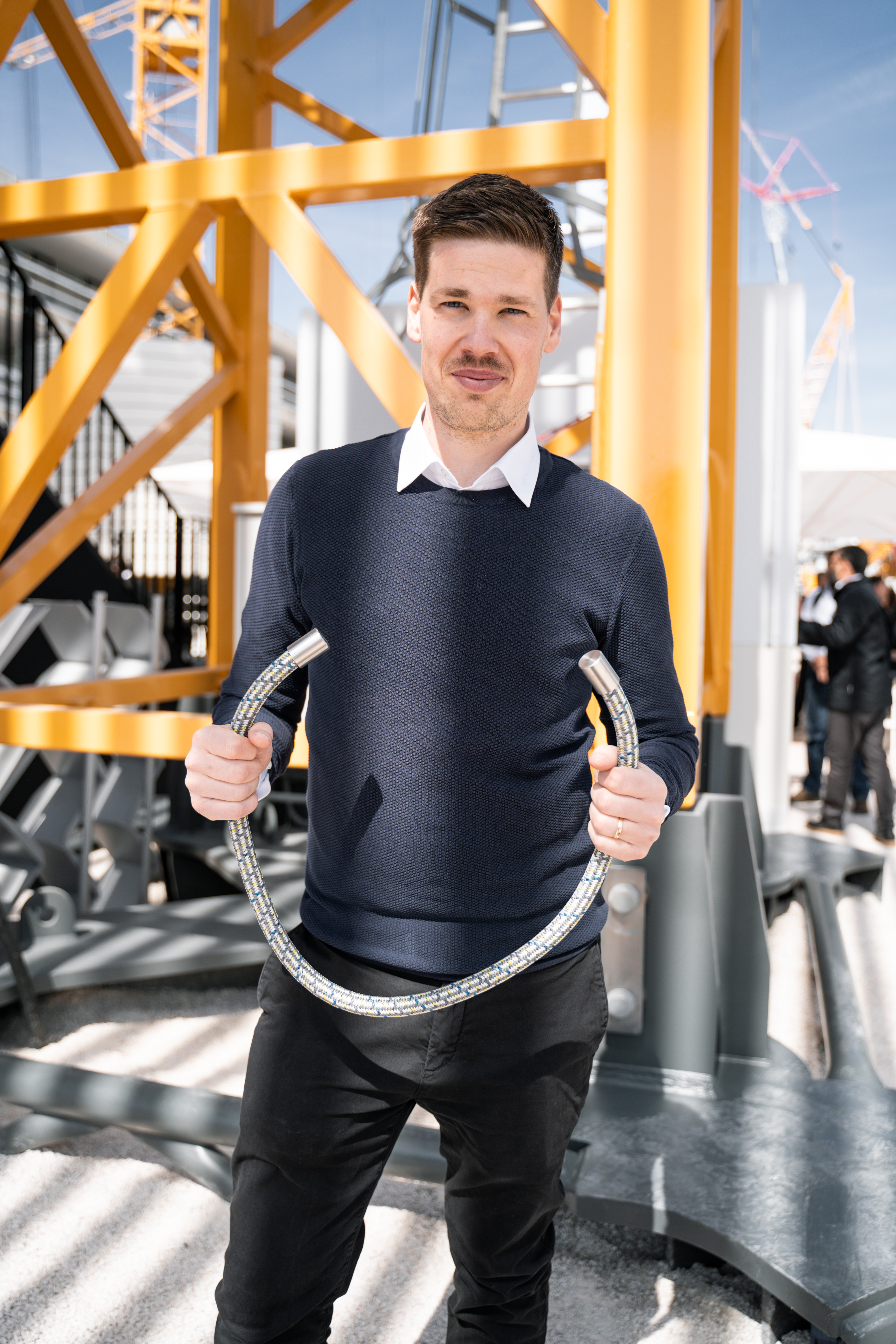
More experience, more confidence: six questions on the new period of use for Liebherr fibre ropes
Liebherr is increasing the period of use of its fibre ropes to up to 12 years in temperate climates and up to 8 years in hot climates, while the overall service life is rising from 14 to 16 years. But what's behind this decision, and why do all ropes already in the field benefit too? Six questions for Jochen Huber, Product Manager Fibre Technology at Liebherr, on the tests, the impact for customers on site, and the wider strategy behind Fibre technology.