
During the donation drive, which was organised jointly by the Plant Medical Service and the Liebherr Health Management department from 09 to 13 October at the Ochsenhausen site, a cotton bud was used to take a saliva sample from donors. The aim was to acquire new stem cell donors with different tissue types for the DKMS donor database. Every year, around 11,000 people are diagnosed with blood cancer in Germany alone – many of whom are children and young people whose only chance of a cure is often a stem cell donation. If a suitable donor can be found, a transplant offers a new chance at survival if chemotherapy has failed.
As a registered charity, the DKMS maintains the world's largest database of donors with over 6 million people registered. Over 4.3 million of these potential donors come from Germany. Since 1991, over 54,000 bone marrow and stem cell donations have been able to be arranged, of which around 48,000 were arranged by DKMS Germany.
Info box: Stem cell donation
Stem cells are formed in large quantities in human bone marrow. Since the tissue type of the donor and the person suffering from leukaemia have to match, the search for suitable donors is often like looking for the proverbial "needle in a haystack". Once the tissue types of a donor and cancer sufferer are found to match, the donor then decides whether they wish to donate their stem cells through a type of blood donation or a minor surgical procedure.
Anda mungkin juga tertarik dengan

06/10/2026
Press releases
A step up: Schweri opts for new Liebherr LTM 1300-6.4 mobile crane
Schweri Autokranbetriebe GmbH & Co. KG is putting an LTM 1300-6.4 into service. With this 300-tonne crane, the company is increasing the lifting capacity of its fleet and responds to increasing demands in wind power, industrial and precast concrete installation projects.
02/10/2026
Listicles
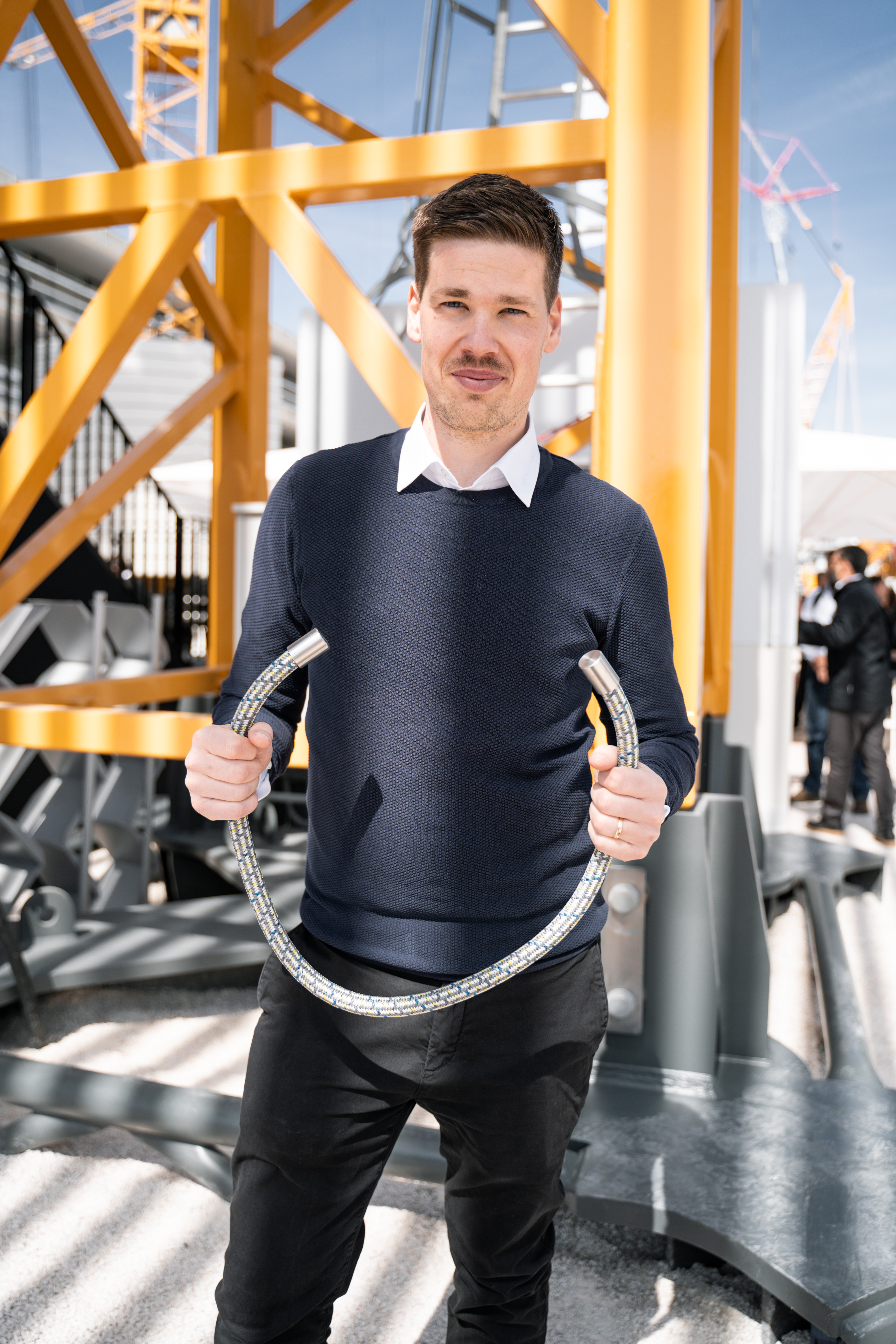
More experience, more confidence: six questions on the new period of use for Liebherr fibre ropes
Liebherr is increasing the period of use of its fibre ropes to up to 12 years in temperate climates and up to 8 years in hot climates, while the overall service life is rising from 14 to 16 years. But what's behind this decision, and why do all ropes already in the field benefit too? Six questions for Jochen Huber, Product Manager Fibre Technology at Liebherr, on the tests, the impact for customers on site, and the wider strategy behind Fibre technology.
02/10/2026
Press releases
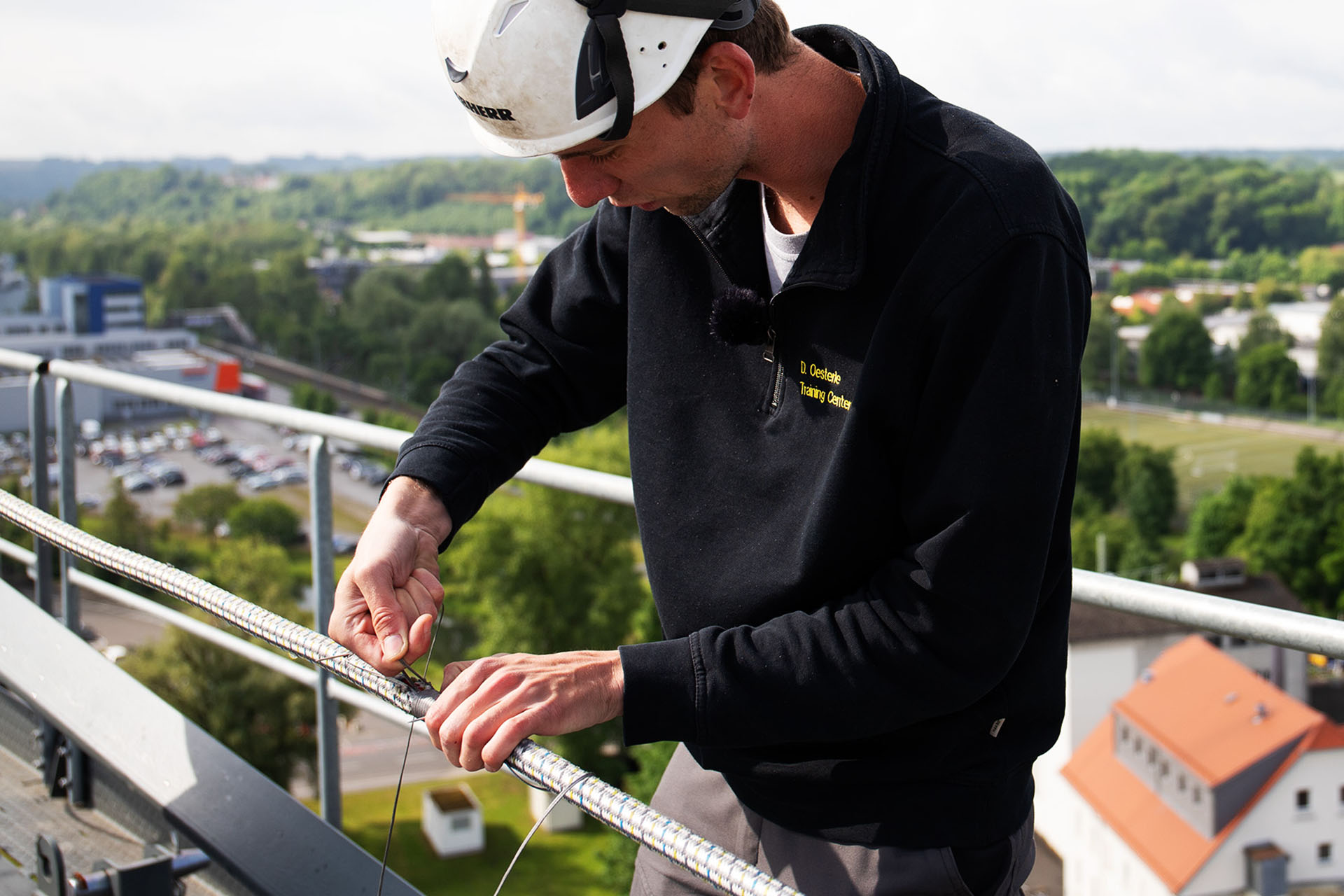
Liebherr is increasing the overall service life of its Fibre ropes from 14 to 16 years, with the decisive period of use rising to up to 12 years. This is based on multi-year ageing trials on test rigs and analyses of ropes already in field. The new ruling applies automatically to all new ropes and those already in the field. This step forms part of Liebherr's ongoing path towards establishing Fibre technology as the new standard in the tower crane market.