



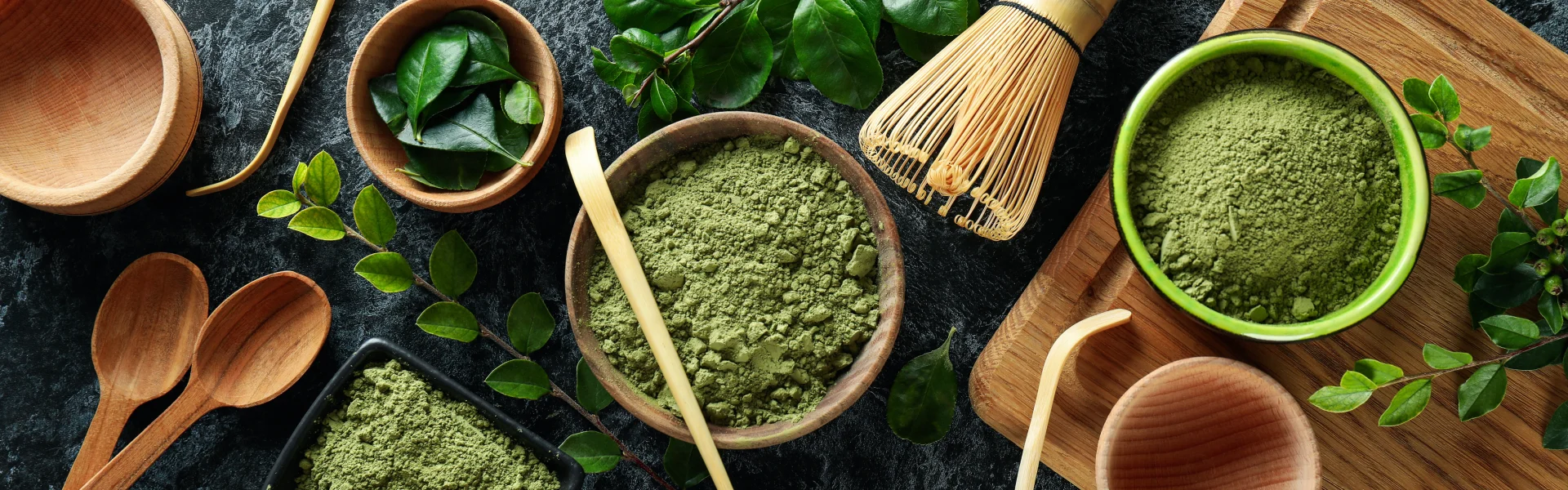
Matcha: the art of the green tea
In a creamy latte, a pure tea, or a stylish lifestyle drink: matcha hasn’t been “just a trend” for a long time. The intense green powder that comes from finely ground tencha has a unique flavour, a history rich in tradition, and contents that make it stand out against the average green tea. It’s impressive. But many still wonder: How healthy is matcha really? How much can you drink in a day? And is it perhaps a gentler alternative to coffee? In this article, you will learn what effect matcha has in your body, how much is a sensible daily amount, and what you should keep in mind when it comes to quality, preparation, and storage.
The key points
- Health: Antioxidants, possible benefits for cognitive functions, caffeine, and L-theanine.
- Caffeine content: 1–2 portions a day is harmless; 2 teaspoons of matcha (4–6 g) is plenty.
- Matcha vs coffee: gentler, a more even energy boost, and potentially better tolerated.
- Toleration and quality: can be consumed daily; make sure the matcha is of high quality and organic.
- Storage: store in a dark, dry, airtight place; not suitable for fridge storage (unless brewed).
How healthy is matcha really?
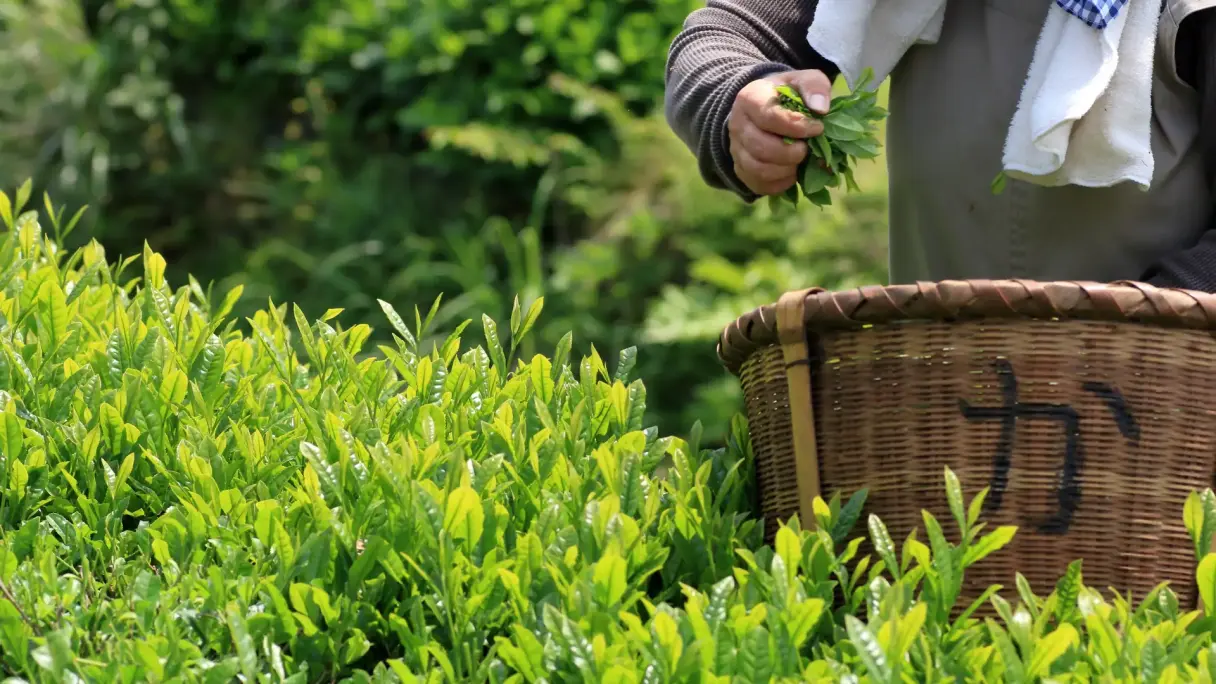
Matcha is a good alternative to a daily coffee.
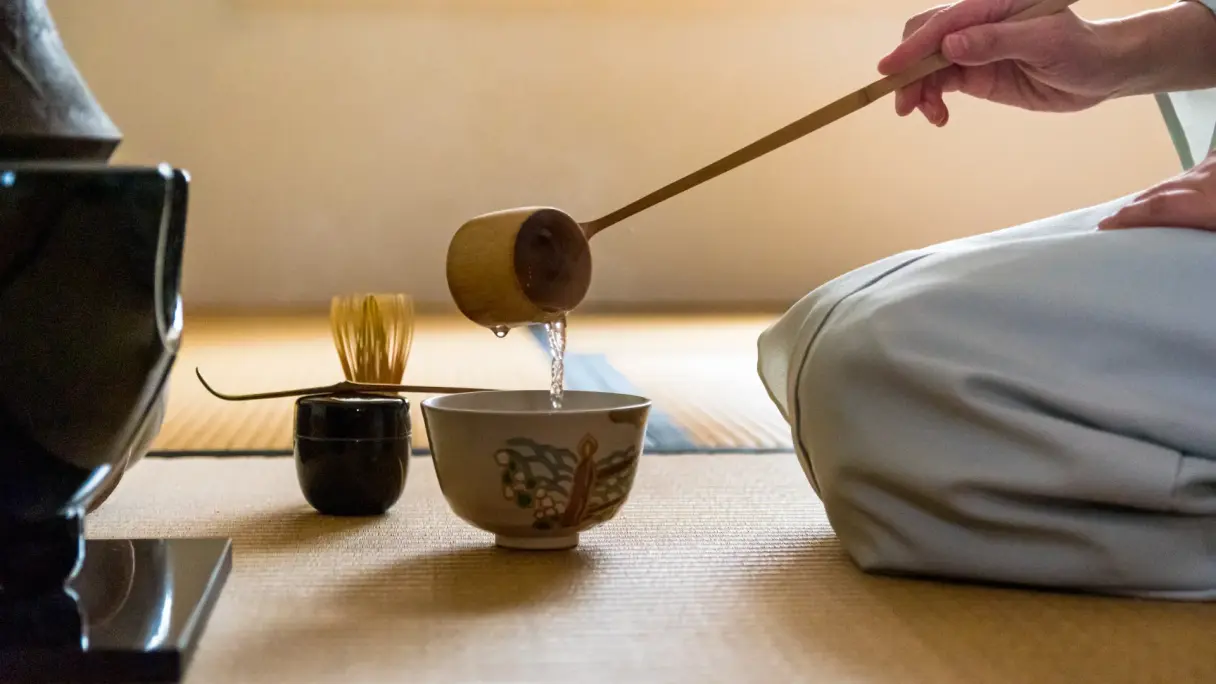
Matcha is finely ground tencha. It is a particularly high-quality and gently processed green tea, used in traditional Japanese tea ceremonies. The focus is on mindfulness,spirituality, and the precisely fixed order of the ceremony. Its popularity is also growing in Europe.
Matcha contains water-soluble vitamins, in addition to caffeine, fat-soluble vitamins, fibre, and proteins. Original matcha is essentially made from green tea and contains many B vitamins, for example.
Studies have reported that matcha tea has a positive effect on cognitive and cardiometabolic functions. This however remains to be proven. It is known that the secondary phytochemicals contained play an antioxidative and anti-inflammatory role. This means that they can protect cells and prevent inflammation in the body. Insufficient data means that no conclusions can be drawn on matcha’s relation to health.
For most healthy adults, around 1–2 portions of matcha (approx. 1–2 g per portion) per day is generally harmless, as long as they do not have a sensitivity to caffeine. Two teaspoons is equal to about 4–6 g and therefore plenty. People who are sensitive to caffeine or have cardiovascular problems should reduce the amount correspondingly.
You should also note that coffee contains more caffeine and if you have an intolerance, matcha may be an option to explore, as the L-theanine it contains slows down the absorption of caffeine. People who drink it generally report an energy boost that is more even and lasts longer.
Whether matcha is healthier than coffee is not a question with a clear answer. Both drinks have a positive impact on cognitive function and attention span, for instance. This is primarily a result of the caffeine they contain. If high-quality products are used, and not enjoyed in excess (around three cups a day is harmless), it can be part of a healthy diet.
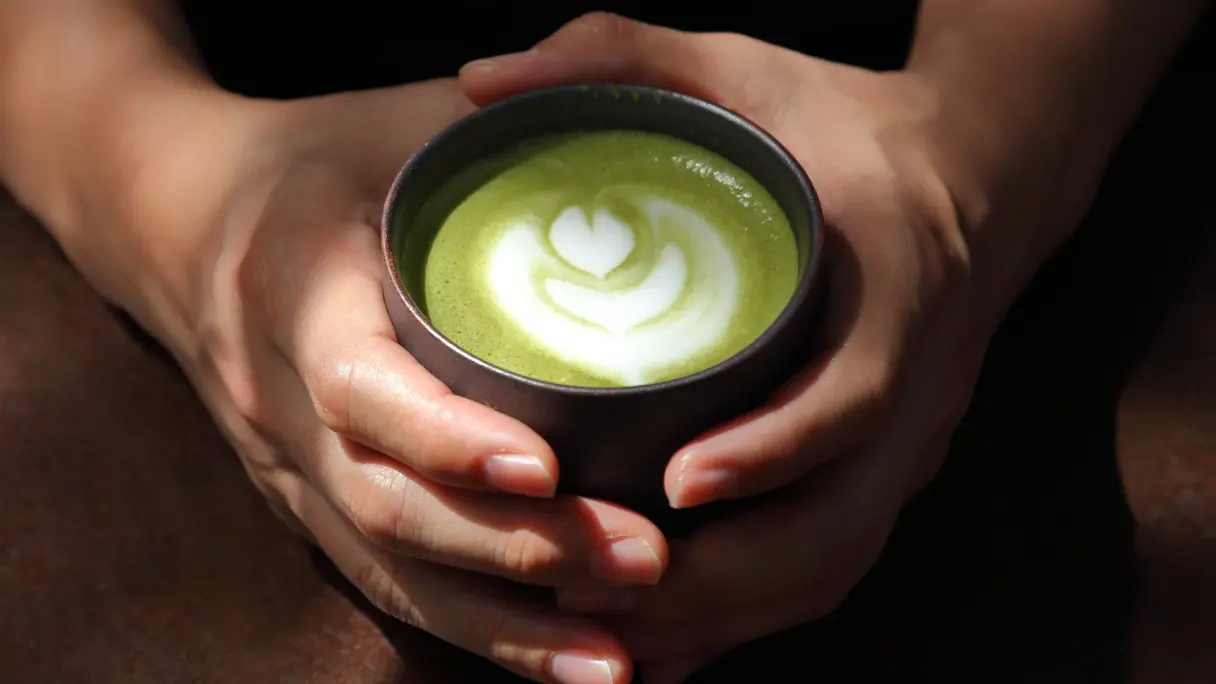
Matcha is finely ground green tea and provides vitamins, fibre, and proteins in addition to caffeine.
Is matcha easy to digest?
What effect does matcha tea have on your body and can you drink it every day?
Many people are swapping their daily coffee latte for a matcha latte. This is a good swap as many people cannot tolerate coffee well due to its high caffeine content and acidity. Green tea does contain caffeine, but is generally easier to digest.
If you tolerate it well there’s no reason you can’t drink it every day.
You should just make sure that you’re buying organic matcha, because the whole leaf is ground and you will therefore also be consuming any chemicals on it. There are also many sweetened matcha powders that can be dissolved in warm milk, like hot chocolate. To be pedantic, these are not traditional matcha, as traditional matcha consists only of ground tea leaves. Be aware of the ingredients. True matcha should be brewed in hot water and stirred with a matcha whisk.
What is the best way to store matcha?
Matcha tea is best stored in a cool, dark, dry place. It is not suitable for storing in the fridge , as the powder will be exposed to too much humidity and start to clump.
Matcha should always be stored in a dark place. Green tea contains chlorophyll, which is the cause of its green colour. Exposure to light quickly breaks down the chlorophyll and impacts the quality of the matcha. Light doesn’t just impact the colour; light-sensitive B vitamins and flavour can be lost.
It is best to store matcha in an airtight metal or ceramic container. This keeps the product safe from humidity and the scents of other foods.
The best way to check the shelf life is to use your own senses. Tea keeps for years in the right storage conditions, but its aroma may reduce slightly over time. Matcha that hasn’t been brewed yet should not be stored in the fridge, as it is too humid. Only brewed tea should be stored in the fridge, where it will keep for about three days.


This text has been machine translated from English.