


Liebherr’s Shanghai-based repair station for aerospace products, Liebherr-Aerospace China, has recently obtained its EASA Part-145 approval. The accreditation enables the station to maintain systems, parts and components in the class “Components other than complete engines or APUs”, and marks an important milestone for Liebherr-Aerospace in China.
The station offers up to 30 work benches, about 150 m² (1,600 sq ft) storage area for piece parts and line replaceable units as well as areas with state-of-the-art equipment for planning, receiving, cleaning, rework, testing, inspection and shipping. It is located on the site of Liebherr Machinery Service (Shanghai) Co. Ltd. It was set up to offer to airlines based in mainland China repair facilities, and thus to improve component support and repair turn-around times.
You might also be interested in

2026/11/09
News
Liebherr at MetroTrans China 2026: Innovative HVAC solutions for the railway industry
Liebherr-Transportation Systems participates in MetroTrans from November 9 to 11, 2026 in Guangzhou (China). In hall 19.1 at booth no. 104, visitors will be able to see and learn about the company’s capabilities in the urban railroad sector.

2026/11/05
Press releases
Liebherr-Aerospace strengthens its presence in Australasia
Liebherr-Aerospace is expanding its footprint in Australasia with a new representative office in Sydney, strengthening already existing as well as establishing new local relationships and intensifying customer services across Australia and New Zealand. Based within the Liebherr Group’s existing Pyrmont facility, the office reinforces the company’s commitment to the region, where the aviation industry is currently undergoing a significant period of fleet renewal and investment.
2026/11/05
News
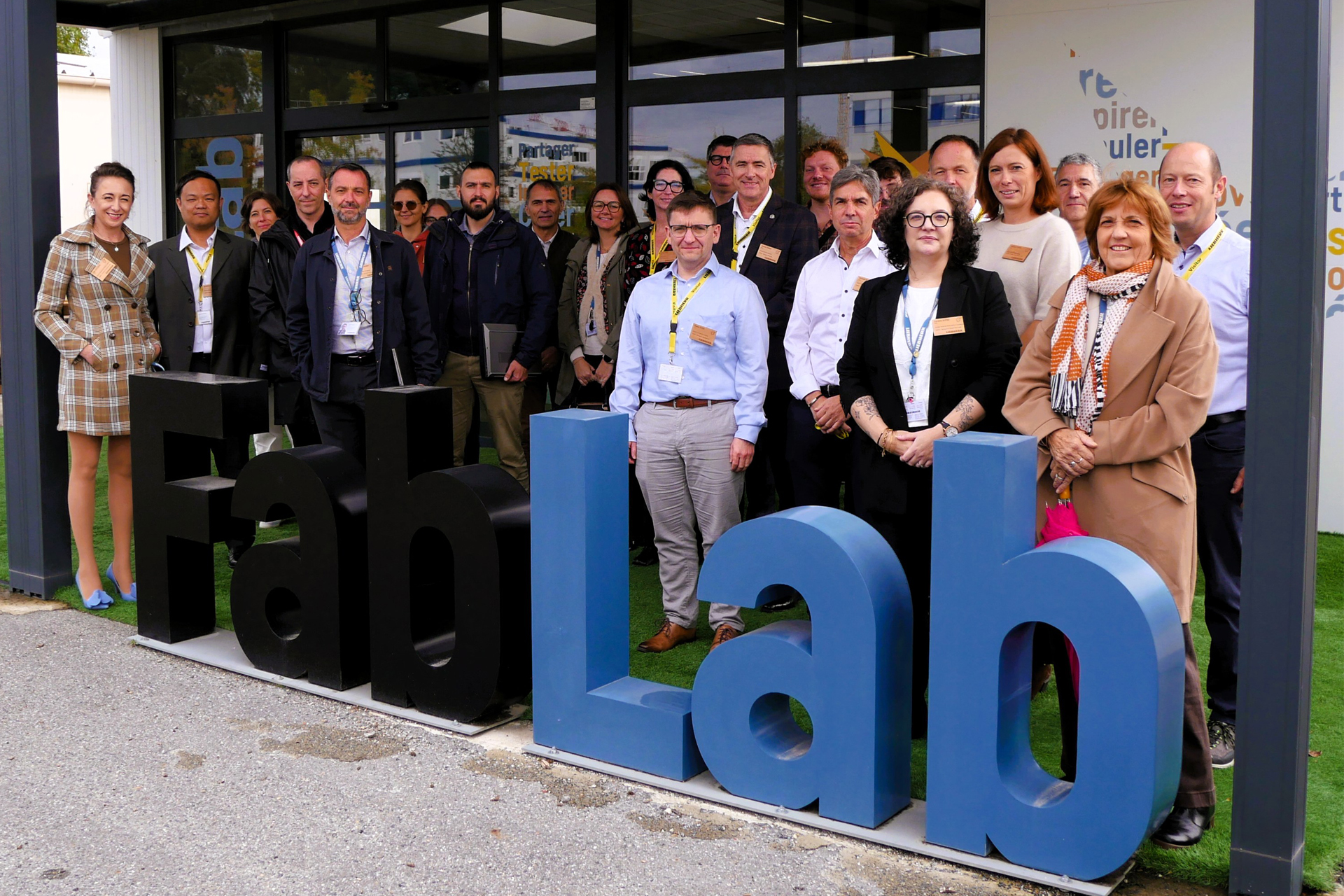
Sustainability Days foster exchange at Liebherr-Aerospace & Transportation SAS
At Liebherr-Aerospace & Transportation SAS in Toulouse, colleagues spent two days exchanging on corporate responsibility, supply chain integration, reporting requirements, and related operational challenges.