

Bread and cheese for wine tasting?
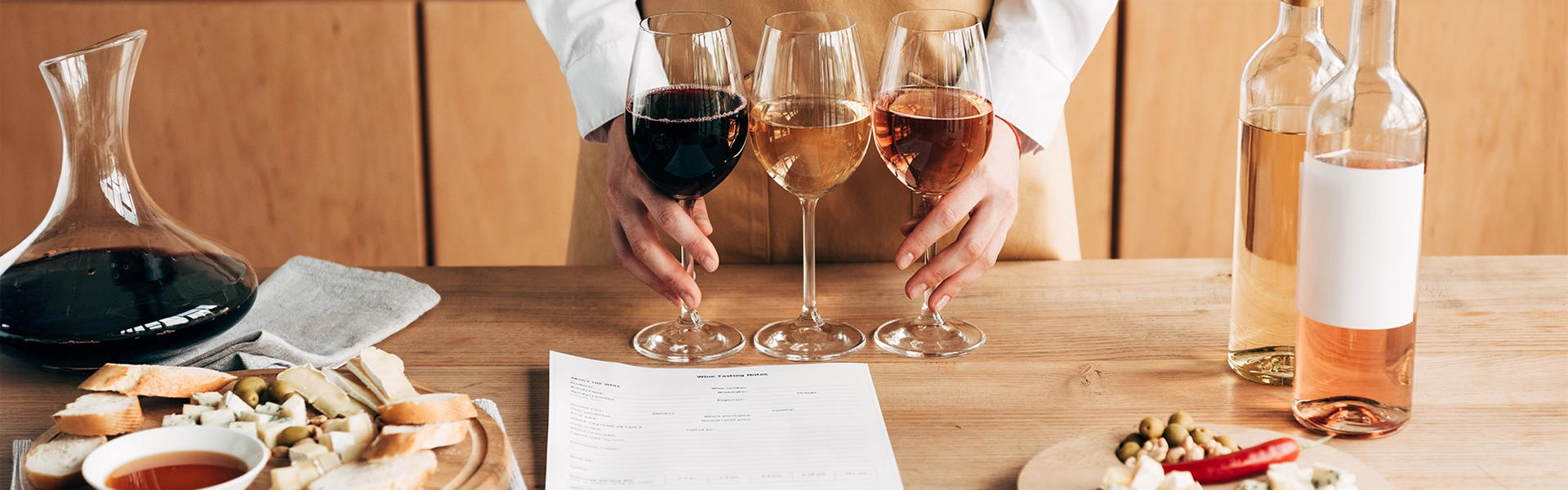
Wine tasting with fellow connoisseurs can be as enjoyable as it is informative. It’s best enjoyed with some fresh white bread, diced cheese or other small snacks so the wine tastes better and doesn’t go to your head as fast. On the other hand, this is undesirable in professional wine tasting – and the tasters don’t swallow the wine either!
The key points
- Snacks like bread and cheese are often served in wine-tasting sessions.
- Professional wine-tasting sessions don’t feature any snacks and the tasters spit out the wine.
- Bread can influence the taste of the wine.
- Palate neutralisation is usually not necessary.
- If you’re switching between wines, still water helps to cleanse the palate.
Wine tasting at wine fairs: insights into the professional world
It starts up again from March – the great wine tasting season. In the next few months, as the new vintage is gradually bottled and delivered, wine professionals will have a packed schedule. It’s no coincidence that all the major wine fairs (most of which are reserved for trade visitors) open their doors during this period. Prowein, which takes place in Düsseldorf in mid-March, heralds the start of the wine year for professional buyers and journalists, followed in the spring by the other major European trade fairs such as Vinitaly in Verona or the London Wine Trade Fair.
However, the professional tasting of wines at these trade fairs differs not just in the huge abundance of wines that are presented from the kind of wine-tasting sessions that you might enjoy with your friends, at a wine merchant or winemaker, but also in many other details that may be surprising to a layperson.
Professional wine tasting: tips from wine professionals
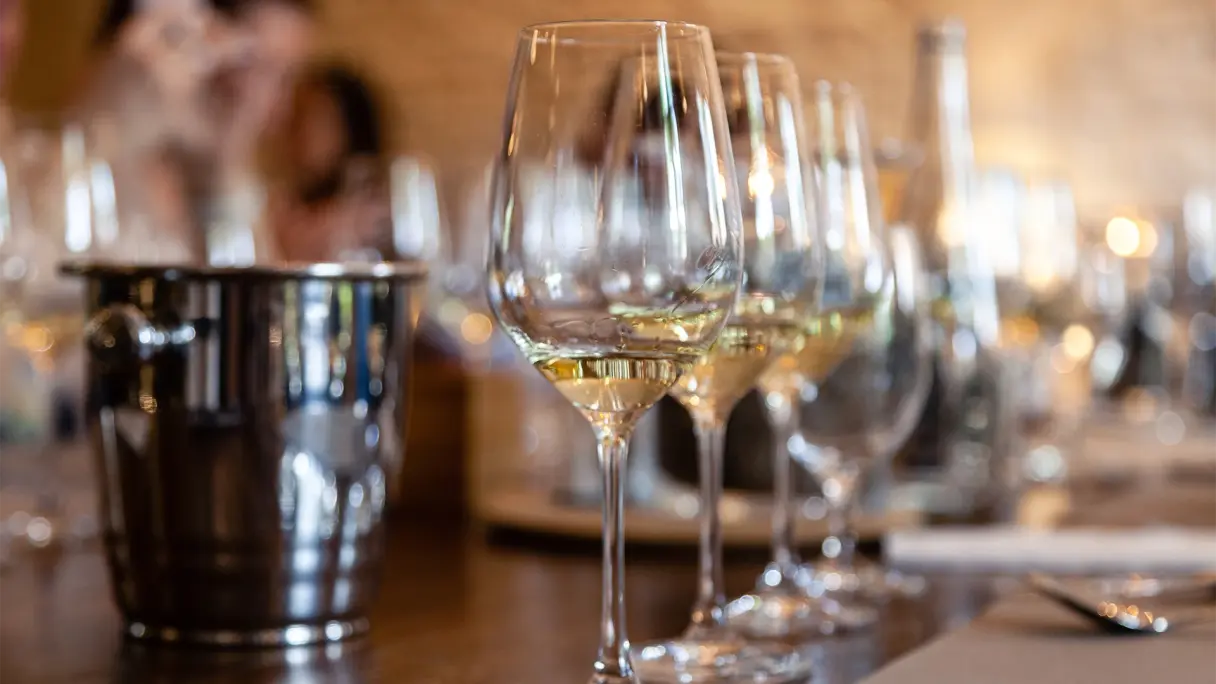
At a professional wine-tasting session, no cheese or bread is served and the tasters don’t swallow the wine either.
For example, with the professionals it’s very much frowned upon to swallow the wine – after the sample sip has been analysed, it’s always spat out again into containers that are set up specifically for this purpose. This is unavoidable, quite simply because of the sheer volume of wines to be tasted: it’s not uncommon for diligent wine tasters to taste over a hundred samples in a day.
Another distinction between professional tasting sessions and more leisurely wine tasting is the complete absence of any bread or similar snacks that wine lovers like to nibble on between two wines to ‘neutralise’ their palate.
That’s because the bread is unfortunately not quite as neutral as people like to assume, but does in fact have a not insignificant influence on the senses. The reason for this is that the starch in the flour is to a certain extent converted into sugar when it is chewed in the mouth, and this then often makes the acidity appear higher than it actually is when you sip the next wine.
It’s a similar situation with nuts or almonds, which are also often served at private wine-tasting sessions, but are not welcomed by professionals.
Neutralising the palate between wines
Incidentally, neutralising the palate after each wine is not necessary. The complex taste of a new wine will almost completely erase the taste of the previous one.
Only when changing the type of wine, so when switching from heavy red wines to light white wines or in particular from sweet to dry varieties, will a wine professional take a sip of water (preferably still) to ‘cleanse’ the tongue.

The author
Frank Kämmer
I have worked for many years in high-end restaurants and in this time became one of the top sommeliers in Europe. In 1996, I achieved the title of Master Sommelier, the highest international qualification in my profession. Today, I work primarily as a consultant in the international wine and gastronomy sector. I have also published numerous books on wines and spirits and was the first German to be accepted into the British Circle of Wine Writers.