



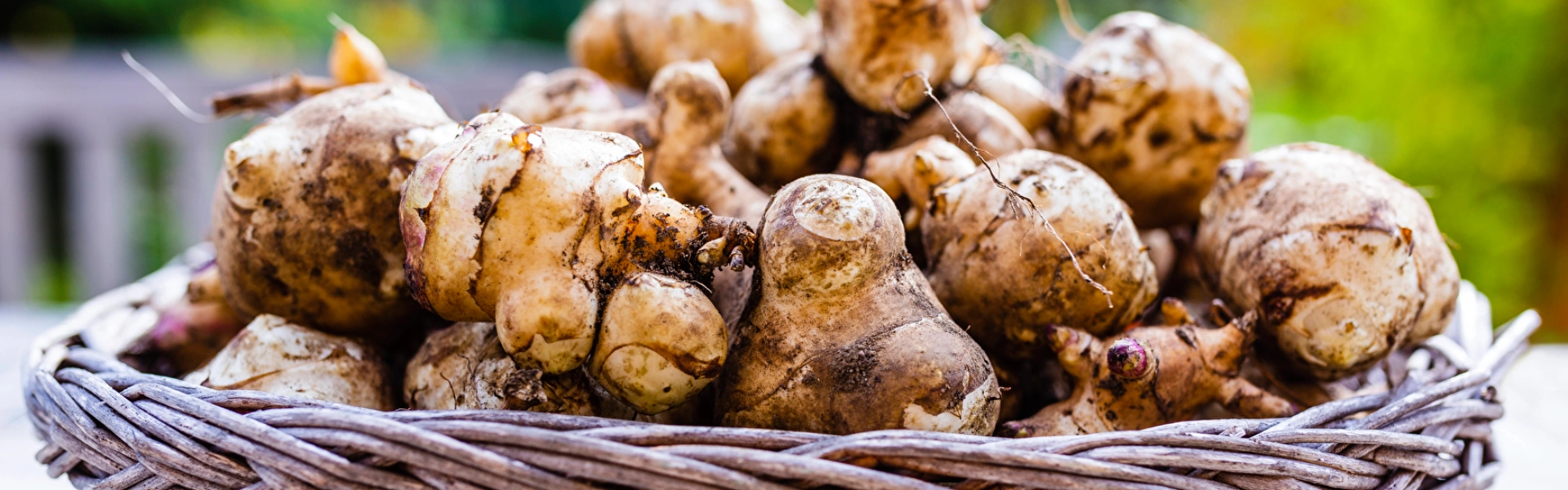
Jerusalem artichoke storage: preserving and freezing
Storing Jerusalem artichokes correctly is key to keeping these delicate tubers fresh, juicy and full of flavour for as long as possible. The root vegetable is particularly sensitive to dry air and warmth, but with the right storage conditions it can be preserved surprisingly well. In this article, you’ll learn what really matters when storing Jerusalem artichokes, which common mistakes to avoid and how to keep them fresh over a longer period of time – without compromising quality.
The key points
- Jerusalem artichoke storage: up to 28 days in the BioFresh Fruit & Vegetable safe of a Liebherr fridge
- Alternatively: approximately 10 days storage in a normal fridge compartment or vegetable compartment
- To extend the storage time in a normal fridge compartment: wrap the Jerusalem artichoke in a damp cloth and change the cloth regularly
- Long-term storage: in a box with moist sand, Jerusalem artichokes buried 5 cm deep can be kept for up to 3 months
- Preserving Jerusalem artichokes: make syrup and powder
Jerusalem artichoke storage
Fresh Jerusalem artichokes thrive best in a moist and cool place. That’s why the BioFresh Fruit & Vegetable safe in a Liebherr fridge is the ideal place to store Jerusalem artichokes. You can store Jerusalem artichokes here for up to 28 days at just above 0 degrees and humidity.
Jerusalem artichokes can be stored in the fridge compartment or a vegetable compartment without an optimal climate for about 10 days. If you wrap Jerusalem artichokes in a damp cloth, you can keep them fresh a little longer. To do this, however, you must keep the cloth damp with cold water at regular intervals.
Tip for long-term storage of Jerusalem artichokes without freezing: a box of damp sand. Bury the tubers about five centimetres deep in the sand. Jerusalem artichokes can be stored in a cool cellar for up to three months.
Preserving Jerusalem artichokes
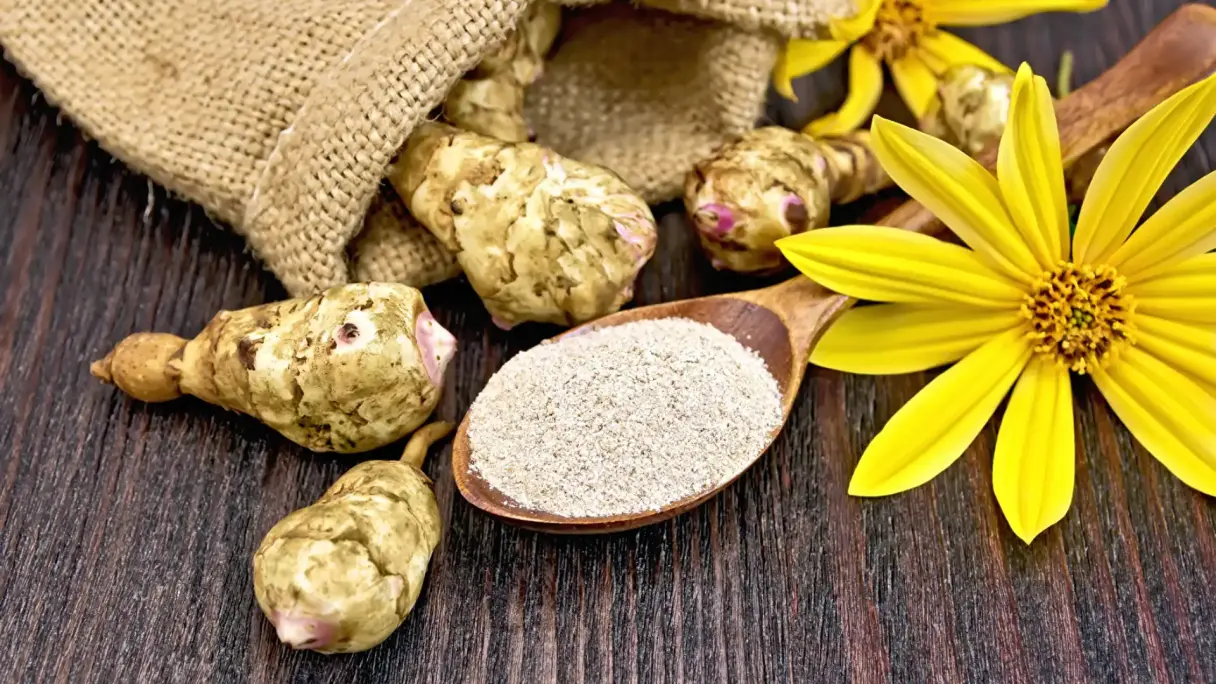
There are two ways to preserve Jerusalem artichokes: syrup and powder can be made from the tuber.
Make preservable syrup: cut the Jerusalem artichokes into small pieces and then boil them in a little water for about an hour. The thin skin of the tuber does not necessarily have to be removed. Then strain the mixture and press out the remaining pieces.
Bring the liquid to a boil again. Then reduce to the desired consistency. It is not necessary to add sugar in the case of Jerusalem artichokes. Pour the syrup into sterilised jars while still hot.
You can add the Jerusalem artichoke syrup to your dishes. It is particularly suitable for desserts, jams, muesli, as a spread, or as an alternative to sugar in baking. Infused with hot water, it is also delicious as a hot drink.
The second way to preserve Jerusalem artichokes: make powder. To do this, you should first slice them thinly and dry them in a dehydrator or at medium heat in the oven. You can then crush the chips in a blender and store them as a powder. The powder can then be used to make soups and sauces, for example.
Brief overview: freezing Jerusalem artichokes
- Thoroughly clean or peel Jerusalem artichokes before freezing
- Cut into small pieces for portioned defrosting
- Blanch the pieces briefly in boiling water
- Dry the Jerusalem artichokes and then freeze them straight away
- Note the date on the freezer bag or tin for a better overview
Freezing Jerusalem artichokes
Have you bought a large quantity of Jerusalem artichokes? Or harvested them from your own garden? If you cannot or do not want to process your tubers immediately, you can freeze Jerusalem artichokes.
Brush any dirt off your Jerusalem artichoke. To do this, thoroughly clean or peel the roots. Then cut them into small pieces so that you can defrost the desired amount in portions.
Blanch the pieces briefly in boiling water for a few minutes. Dry the Jerusalem artichokes and then freeze them straight away. You can also freeze your Jerusalem artichokes without plastic.
Note the date on the freezer bag or tin you use to freeze your Jerusalem artichokes. This allows you to keep a good overview of your provisions.
History of the Jerusalem artichoke
Jerusalem artichokes, brought to Europe from America in the 17th century, were an important food and animal feed until the 19th century, when they were replaced by the potato.
The tuber is currently experiencing a culinary renaissance and is closely related to the sunflower. The best harvest time for Jerusalem artichokes is from October to March.
Appearance and flavour of Jerusalem artichokes
Jerusalem artichoke tubers look like a mixture of ginger and potato and vary in skin colour. They have a slightly nutty flavour and are reminiscent of artichokes when raw and sweet potatoes when cooked. The preparation options are varied, from salads to gratins.
Jerusalem artichokes are nutritionally valuable. They are rich in inulin. This helps to keep blood sugar levels stable, reduce cravings, and keep you full for longer. If you are not used to eating a high-fibre diet, the amount you eat should be increased gradually to avoid flatulence.
This might also interest you
Storing and freezing root vegetables
Find out how to store carrots, parsnips and other root vegetables perfectly – in the fridge, cellar or storage pit. Find tips on how to keep your harvest fresh and how to freeze it.

Freezing without plastic using these alternatives
Freezing without plastic: discover sustainable alternatives such as glass, stainless steel and wax wraps to keep food fresh in an environmentally friendly way!
Using up pumpkin leftovers – from drying to roasting to freezing
Find out here what you can do with pumpkin seeds and other parts of the pumpkin that are often thrown away.