



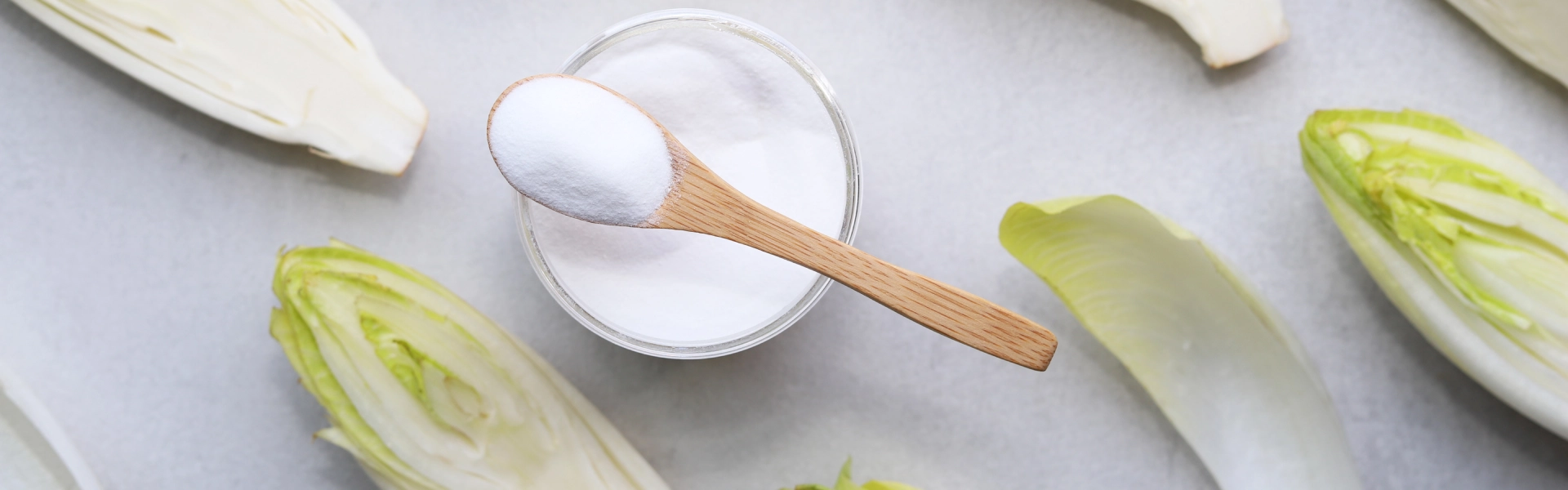
Inulin – the helper for our intestines
Inulin is a natural, water-soluble dietary fibre. It consists of fructose molecules strung together. We humans lack the right enzyme to break down inulin. As a result, it reaches the intestine undigested, which has several benefits for our health. Read on to find out to what extent inulin can be good for us and what the potential side effects are.
The key points
- Inulin is a prebiotic that serves as ‘food’ for beneficial intestinal bacteria.
- Improving the intestinal flora also has a positive effect on our immune system.
- As a sugar substitute, inulin can help you lose weight. Inulin also increases the feeling of satiety. As a dietary fibre, it can help with constipation.
- Foods particularly rich in inulin include Jerusalem artichokes, chicory, artichokes, onions and garlic.
- You can supplement your diet with inulin powder or capsules under medical advice.
The positive effect of inulin on our health
Inulin is a prebiotic. Even if it has not yet been conclusively proven, there is much to suggest that beneficial intestinal bacteria can multiply better with the ‘food’ inulin, which has a positive effect on the intestinal flora. Inulin binds water and swells. This increases the stool volume and the frequency of bowel movements. For example, inulin can be effective against constipation. In addition, the feeling of fullness is increased by the swelling, which can help with weight loss.
Inulin can also support weight loss when it is used as a sugar substitute. Depending on the length of the chain, it has a natural sweetness and significantly fewer calories. It also improves the consistency of yoghurt, for example, which becomes much creamier with inulin powder.
Our intestinal flora is closely linked to our immune system. They support each other. Improving the intestinal flora therefore has a positive effect on our immune system.
Inulin has no influence on our blood sugar levels. This makes inulin-rich foods particularly suitable for diabetics.
Inulin can have a positive effect on us not only internally. As an additive in care products, it can moisturise skin and hair. It is particularly suitable for curls as it helps to prevent frizz and increases the bounce of the curls.
Inulin offers the same benefits in terms of intestinal health for your dog. However, increased consumption is also potentially critical for our four-legged friends. You can find out more about possible side effects in the next section.
Potential side effects of inulin
The benefits of inulin can quickly turn into the opposite with excessive intake (significantly more than 30 g per day) or if you have intolerance. If intestinal activity is stimulated too much, this can lead to flatulence, nausea and diarrhoea.
This can be counteracted by eating inulin in smaller portions and spreading it across several meals.
People with a sensitive bowel or with inflammatory bowel disease may experience discomfort even when consuming less than 10 g per day and should reduce their inulin intake if necessary and avoid dietary supplements containing inulin.
As inulin consists of fructose molecules, among other things, people with fructose intolerance should also pay attention to their inulin intake.
There is a myth that inulin is carcinogenic. It is possible that a high-fibre diet can increase the risk of liver cancer in people with a vascular malformation in which the blood from the intestine does not reach the liver. However, the basis of this study is not convincing. For healthy people, intake via food is harmless when it comes to the risk of cancer. Supplements with powder or capsules should only be taken with medical advice.
Where can inulin be found?
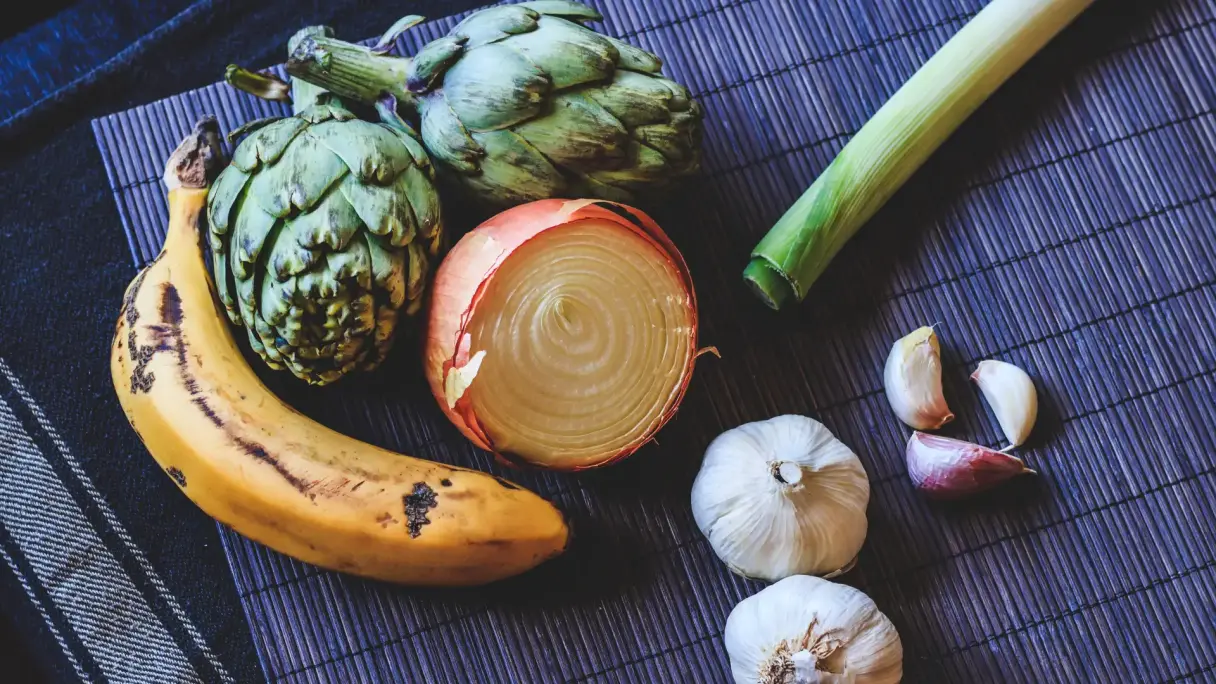
Foods particularly rich in inulin are asteraceous plants such as Jerusalem artichokes, chicory and artichokes, and lily plants such as onions and garlic.
You can also supplement your nutrition with inulin powder or capsules under medical advice. The powder is tasteless and can be dissolved in a glass of water or stirred into some yoghurt, for example. When baking, you can replace a small proportion of the flour with inulin powder. The capsules are easier to dose than the powder.
There is no specific time of day when it is best to take inulin. If you experience side effects after taking inulin, you should spread the dose over several times each day and take it with a meal.
This might also interest you

Here’s how to store Kombucha mushrooms
Read on to find out how to store and preserve Kombucha mushrooms and how to make the tea yourself.

Fasting properly – do we really need to detoxify our bodies?
Does fasting really help with detoxification? Find out what science says about this, what you should look out for and what alternatives are available. Read on to find out.
Fat-soluble vitamins
Read on to learn more about fat-soluble vitamins and why it is important for many vitamins to be ingested together with oil or fat.