



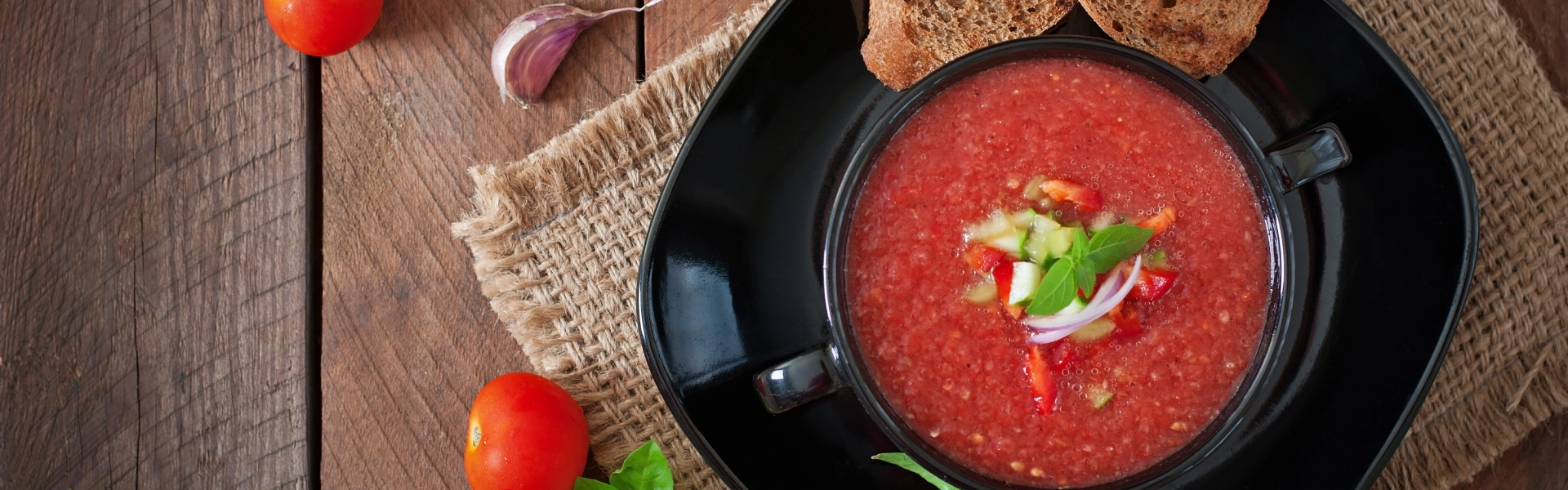
Freezing soup – how to keep it tasty and fresh
As the cold winter months approach, so does your hunger for warming stews and soups. From vegetarian soups to hearty stews: these dishes not only offer great value for money and excellent taste, but for those of us with busy schedules, they offer the greatest gift of all: simplicity. To find out everything you need to know about freezing and defrosting soup, read on.
The key points
- Soups and stews are ideal for freezing, especially if you avoid adding certain ingredients such as cream or noodles.
- Pureed soups are particularly suitable for freezing.
- Use freezer bags, jars or food storage containers for freezing and leave space for the liquid to expand.
- Soups can be kept in the freezer compartment for up to three months, clear soups even for up to six months.
Freezing soup – list of contents
Freeze soup in portions
It is advisable to freeze larger quantities of soup in smaller portions. This gives you the flexibility to defrost only as much soup as you need.
To keep track of everything in the freezer, it is helpful to label the frozen soup containers with the date they were made and the name of the soup.
It is important to freeze soup in an airtight container. Leave two to four centimetres of space between the soup and the lid. This prevents the lid from being pushed upwards and causing freezer burn Because soup expands when frozen.
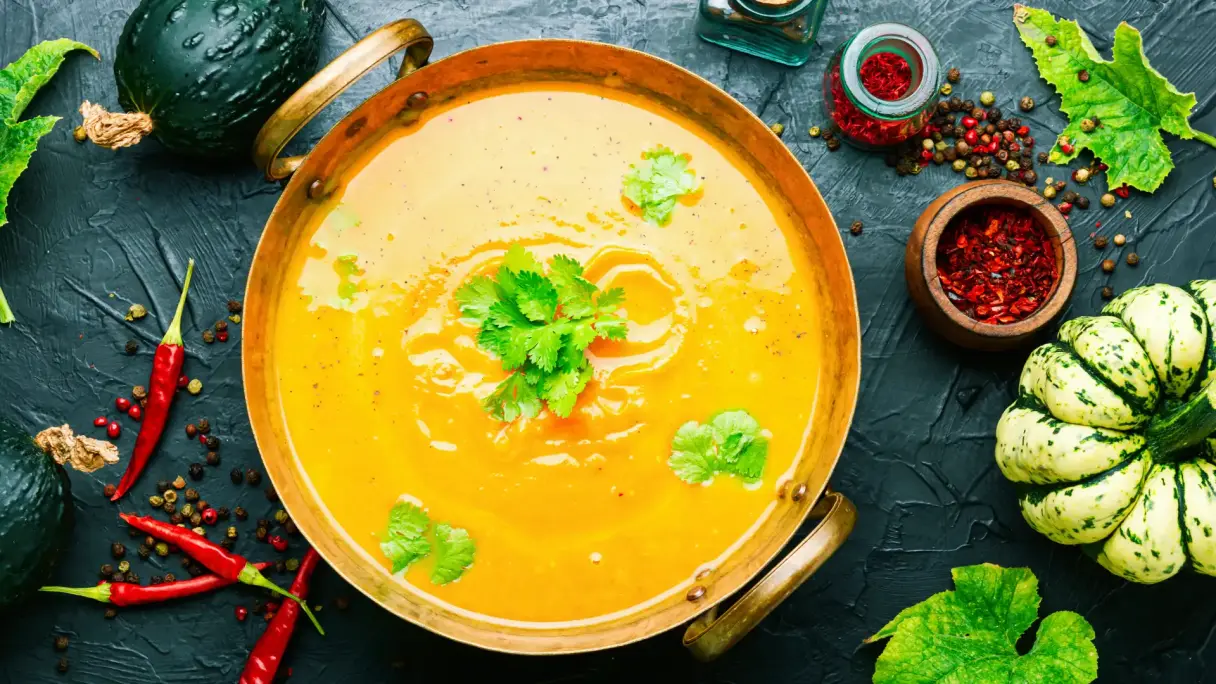
Freezing soup: which containers and vessels are suitable?
Freezer bags, glass jars and food storage containers have different advantages and disadvantages when it comes to freezing soup:
Freezing soup in freezer bags
Freezer bags are practical for freezing soup. They save space in the freezer compartment. Here’s a tip: place the bag in a plastic box to avoid spilling when pouring in the soup.
Pour in the soup, leaving a third empty. Then seal the bag and remove it from the box. Now the soup can be frozen.
Freezing soup in jars
Soup can also be frozen in screw-top jars. Important: do not fill them right to the top, otherwise they will burst in the freezer compartment. Allow the soup to cool before pouring it into jars. Then make sure the jars are properly sealed.
Freezing soup in food storage containers
Food storage containers are ideal for freezing soup. They are stable and stackable. Choose wide boxes for better expansion. Allow the soup to cool, then pour it in. Leave a little space and seal well.
Freezing soup in an ice cube tray
Freezing soup in ice cube trays is an effective way of storing small portions for later.
Allow the soup to cool. Then pour into an ice cube box. Do not fill completely, as the soup expands during freezing.
Once the soup has set in the freezer, you can pack the soup cubes into a freezer bag. This saves space and allows you to defrost and heat individual cubes quickly if required.
Freezing soup: you should not freeze the following soup ingredients along with the soup:
- Freeze noodle soups without the noodles; cook the noodles separately.
- Only add cream or milk to the soup once it has been defrosted.
- Do not fully cook the vegetables and potatoes in the soup before freezing.
Freezing soup: which varieties are suitable?
There are some important aspects to bear in mind when freezing soups, especially noodle soups, soups with cream or milk and soups with vegetables.
Pureed soups are particularly suitable for freezing.
Noodle soups should be frozen without the noodles, as they become mushy when defrosted and reheated. Cook the noodles separately and only add them to the portions that are meant for immediate consumption.
There are advantages to freezing soup without cream or milk. To prevent these ingredients from flocculating, they should be added after defrosting and heating.
For soups with vegetables or potatoes, the vegetables should not be fully cooked before freezing. This prevents the vegetables from becoming soft and mushy when defrosted and reheated.
This might also interest you

Freezing without plastic using these alternatives
Freezing without plastic: discover sustainable alternatives such as glass, stainless steel and wax wraps to keep food fresh in an environmentally friendly way!
Eating when you’ve got flu – speed up your recovery with these nutrients
Is there a full-blown flu outbreak and are you grappling with yet another annoying infection? We’ll tell you what food you should eat to combat flu.
Eat healthily: could food replace medicine?
Find out how eating healthily can boost your well-being. Valuable tips, nutrients and inspiration for a health-conscious lifestyle!