



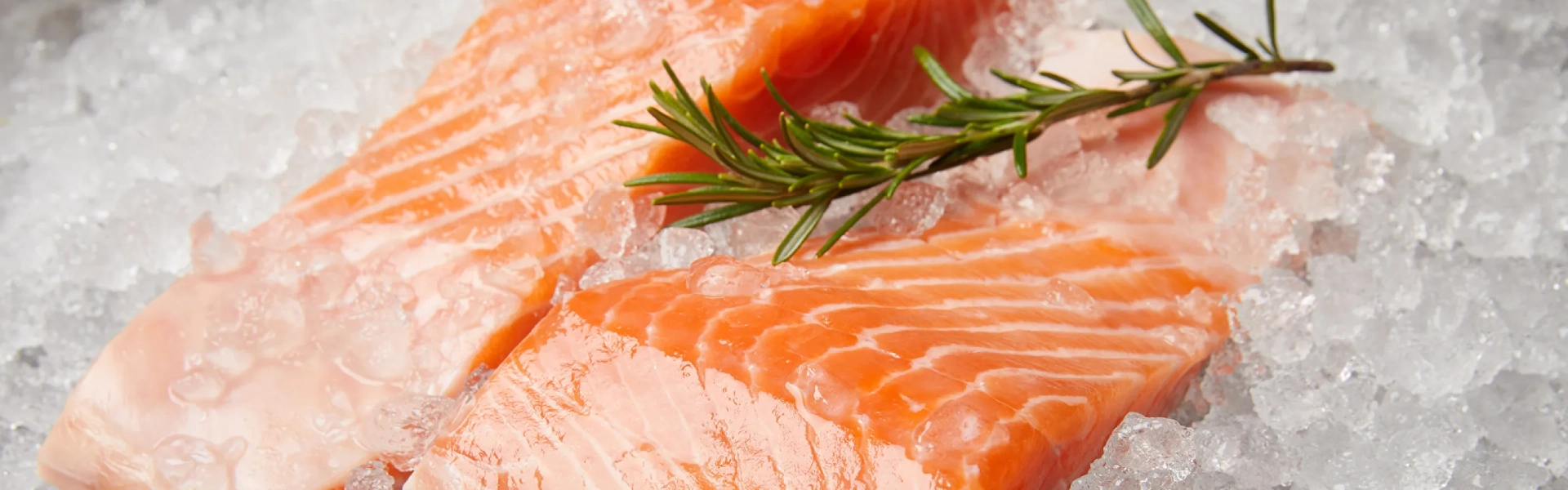
Defrosting fish: how to defrost fish without loosing any quality
Fish can easily be frozen well. But what is the best way to defrost fish? Why is it best to defrost frozen fish slowly? Why shouldn’t fish be defrosted in the microwave? Which method is particularly fast, but still gentle?
The key points
- Defrost the frozen fish overnight in the fridge.
- The quality and flavour of gently defrosted fish is similar to fresh fish.
- Fully defrosted fish can be bent gently.
- Do not defrost fish in the microwave if you need to cook it quickly.
- Use vacuum cooking or another gentle cooking method.
- Fish defrosts in a cold water bath within an hour.
Defrosting fish gently – in the fridge
Fish is best defrosted gently. More than anything, this requires time and patience. The slower you defrost fish, the less quality is lost. Defrosting fish in the fridge is a food-friendly method. It better preserves important minerals, vitamins and trace elements.
Gently defrosted fish is a safe food and hardly differs in quality and flavour from commercially available fresh fish. But how do you know if your fish is sufficiently defrosted?
Fully defrosted fish can be bent gently and has no frozen spots. If its consistency is similar to the fresh product, the fish is ready for preparation.
How long does frozen fish take to defrost? This depends on which method you use for defrosting. The slow method in the fridge is preferable. Fish takes up to 12 hours in the fridge to defrost completely. Place the frozen fish on a plate in the fridge overnight.
The temperature difference between frozen goods and the ambient temperature in the fridge is sufficient to ensure slow defrosting. This preserves the flavour and structure of the fish perfectly.
Make sure you catch any condensation that forms during the defrosting process. Place the frozen fish on a plate or in a bowl. Pour off the condensation the next day and dispose of it. You can dab off the remaining liquid on the fish with a clean paper towel and then dispose of it. This guarantees you the perfect crust when frying.
Fatty fish such as salmon and halibut hardly produce any condensation and only need to be patted dry after defrosting.
Defrosted fish should have the same odour and consistency as fresh fish. Defrosted fish can be stored in the fridge for up to 24 hours. Fish even stays fresh for up to 4 days in the BioFresh Fish & Seafood safe. If your fridge does not have a Fish & Seafood safe, it is best to use defrosted fish on the same day.
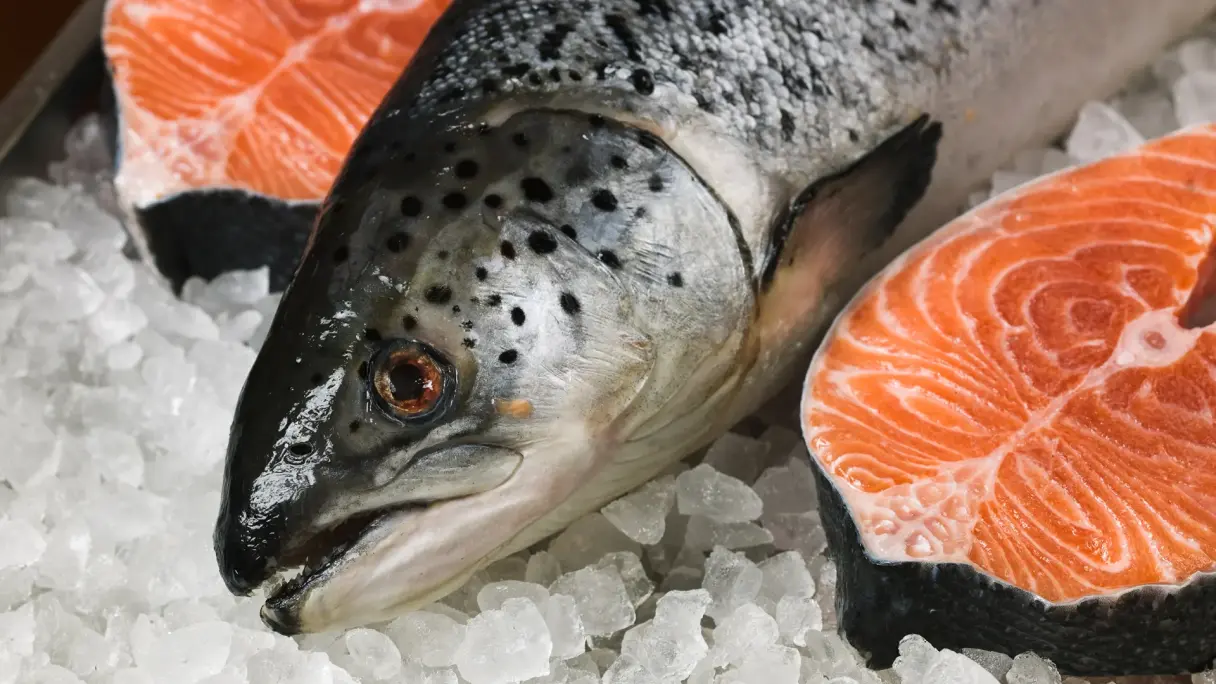
Defrosting frozen fish quickly – in the microwave
Short on time and still want to prepare your frozen fish as quickly as possible? Your first thought is probably to defrost the fish in the microwave. Although this method is quick, it often backfires.
So we do not recommend defrosting fish in the microwave. The microwave is often unsuitable for defrosting. This is because the distribution of heat in a microwave is uneven. This means that some of the frozen food starts to cook in hot places and is still frozen in others. Fish generally react sensitively to the smallest changes in temperature.
Fish fillets are also not the same thickness right across. The fish is thinner in some places and thicker in others. This means that not every area thaws equally quickly. In the microwave, the thin part is already cooked, while a thicker part is still half-frozen.
The microwave heat changes the flavour of the fish and the consistency suffers. Rapid defrosting of fish is not recommended, as excessive and rapid temperature changes can alter the cell structure of the fish. The fish loses its firmness. This is because the protein of the fish flocculates in the microwave and streaks form.
The condensation collects under the fish and the effect of cooking is intensified. The fish often cooks in the condensation.
Heating in the microwave interrupts the cold chain. The number of bacteria increases when heated in the microwave. You should eat the fish immediately afterwards.
But is there a better way to defrost frozen fish as quickly as possible?
Is it even necessary to defrost frozen fish before cooking?
You can also cook frozen fish without concern. It is important that you allow for a longer cooking time and realise that condensation will come out of the frozen fish. This can cause the fish to lose its juiciness. The best way to use the frozen fish is in a curry or soup.
A gentle cooking method can help prevent the fish from becoming dry. The flavour is also improved by a gentle cooking method such as vacuum cooking. We recommend a cooking temperature of less than 100 degrees.
Breaded fish can also be heated to higher temperatures without any loss of quality.
Defrosting frozen fish – at room temperature
To ensure that defrosting is as quick and safe as possible, you can use the room ambient temperature as a guide.
It is important not to simply place the fish on a plate and then wait.
Although defrosting at room temperature is quicker than in the fridge, it can also be dangerous. As soon as the ambient temperature rises, there is more bacterial growth. The quality of the fish suffers.
A better method would be to leave the fish to soak in cold water. Place the fish in a freezer bag or vacuum seal it. Then place the frozen fish in a large container of cold water.
Weigh down the fish so that it is completely submerged. After about an hour in a cold water bath at room temperature, your frozen fish will be defrosted and ready for cooking.
It is important to clean all objects and surfaces that have come into contact with the fish and rinse them with washing-up liquid. This minimises the risk of bacteria spreading.
The water bath turns your frozen fish into fresh fish in no time at all. You can prepare this as usual. Whether fried in a pan, as a curry, on the grill or in the oven. Take advantage of the variety of fish dishes and try to incorporate fish into your diet. It can enrich a healthy diet and provides you with important fats.
You might find this interesting…
Freezing fish: fresh, cooked, defrosted a second time?
Fresh fish is easy to freeze. Cooked fish too? Can defrosted fish be refrozen? Read on to find out how.
Grilling fish: perfectly cooked without sticking to the grill
Grilling fish made easy: Perfectly cooked, without sticking to the grill and using the right grilling method for full flavour.
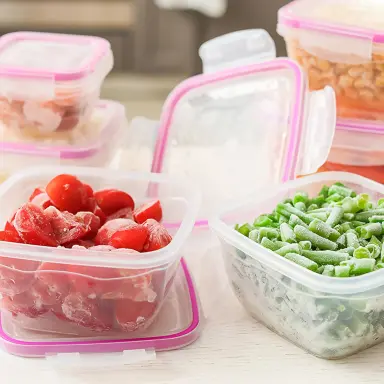
Freezing: it’s all about the packaging
Find out what you should look out for when choosing the packaging to freeze food in. Discover the most important criteria such as food safety, cold resistance and leakproofness to avoid freezer burn and preserve the freshness of your food.