

Peppers – calories, vitamin C and storage
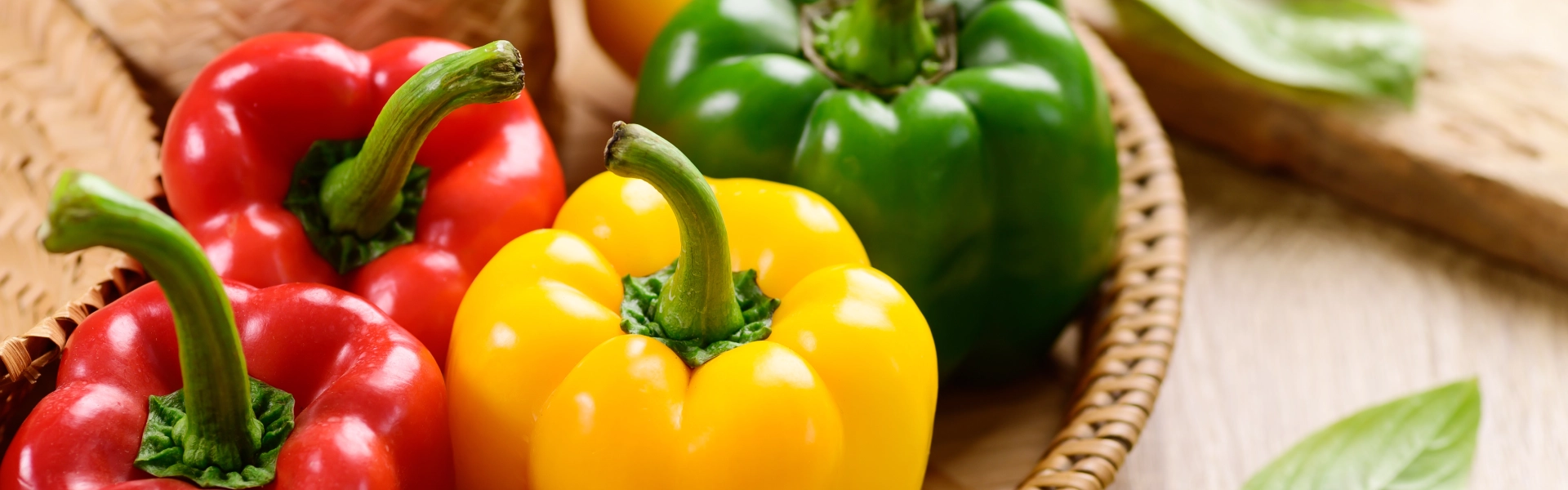
Peppers come in red, orange, yellow or green, as well as various shapes and varieties. They’ve conquered the globe and are a favourite in many cuisines. Whether sweet or hot, fresh and crunchy, or in the form of paprika powder, there are so many ways to use them. But what exactly makes peppers so popular and why are there so many different colours? We'll tell you all you need to know about these nutritious, juicy vegetables and how best to keep them.
Storage time*
| Larder compartment 12 °C for cold and light-sensitive food | 14 days |
| EasyFresh safe 7 °C with air regulation plate | 10 days |
| Fridge compartment 7 °C | 8 days |
| Freezer compartment -18 °C | 6 months |
The key points
- Peppers mostly consist of water and are therefore very low in calories, containing between 20 and 37 kcal per 100 g.
- Peppers contain dietary fibre in their skin and flesh.
- Peppers are rich in carotenoids: the redder they are, the more provitamin A they contain. 100 g of peppers is enough to cover your daily requirement.
- Peppers, especially red peppers, contain lots of vitamin C. One pepper is enough to cover your daily requirement.
- Vitamin C is broken down by heat, so you get more of it if you eat the peppers raw.
What’s in a name?
The name “pepper” comes from the vegetable's piquancy, which is similar to that of black pepper (peppercorns), although the two plants are not related.
Peppers – a member of the nightshade family
Peppers belong to the nightshade family just like eggplants, potatoes and tomatoes. What we buy in the shops are the fruits of the sweet pepper plant. Both bell peppers and chilli peppers are members of the genus Capsicum, which originated in South America, where they are thought to have been grown as a crop since 7000 BC. Today, they are cultivated all over the world and are a favourite ingredient in Asian and South American cuisine
Peppers – low in calories, high in nutrients!
What all types of peppers have in common is that they are healthy, rich in vitamins and low in calories. That’s because they mainly consist of water. Depending on the colour of the pepper, they contain between 20 and 37 kcal per 100 g. The reason for this is the carbohydrate content, which is higher in the sweeter red and yellow varieties than in the green ones. And peppers also have a lot else to offer!
Peppers contain both soluble and insoluble dietary fibre in their skin and flesh. Both types are good for the digestive tract and, combined with the high water content in the vegetable, help to quickly fill you up.
Peppers also have plenty to offer in terms of vitamins. The redder the pepper, the more carotenoids it contains – also known as provitamin A, an antioxidant substance, which is partly responsible for the colour. Just 100 g of peppers cover your daily carotenoid requirement.
Vitamin C – the pepper’s star turn
The colour of the pepper has little effect on the vitamin C content. They all contain relatively high amounts of vitamin C – on average 135 mg per 100 g. Just one pepper is enough to meet the adult daily vitamin C requirement of 95–110 mg. If you fancy conjuring up a vegetarian or vegan dish, it’s a great idea to throw in a pepper, because the vitamin C that it contains helps the body absorb iron from plant food. However, because vitamin C is sensitive to heat, it’s best to eat peppers raw.
Storing peppers
Peppers should be kept cool and dry in order to stay crisp and juicy. At room temperature, they’ll only stay crunchy for four days at the most, but in a dark, cool cellar, they’ll be good for up to two weeks.
In the EasyFresh safe of your Liebherr fridge, they’ll stay fresh for up to 10 days. It’s best to store peppers whole – once they’ve been cut, they’ll dry out more quickly as the surface area which is cut and therefore exposed is larger and the water evaporates faster. In addition, the vitamin C content in cut peppers decreases as the vitamin oxidises through contact with the air.
Freezing peppers
Is it possible to freeze peppers? Yes, peppers are very good for freezing.
After washing and chopping them, you can freeze peppers in a freezer with NoFrost, where they will keep fresh for about six months. You can cut the peppers to any size you want as hardly any vitamin C is lost at these cold temperatures. Because vitamins are, however, lost during cooking, it’s best to freeze peppers raw. This way, you can eat the crunchy vegetables throughout the winter and benefit from the vitamins!
Hotness of peppers
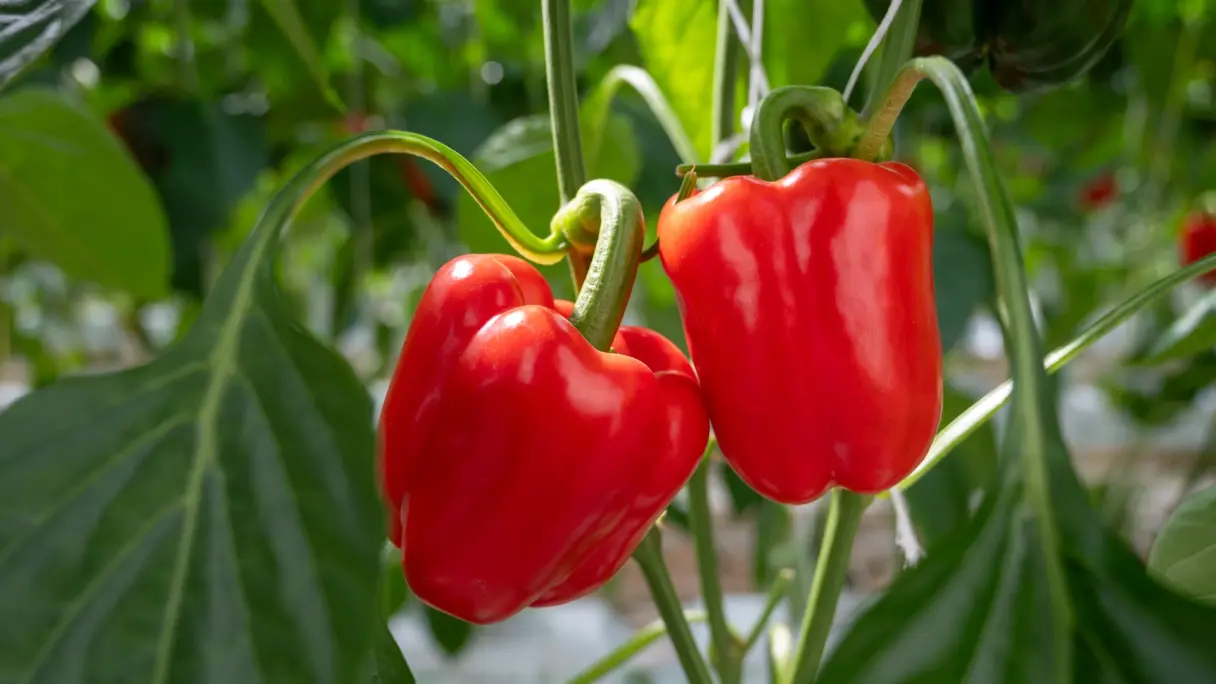
Did you know that peppers change colour from green to red as they ripen on the plant? This means that green peppers have simply been picked earlier. But what’s the difference between bell peppers and chilli peppers? The answer to this burning question – other than the visual differences – is mainly the degree of hotness. A substance called capsaicin is what makes peppers hot. Spicy varieties such as chilli peppers contain more capsaicin and are therefore hotter than their relations, the bell peppers. Capsaicin causes a feeling of heat and pain on the tongue. The heat of peppers is classified using the Scoville scale, which indicates the capsaicin content in the fruit. Ordinary bell peppers are classified as mild on this scale, cascabel or chilli peppers as spicy, jalapeños as medium hot and cayenne peppers as hot. The human body reacts to hotness with sensations of pain and even with the release of endorphins – happiness hormones – causing what’s known as the “chilli high”. However, the more often you eat hot and spicy food, the more your body gets used to it.
Effects of peppers on digestion and allergy risks
Some people who suffer from hay fever experience indigestion when they eat peppers. The two factors are closely linked, because people who are allergic to birch pollen are often allergic to peppers as well. In addition, the relatively tough skin can upset the digestion. Try peeling the peppers before eating them. This works best if you hot-roast them and then put them in a sealed container. After a short while, the skin can easily be peeled off.
*All specifications given are to be considered as guideline values, and depend in each case on the type of foodstuffs and on the proper storage without interruption of the cold chain from harvest/production through to the Liebherr appliance. Should food products have information about minimum shelf life, the date on the packaging always applies.