

Oats – well known for their high protein content
This well-known grain has a lot to offer our health and also impresses thanks to its wide range of uses: as you can see, oats are true all-rounders. We will convince you of the added value of oats: everything you need to know about proteins and nutritional values, as well as other exciting information about this versatile grain.
The key points
- Oats are high in protein, high-quality fat, fibre and micronutrients.
- With around 370 kcal per 100 g, oats provide long-lasting energy
- The fibre in oats aids digestion, lowers cholesterol levels and regulates blood sugar.
- Conventional oats are usually contaminated with gluten. People with coeliac disease may only consume certified gluten-free oats.
Oats: proteins, fibre and other nutritional values at a glance
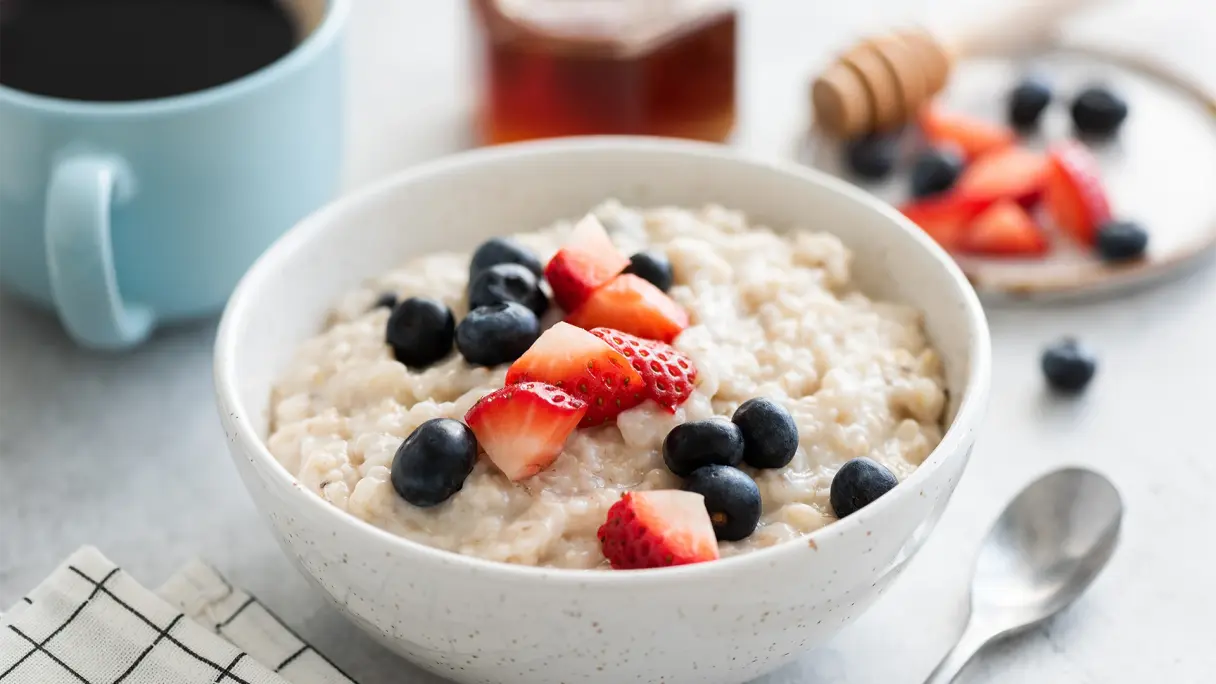
Oats stand out from cereals due to the much higher content of micronutrients and the highest fat content. The fat they contain is also very high quality, as it has a high proportion of the important unsaturated fatty acids. The protein content in oats also scores highly. Noteworthy micronutrients include phosphorus, magnesium, iron, zinc and vitamins B1 and E. Oats also enrich our health with antioxidants, especially so-called avenanthramides. Oats also contain a large amount of indigestible food components, i.e. roughage, which also makes a major contribution to our health. This roughage, for example, slows down the rise of the blood sugar level and has a cholesterol-lowering effect. They also keep you feeling full and, when combined with adequate fluid intake, ensure good digestion. With around 370 calories per 100 grams, oats are one of the most energy-rich grains. These calories come mainly from complex carbohydrates, healthy fats and high-quality protein, making oats a nutrient-dense and satisfying source of energy.
Oats form an indispensable part of a vegetarian or vegan diet. The reason is that, without meat, plant-based foods are needed as a source of iron. Oats are one of these suppliers of iron. We need a sufficient supply of iron for our blood to form and therefore to maintain our physical and mental performance. In a vegan diet, the high protein content of oats is also a plus point.
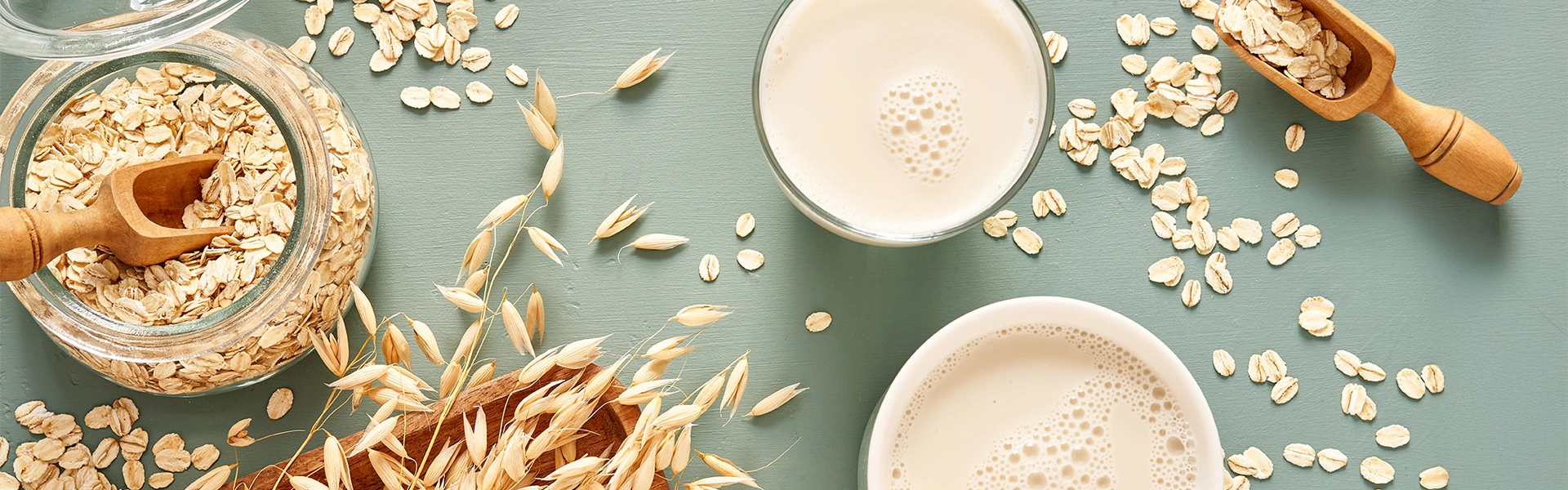
Oats are also right at the top of the list of milk alternatives, thanks to their high protein content: another reason why this healthy grain is such a valuable addition to a vegan diet. Ground flakes boiled with water form the basis of oat drinks. The pulp is then filtered and mixed with enzymes and vegetable oils to produce the milky liquid.
Oats and their effect on intolerances
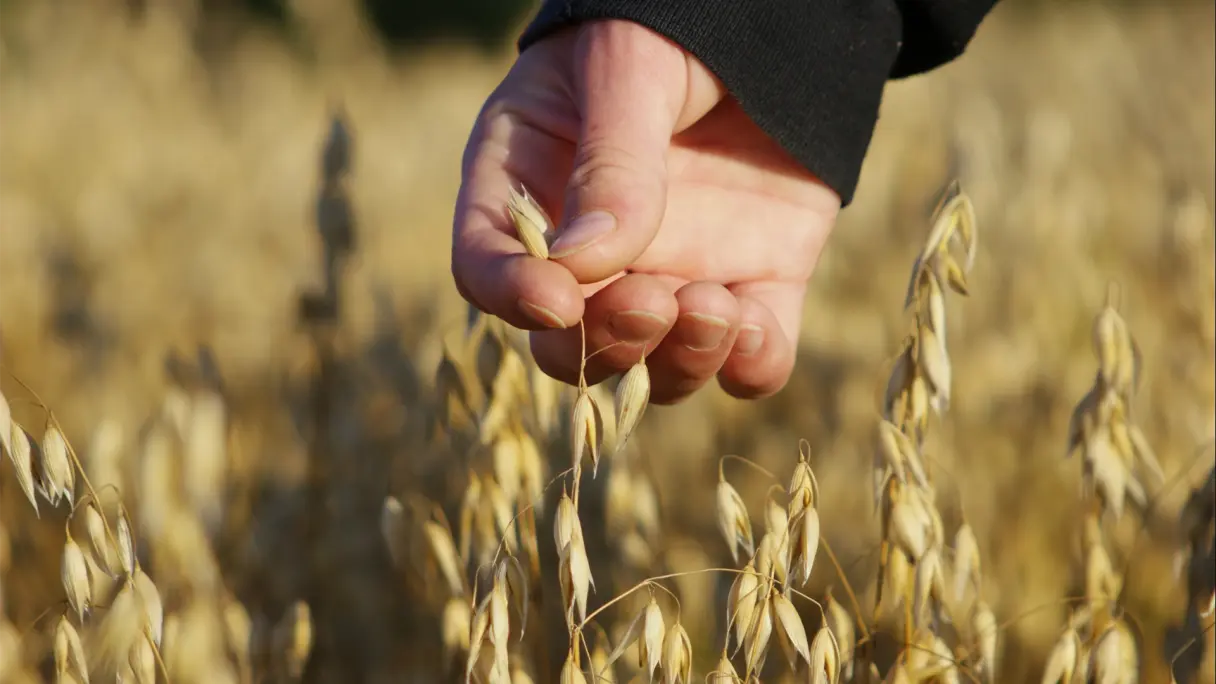
People with a gluten intolerance that causes coeliac disease must avoid gluten-containing cereals at all costs. Even the smallest amounts of gluten-containing cereals will otherwise lead to serious problems. Wheat, spelt, rye and barley contain gluten and are therefore taboo. Millet, maize and rice are excellent, while oats are a more contentious issue. The benefits gained from eating oats make it hard to dispense with them entirely. However, caution is advised.
Oats themselves are virtually gluten-free, they are heavily “contaminated” with gluten-containing cereals. It is due to this contamination that normal oat flakes are by no means suitable for people with gluten intolerance! The good news: special purification processes mean that gluten-free oats are now also available. Oats are then labelled as gluten-free and this is the only way for people with coeliac disease to consume them. However, in this case care still needs to be taken. Even though the majority of those affected can tolerate gluten-free oats, there are exceptions. The individual tolerance should be tested six months after diagnosis at the earliest and under medical supervision.