

Kiwi: calories, vitamins and how healthy they are
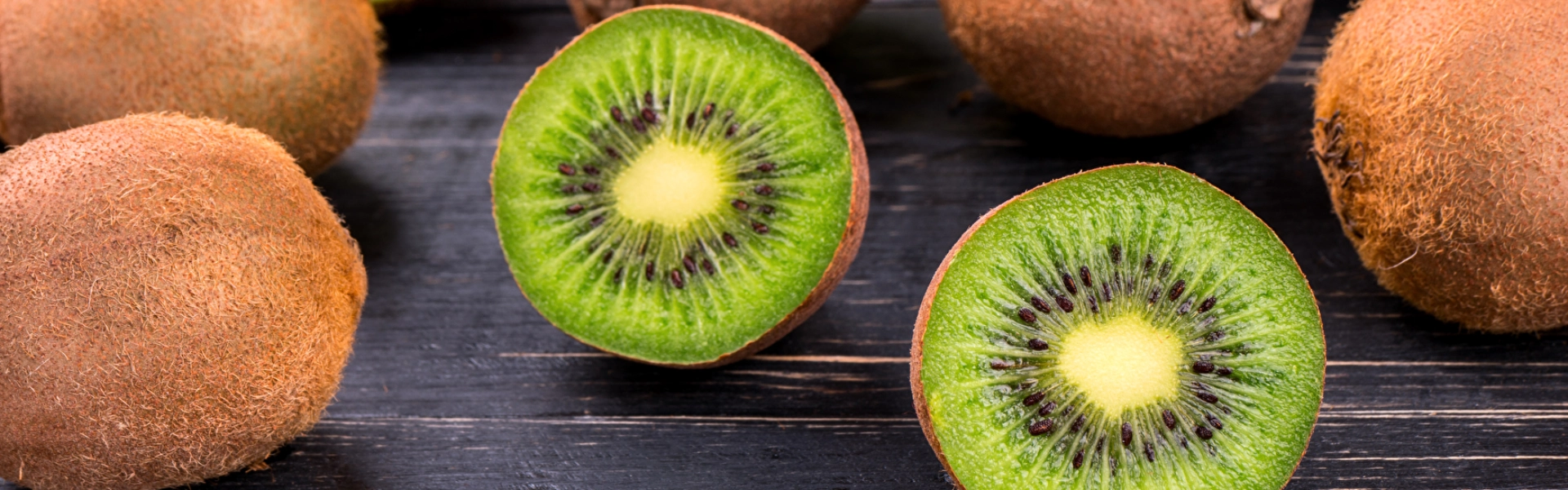
The kiwi is a nutrient-rich fruit that has numerous health benefits. This sweet and sour berry is rich in vitamin C. Read on to find out what nutrients it contains, how best to store kiwis and how you can incorporate this versatile fruit into your diet. We also provide practical tips on growing kiwifruit plants.
Storage time*
| BioFresh Fruit & Vegetable safe just above 0 °C with high humidity | 80 days |
| EasyFresh safe 7 °C with air regulation plate | 40 days |
| Fridge compartment 7 °C | 32 days |
| Freezer compartment -18 °C | 8 months |
The key points
- Kiwis are particularly rich in vitamin C.
- The skin of the kiwi is edible and contains valuable fibre.
- Kiwis are low in calories and are ideal for a healthy diet.
- Kiwifruit plants require a sunny location and should be planted in pairs.
- Kiwis are ideal for storing in a fridge and can keep for up to 80 days.
Are kiwis healthy? Take a look at their nutrients and vitamins
Kiwis are truly packed with vitamins. They are especially rich in vitamin C, which strengthens the immune system. Containing 71 mg per 100 g, just three kiwis meet an adult’s daily requirement. They also contain high levels of vitamin K, which is important for blood clotting. Their antioxidants help neutralise free radicals in the body.
Kiwis also contain folic acid, which is very important for pregnant women. Vitamin E keeps your skin healthy.
At around 61 calories per 100 g, they are a light snack. Kiwis are perfect for fruit salads, smoothies or simply as a snack between meals.
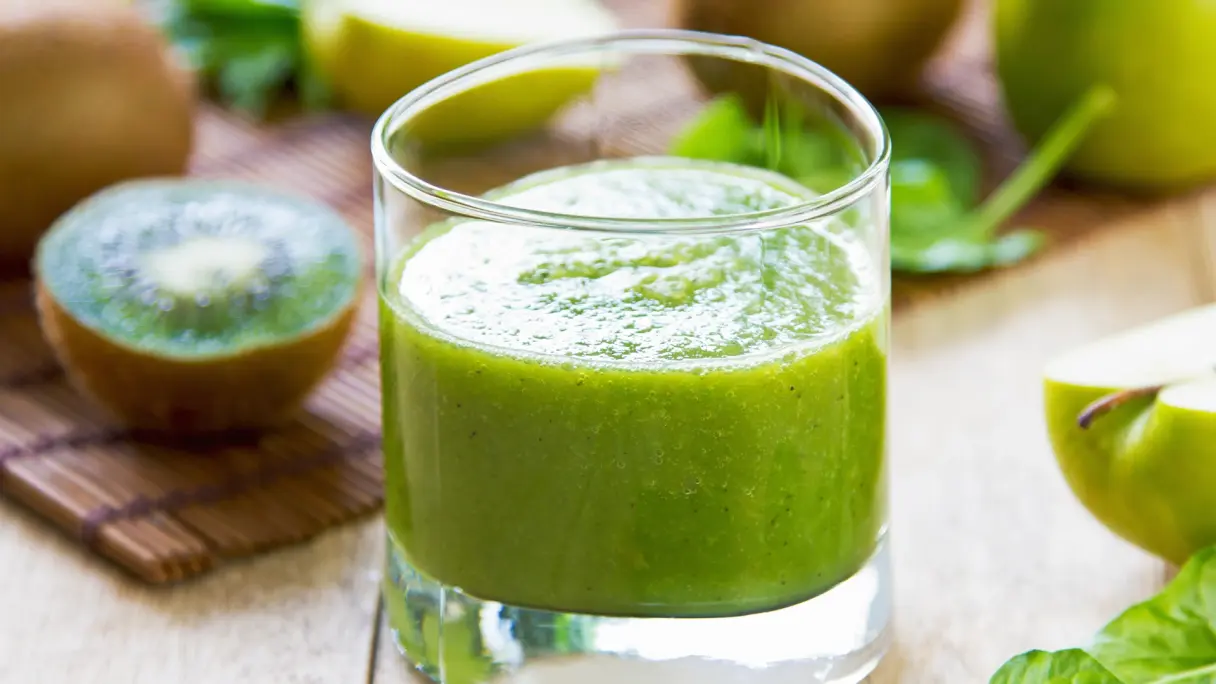
The fibre in kiwis aids digestion and can reduce the risk of heart disease. They also provide important minerals, such as potassium and magnesium, which contribute to your overall health.
Eating kiwis with their skin: benefits and tips
The skin of the kiwi is edible and contains lots of fibre and antioxidants. If you are able to get used to the furry texture, you will benefit from the additional nutrients.
To enjoy the skin, choose organic kiwis to avoid any pesticide residue. Wash the fruit thoroughly before eating.
An easy way to eat kiwis with the skin on is to simply slice or quarter them and enjoy them straight away.
Kiwifruit plant: tips for growing
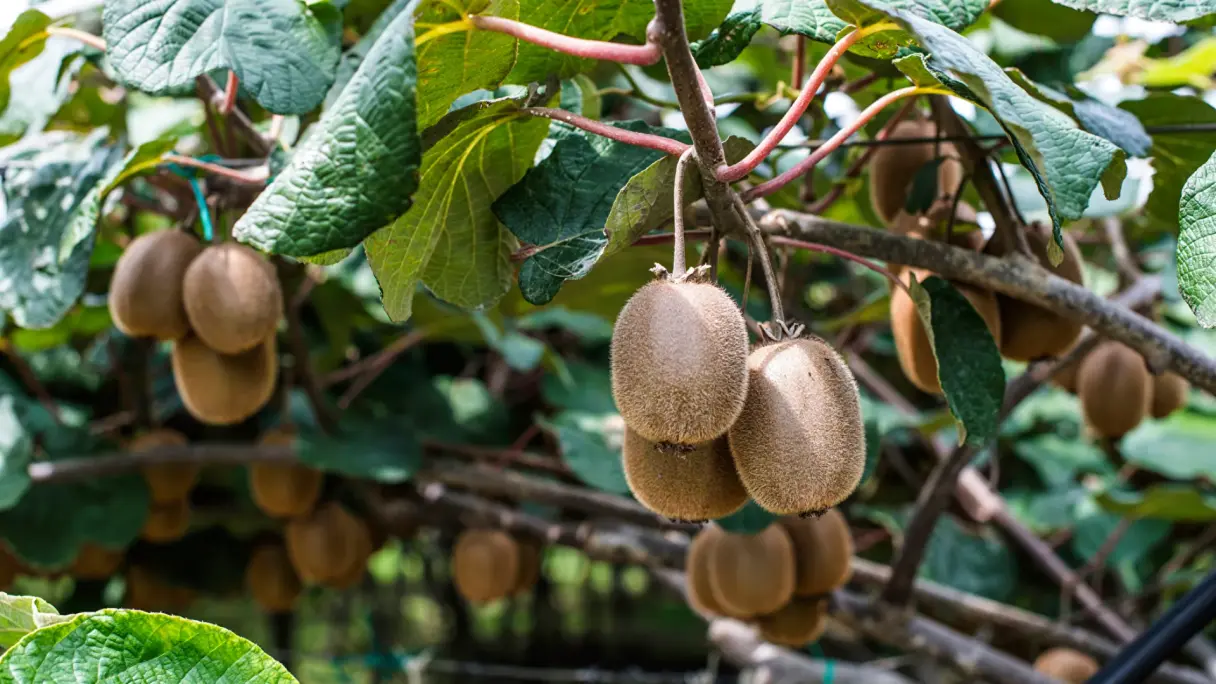
When looking at pictures of the fruit on sturdy branches, one might initially assume that kiwis grow on a tree. In botanical terms, however, the kiwi is a perennial climbing plant. This means that the plant likes to grow and cling to climbing frames or similar stable structures. Since the kiwi is a sun-loving plant, it can also be grown as sunscreen for protection from the sun.
Look for an organic label when purchasing. This ensures that they are not hybrid varieties that have been cultivated by means of biotechnology. Organic kiwi plants are grown without fungicides or chemical fertilisers. They are also open-pollinated, meaning that you can use the seeds for further propagation, unlike hybrid seeds.
If you want to grow kiwis yourself, select a sunny location that is sheltered from the wind. Kiwi plants require both male and female plants for optimal pollination. Young plants are ideal as they bear fruit after only two to four years. Make sure that you water the plants regularly and protect them from frost in winter. Pruning in late summer promotes growth and the formation of fruit.
Storing and freezing kiwis
Kiwis keep very well when stored in a fridge or freezer. Kiwis can be stored in the normal fridge compartment of a fridge for up to 32 days and in a BioFresh Fruit & Vegetable safe for more than twice as long, up to 80 days – depending on how ripe they are. However, be aware that bruising will reduce the shelf life.
You can also freeze kiwis for up to 8 months without any problems. However, keep in mind that kiwis contain a lot of water, so although they taste fine after defrosting, they will lose their firm texture. It is therefore a good idea to freeze kiwis in purée form, as the fruit purée can be used in many different ways after defrosting, e.g. for making smoothies and cocktails, cooking jam or as a dessert sauce.
*All specifications given are to be considered as guideline values, and depend in each case on the type of foodstuffs and on the proper storage without interruption of the cold chain from harvest/production through to the Liebherr appliance. Should food products have information about minimum shelf life, the date on the packaging always applies.