

Hokkaido pumpkin: calories, nutritional values and vitamins
As the first colourful leaves begin to fall from the trees, this heralds the start of pumpkin season with its warm, heartwarming recipes. The Hokkaido is the most popular of all the many types of pumpkin. But with the Hokkaido pumpkin, what exactly are its calories, vitamins and basic nutritional values? We’ll reveal what benefits the Hokkaido pumpkin offers and how healthy the vegetable really is!
The key points
- Few calories, lots of nutrients: the Hokkaido pumpkin contains only around 65 calories per 100 g, is low-fat and provides valuable beta-carotene, which can be beneficial to the skin, eyes and hair.
- Edible skin and seeds: the skin can also be eaten and contains a great deal of beta-carotene. The seeds can be roasted and enjoyed as a healthy snack.
- Versatile: whether it’s savoury or sweet – the Hokkaido can be used to make soups, breads or even low-carb desserts.
- Long shelf life: when it’s cut into bite-sized pieces, the raw pumpkin can be frozen for up to twelve months – ideal for stocking up.
Origin and nutritional values of the Hokkaido pumpkin
As its name suggests, the Hokkaido pumpkin comes from the island of the same name in northern Japan. Where the locals call it uchiki kuri. The Hokkaido pumpkin actually belongs to the family of berries and so botanically speaking it is not a type of vegetable. However, as the Hokkaido is used in a similar way to other vegetables, the term fruit vegetable is also commonly used.
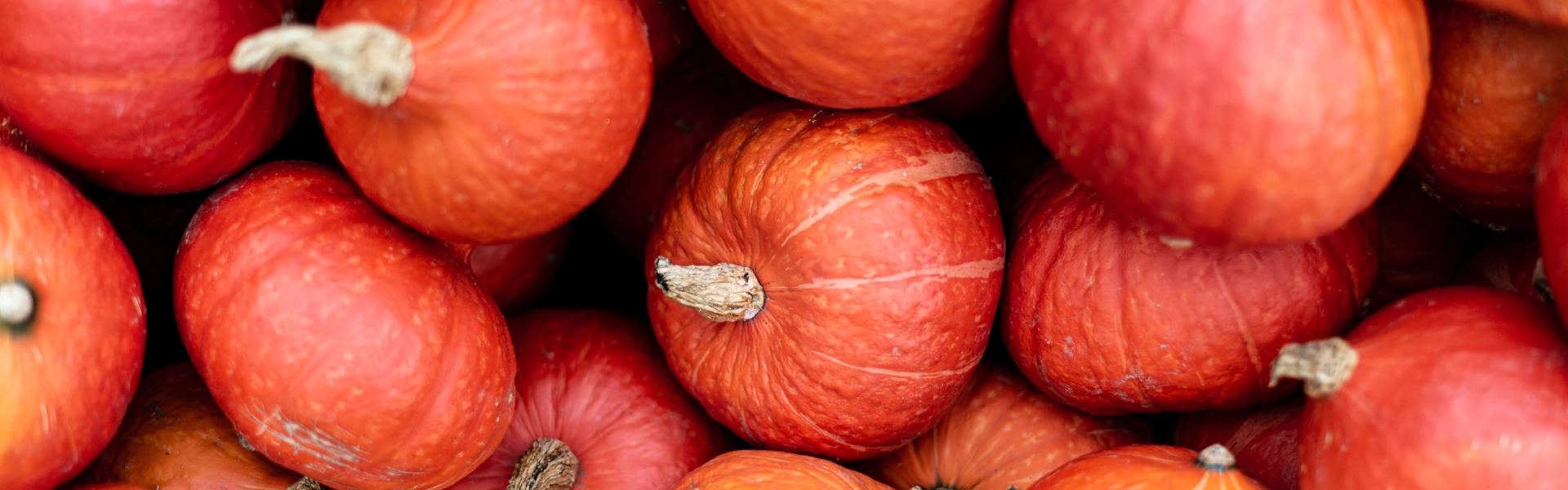
This popular variety weighs only one or two kilograms on average, making it much smaller than most other pumpkins. Also characteristic is its beautiful, bright colour, which is due to the high beta-carotene content. Our bodies convert this into vitamin A and this can benefit our eyesight, skin and hair. The popular squash can also be found with a dark green skin, but this variety is much less common.
What makes it so popular compared to other pumpkins is its firm, less fibrous flesh. This tastes mildly nutty to slightly sweet with a similar flavour to chestnuts. One of the reasons for its firm consistency is its low water content. Which also gives it a much higher nutrient density. Like all other varieties, the Hokkaido has a naturally diuretic effect by stimulating kidney and bladder activity. As the Hokkaido pumpkin only contains around 65 calories per 100 g and has a low fat content, the autumn favourite is ideal for a balanced and, above all, light diet.
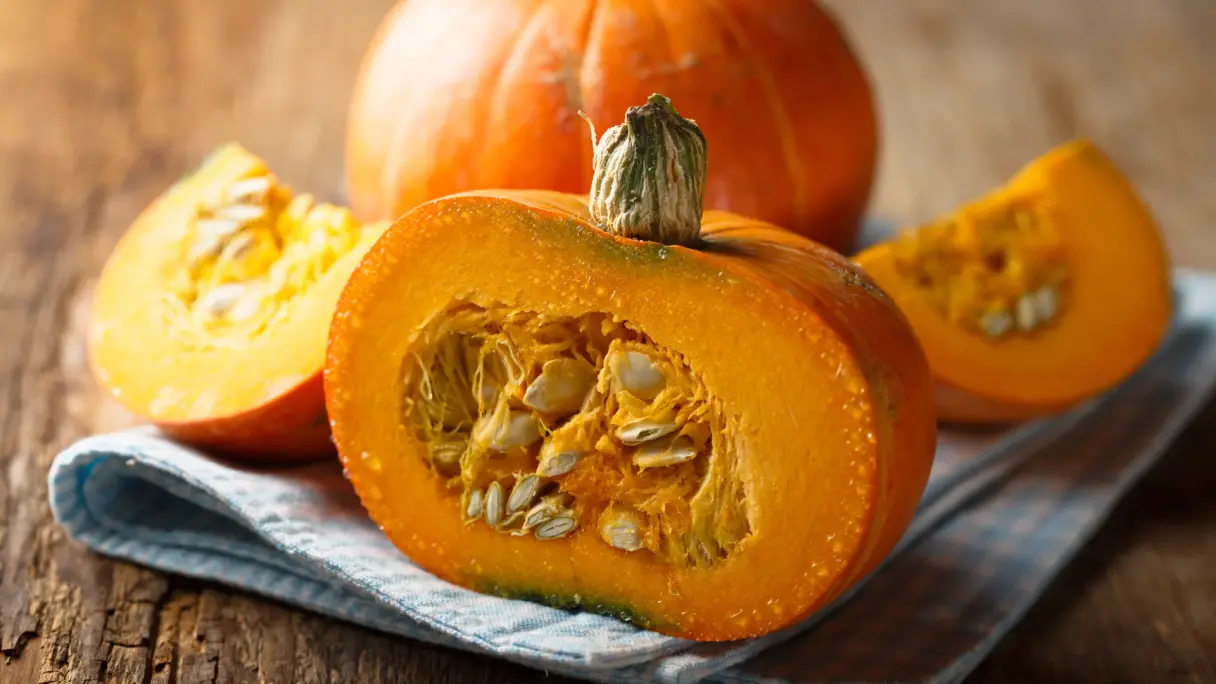
Hokkaido pumpkin full of nutrients and nothing goes to waste
With the Hokkaido, many people ask themselves: should I leave the skin on or not? The skin of the Hokkaido is edible and is packed full of beta-carotene – make sure you wash it thoroughly with warm water or buy an organic vegetable. When it comes to cooking, you can more or less give free rein to your imagination: whether it’s used in soup, bread or even in sweet snacks like low-carb brownies – Hokkaido with its low calories will always be a good choice. The seeds shouldn’t be discarded either. Once you’ve given them a thorough wash, you can roast and season them. This will give you a delicious, protein-rich snack that also makes good use of the leftovers.
To let you enjoy the Hokkaido all year round, it’s a good idea to freeze the raw pumpkin in your freezer. To do this, cut the pumpkin into bite-sized chunks, but don’t pre-cook it, or it will be mushy after defrosting. You can then keep the pumpkin in the freezer for up to twelve months. So there’s nothing to stop you having a year-round nutrient-rich diet without many calories using the Hokkaido pumpkin.