

Dry-aged meat – a trend with good nutritional values
‘The tastiest steak I’ve ever eaten!’ You often hear this in connection with dry-aged meat. But what is actually behind this trend? What kind of meat is it and what nutritional values does dry-aged meat contain? We answer the most important questions in our article.
The key points
- Dry-aged beef has a more intense flavour and exceptional tenderness.
- Roughly 26 g of protein per 100 g make dry-aged beef an excellent source of protein
- Rich in B vitamins (B12, B6, niacin) as well as iron, zinc, and selenium – good for nerves, blood formation and the immune system.
- Perfectly prepared by searing and briefly cooking at a high temperature.
Dry-aged meat and its nutritional values: aged for intense enjoyment
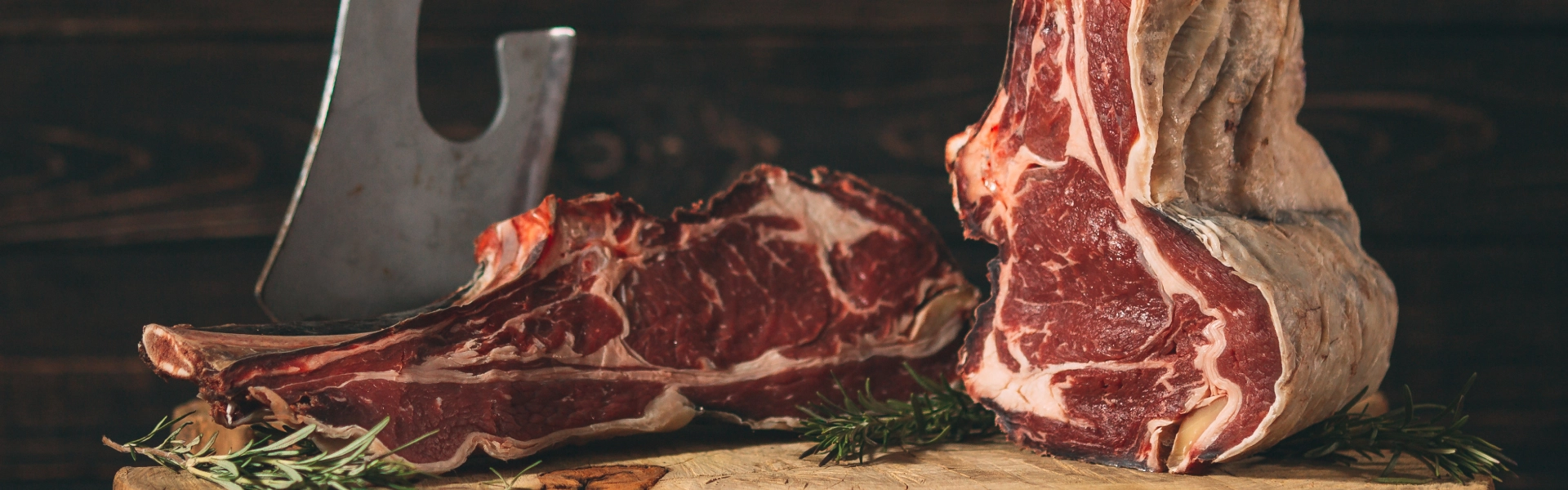
Dry aged simply means dry ageing, and for a particularly long time at that. Essentially, this is also what makes dry-aged meat so special. The meat acquires good nutritional values and a very special flavour over the long ageing period and retains an extraordinary degree of tenderness.
When you hear the term dry-aged meat, it usually means beef that has been dry-aged for a particularly long time. Angus and Wagyu cattle are the ultimate breeds for dry-aged beef. Meat from heifers – female cows under two years of age who have not yet calved – is particularly used for dry ageing.
In general, all meat first has to be hung after slaughter and goes through an ageing process. This decreases the pH level, which initiates enzymatic processes - these are the reason we get the flavours and juiciness of the meat. For dry-aged meat, this ageing process is extended by several weeks. During the extraordinarily long ageing phase, moisture evaporates from the meat – this concentrates the flavours and ensures that the enjoyment of dry-aged meat and all its nutritional values is extra special.
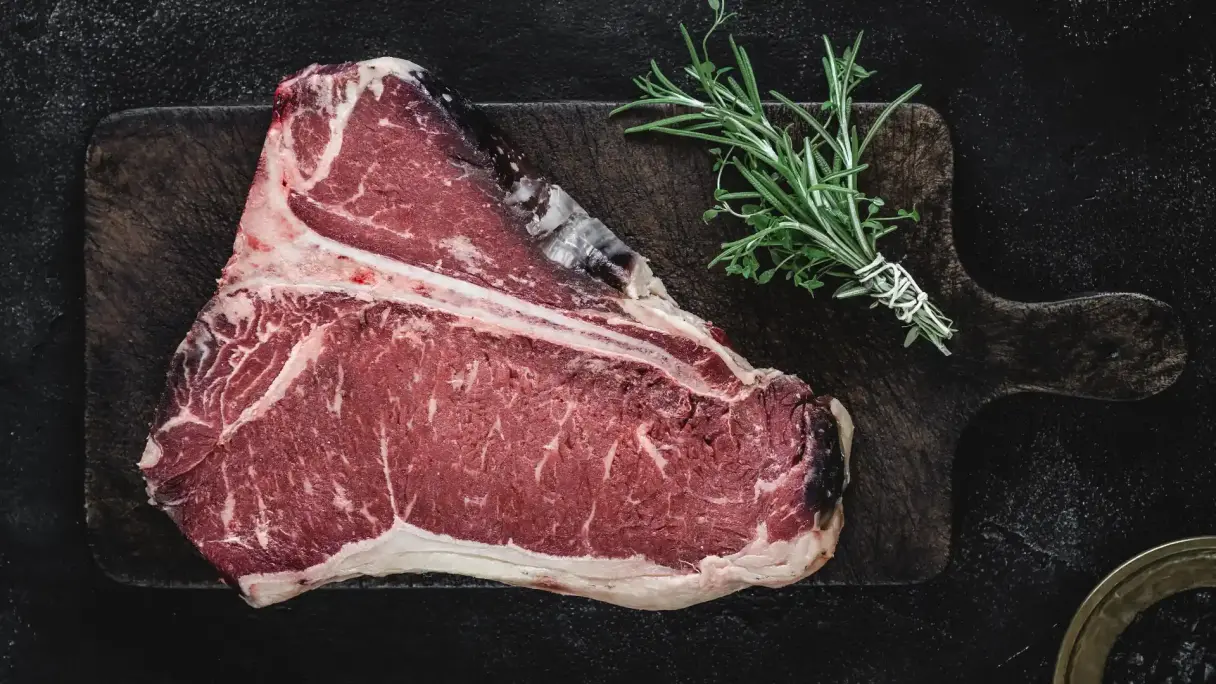
Dry-aged meat: clever use of nutritional values – enjoyment meets good health
Dry-aged meat doesn’t only taste great, but also has excellent protein and nutritional values. The loss of water during the aging process increases the concentration of high-quality protein – around 26 g per 100 g of cooked meat, including all essential amino acids. Bioactive peptides are also produced during the aging process, which make the meat easier to digest.
Dry-aged meat is also rich in B vitamins such as B12, B6, and niacin, which support the nerves, energy levels, and blood formation. The profile is complemented by iron, zinc, and selenium, which are important for the immune system and cell function.
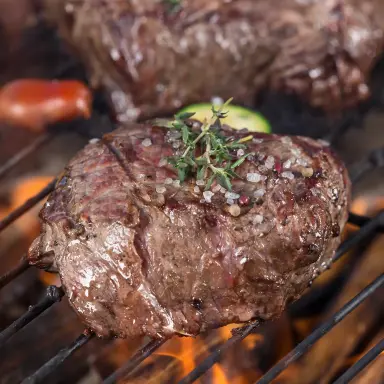
Here’s how to prepare the ideal steak: first, sear the meat briefly and vigorously, ideally in clarified butter. This is particularly suitable because it is heat-resistant and enhances the flavour of the meat better than olive oil. Then place the steak at a high temperature either in the oven or on the grill and cook it for two minutes on each side. To serve, just sprinkle a little salt on top just before serving. You can now enjoy your dry-aged meat with loads of healthy nutrients.