


Dandelion: effects and nutritional values of the wild plant
Of all the flowers in the meadow, the dandelion is pure gold. With its sunny yellow flowers, it stands proud in any green and grassy area. And you’ll be amazed at what wild dandelion contains, the varied ways in which it can be used and its effects. Find out here about the compounds in dandelions, and which parts of the plant can be used and how.
Storage time*
| BioFresh Fruit & Vegetable safe just above 0 °C with high humidity | 10 days |
| EasyFresh safe 7 °C with air regulation plate | 5 days |
| Fridge compartment 7 °C | 2 days |
| Freezer compartment -18 °C | Not recommended |
The key points
- Nutrient-rich wild herbs: dandelion contains many bioactive substances such as flavonoids, terpenes and phenolic acids as well as vitamins, minerals and bitter substances – with anti-inflammatory, antioxidant and digestive effects.
- Versatile: all parts of the plant – flowers, leaves and roots – can be used, for example as a syrup, in salads or to aid digestion.
- Healthy bitter substances: the bitter ingredients stimulate bile production, support fat digestion and have a positive effect on gastrointestinal motility.
- Easy storage: freshly picked dandelions, washed and wrapped in a damp cloth, will stay crisp and effective in the fridge for up to 10 days.
Dandelion: these nutrients and vitamins are contained in the wildflower
The dandelion is part of the Asteraceae family. The plant can be found throughout Europe. Virtually all parts of the plant can be used: the flower, the leaves and the taproot. Dandelion is said to have a specific effect: diuretic, anti-rheumatic and anti-inflammatory. A range of bioactive substances, some of which are also found in dandelion, are good for the body. Bioactive compounds are constituents in food which are good for our health, but which do not contain nutrients.
The bioactive compounds in dandelions include Flavonoids, phenolic acids and terpenes. The root and leaves contain terpenes and phenolic acids. There are also phenolic acids as well as flavonoids in the dandelion flower. The flavonoids and phenolic acids have an immunostimulating effect. Flavonoids also have an antioxidant property. Terpenes are anti-inflammatory and reduce the body's cholesterol intake. The dandelion also supplies many micronutrients including vitamins and minerals. In comparison to other salad leaves, dandelion leaves contain more fibre, unsaturated fatty acids as well as a more diverse range of amino acids.
Dandelion can be healthy and, due to its bitter note, is often used to treat indigestion. This is because the bitter compounds can stimulate the production of gallic acid and in this way aid digestion. The bile ensures that fats are digested and fat-soluble nutrients are absorbed. Dandelions can also be used to soothe muscle cramps or treat an upset stomach.

How should you use dandelion for positive effects?
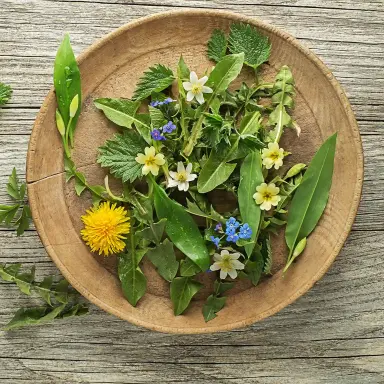
The wildflower has many uses. Straight after being harvested, for instance, dandelion flowers can be turned into a golden syrup that resembles honey. Dandelion is a real all-rounder, because in savoury dishes it can also be eaten raw in salad or used to add colour to pancakes. The dandelion’s young leaves can give salad a pleasant bitter tasting note. When combined with the yellow edible flowers, you then have a salad which makes a great visual impact.
You can easily pick dandelions in large, wild meadows. At home you should wash the dandelions and then lay them out on a baking tray to dry. Want to keep dandelion leaves for a few days? Then store them after washing in the BioFresh Fruit & Vegetable safe of your Liebherr fridge wrapped up in a damp cloth. Here the leaves will stay fresh for up to 10 days. Sensitive foods such as fresh dandelions stay crisp for longer in the BioFresh safe because the temperature is just above 0 °C with high humidity. This way, you can benefit from the positive effects of dandelion and its taste for even longer. In the normal fridge compartment, the leaves only stay fresh for 2 days.
*All specifications given are to be considered as guideline values, and depend in each case on the type of food and on the proper storage without interruption of the cold chain from harvest/production through to the Liebherr appliance. Should food products have information about minimum shelf life, the date on the packaging always applies.