



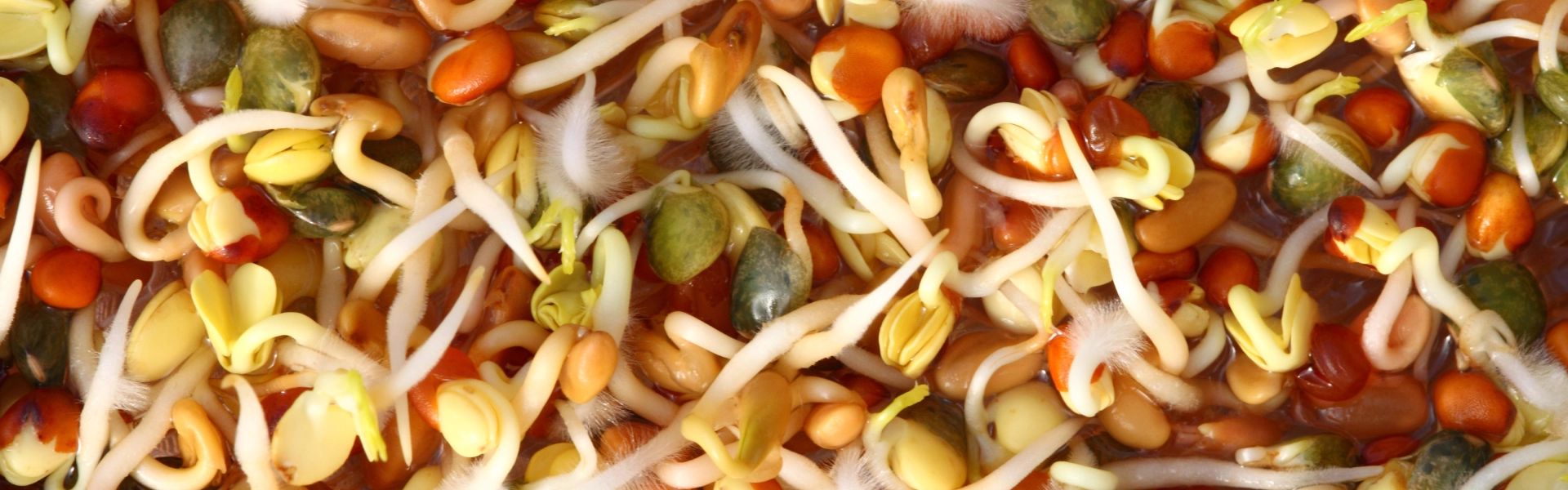
Healthy sprouts: Nutrients and growing at home
Sprouts are real nutrient bombs: They provide vitamins, minerals and fibre in concentrated form and bring fresh variety to the kitchen. Read on to find out all about the most popular types of sprouts, their taste and health benefits. We also give tips on cultivation, proper storage and preparation – whether raw in salads and bowls or heated briefly in warm dishes.
Storage time*
| BioFresh Fruit & Vegetable safe just above 0 °C with high humidity | 7 Days |
| EasyFresh safe 7 °C with air regulation plate | 2 Days |
| Fridge compartment 7 °C | 1 Day |
| Freezer compartment -18 °C | 12 Months |
The key points
- Young plants grown from seeds, e.g. alfalfa, broccoli, lentils
- Rich in vitamins, minerals and fibre
- Easy to grow at home, germination time 2–7 days
- Eat raw or briefly cooked, store in the fridge for 2-3 days
What are sprouts?
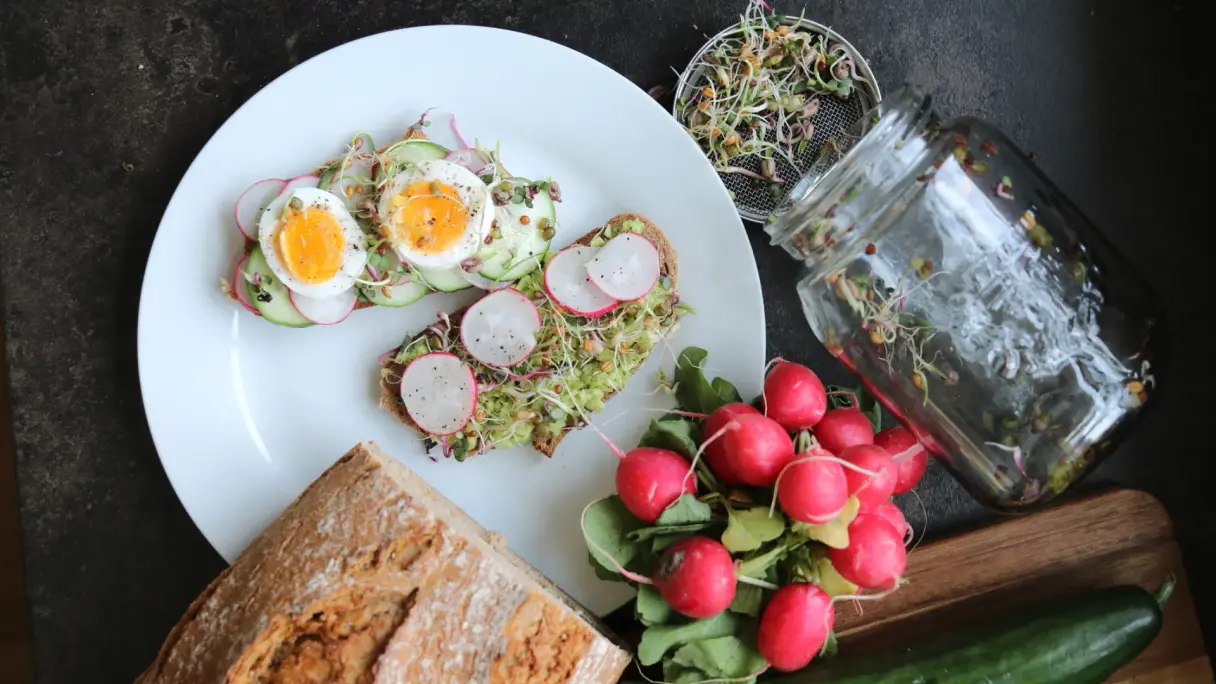
Sprouts are young plant shoots that emerge from germinating seeds. They consist of a short stem and the first cotyledons, which are not yet fully developed. Immediately after the seed breaks open, seedlings develop, the precursor stage of sprouts. While sprouts are still very small and delicate, they develop into stronger, ready-to-eat sprouts that can easily be eaten raw or used in dishes such as salads,sandwiches or smoothies.
Many types of seeds are suitable for germination. These include vegetable,herb and grain seeds. Particularly popular are alfalfa,mung beans,broccoli,cress,lentils,radishes,sunflowers and wheat.
The varieties differ not only in taste, but also in their growing time.
Mild-nutty varieties such as sunflower or wheat are particularly easy to digest, sweet varieties such as mung beans or lentils taste pleasantly light, while radish or mustard sprouts add a strong spice due to their spiciness. For beginners, fast-germinating plants such as cress or rocket are suitable, as they are easy to grow.
Why are sprouts so nutrient-rich and healthy?
The nutrient density of young seedlings is particularly interesting. During germination, the content of vitamins such as C,K and B as well as trace elements such as iron and zinc increases significantly. Broccoli sprouts provide plenty of vitamin C and fibre,lentil sprouts contain plant protein and iron, and alfalfa sprouts impress with their high vitamin K content. At the same time, difficult-to-digest carbohydrates are converted into easily absorbed sugars, which increases digestibility.
Even though they’re not a substitute for whole vegetables, sprouts can be a valuable addition to a balanced diet. The recommended daily amount depends on the type and the individual diet; even small portions consumed on several days each week are sufficient to reap the health benefits. This means they combine taste,variety and nutrient density, enriching the daily diet in a simple and healthy way.
How can you grow your own sprouts?
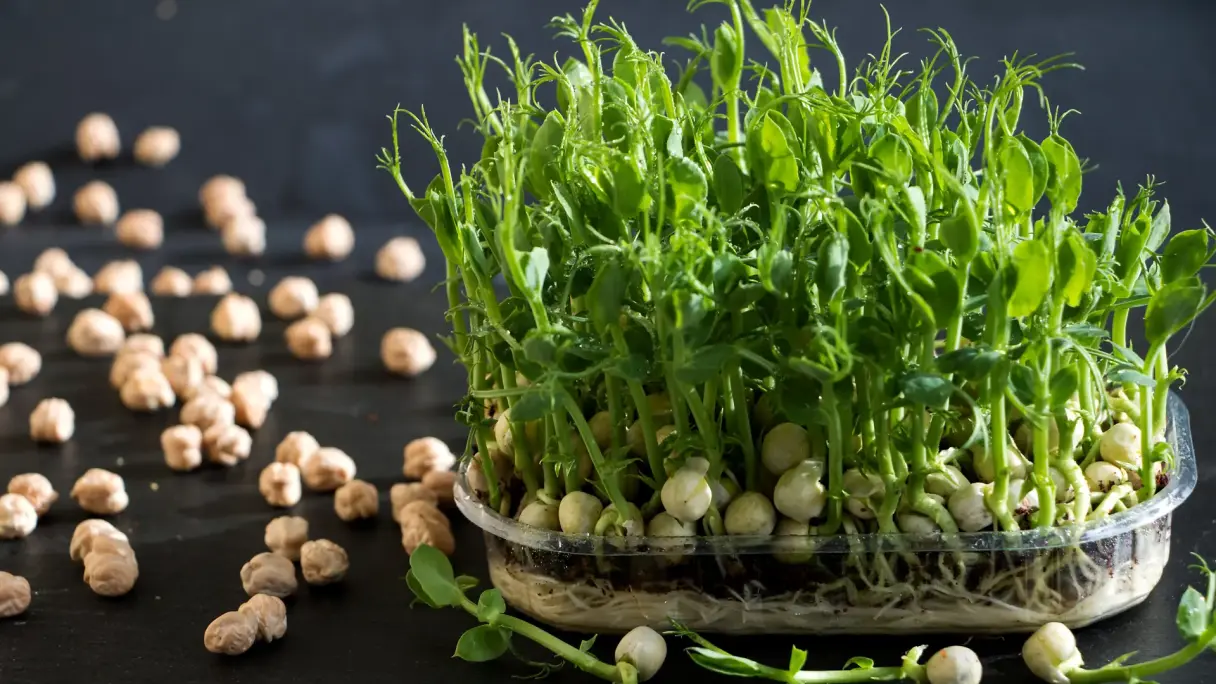
Sprouts can easily be grown at home. All you need are viable seeds, water, a suitable container such as a sprouting jar, and a little patience.
First, high-quality organic seeds should be used, as these are free of pollutants and suitable for germination.
One to two tablespoons of seeds are thoroughly rinsed and soaked in water overnight.
After this, the water is drained off, and the seeds are rinsed twice daily with fresh water to prevent mould growth. A bright location without direct sunlight and a moderate room temperature of 18 to 22 °C will promote even growth. The germination period depends on the type of sprout: Fast-germinating varieties such as cress or alfalfa are ready to harvest after two to three days, while lentil or broccoli sprouts need four to seven days.
Anyone who doesn’t want to grow sprouts themselves can also buy them already grown in supermarkets, organic shops, health food stores or online – their freshness, hygienic packaging and organic certification should all be considered.
Sprouts in the kitchen: These little powerhouses are incredibly versatile
Sprouts are true all-rounders in the kitchen, bringing fresh aromas and valuable nutrients to many dishes. Especially legume sprouts such as lentils or chickpeas should be briefly heated before consumption to render natural plant substances harmless. They also enrich vegetable stir-fries, stews, orwok dishes when cooked.
All sprouts should be thoroughly washed before consumption, especially in the case of people who have a weakened immune system.
How to store sprouts properly to ensure they stay fresh
Fridge temperatures of between 2 and 7 °C are suitable for storage.
Sprouts should be well drained and stored in an airtight container or a bowl lined with kitchen towel and consumed within two to three days.
Limp,musty or mouldy sprouts should be discarded, as they pose a health risk. Freezing or drying is possible, but usually leads to a loss of taste and nutrients.
*All specifications given are to be considered as guideline values, and depend in each case on the type of food and on the proper storage without interruption of the cold chain from harvest/production through to the Liebherr appliance. Should food products have information about minimum shelf life, the date on the packaging always applies.
This text has been machine translated from English.