

Liebherr-Werk Biberach GmbH
Memminger Straße 120
88400 Biberach an der Riß
Germany
Press releases | 08/10/2026
Two early twentieth century gasometers in the Bovisa district of Milan are being redeveloped into a new innovation campus for Politecnico di Milano, based on a master plan by architect Renzo Piano. Since March 2025, three Liebherr flat-top cranes have covered the entire construction site, handling lifting and material handling work across the project.
The Politecnico di Milano, Campus Bovisa-Goccia-Gasometri, is one of the largest urban redevelopment projects currently underway in Milan. Two historic gasometers, built in the early twentieth century for gas storage, are being transformed into two new buildings of eight and six storeys respectively, which will house offices, laboratories, a gym and other facilities for the university. One of the two gasometers is being partly dismantled, restored off site and reassembled, while the other is being restored in place. Site works began in October 2023 and completion of the project is scheduled for early 2027.
The redevelopment is carried out by CMSA Società Cooperativa, part of the ATI Conscoop, Consorzio Integra consortium, together with Pentagas and Gianni Benvenuto Spa.
For the tower cranes on site, CMSA worked closely with Liebherr dealer Niederstätter, a family run company specialising in the sale and rental of construction machinery, modular site structures and operator training. From the early planning stage, the Niederstätter team worked closely with CMSA's site management to identify the most suitable solution in terms of machinery and logistics. The central requirement for the project was to cover the entire construction site with cranes able to lift loads of up to three tonnes. Together, the two teams defined an action plan for the tower cranes to be used on site, with Niederstätter providing targeted advice on crane positioning, the organisation of site space and the optimisation of logistics based on the specific conditions on site.
The requirements identified during the planning phase directly influenced the number, models and size of the tower cranes selected, as well as their careful positioning on site. Three Liebherr flat-top cranes were chosen for the project. A 205 EC-B with a hook height of 50 metres and a jib lenght of 60 metres, a 240 EC-B with a hook height of 65 metres and a jib length of 68 metres, and a 250 EC-B with a hook height of 80 metres and a jib length of 70 metres. Erection of the cranes began on 17 March 2025. The three cranes were positioned to cover every area of the site, ensuring safe and efficient handling of materials. Together, they handle the lifting of loads, material handling, steel construction and facade assembly, as well as concreting work across the project.
Niederstätter's involvement in the project went beyond the supply and positioning of the tower cranes. For the Milan site, the company also designed and built a two storey modular structure measuring 36.5 by 7.35 metres, used for offices, changing rooms, storage and meeting rooms. The design phase took two months in close coordination with CMSA, while assembly on site was completed within one week. Additionally, Liebherr Tower Crane Solutions, supported the project with tower system combinations and foundation loads.
The two gasometers form part of the wider Bovisa-Goccia-Gasometri masterplan, which is intended to connect the university campus with a new public park and to establish the area as an innovation district for Milan. The steel structures of the gasometers are being preserved and restored as part of the redevelopment, combining the site's industrial history with its new academic and research use.
The three EC-B cranes remain in operation throughout construction on both gasometer buildings, supporting the project through to its scheduled completion in early 2027. As flat-top cranes, they have no cross bracing above the jib, which allows several cranes to slew freely over one another. On a site where three cranes cover overlapping working areas within a confined urban plot, this design is a key reason the cranes could be positioned to reach every part of the site without restricting each other's operating range.
02/10/2026
Press releases
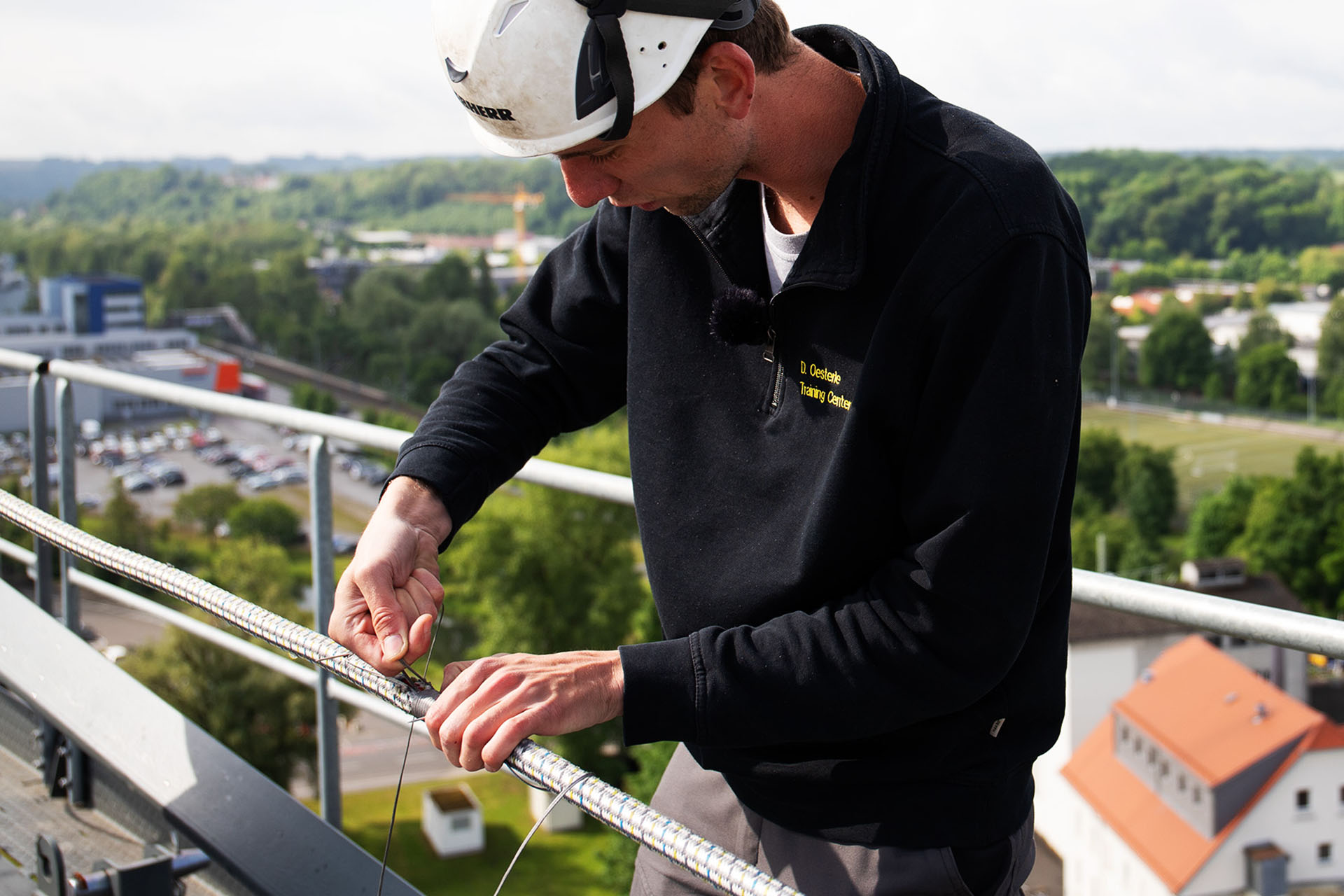
Liebherr is increasing the overall service life of its Fibre ropes from 14 to 16 years, with the decisive period of use rising to up to 12 years. This is based on multi-year ageing trials on test rigs and analyses of ropes already in field. The new ruling applies automatically to all new ropes and those already in the field. This step forms part of Liebherr's ongoing path towards establishing Fibre technology as the new standard in the tower crane market.
22/09/2026
Listicles
Five questions that show why planning a tower crane deployment is more complex than you might think
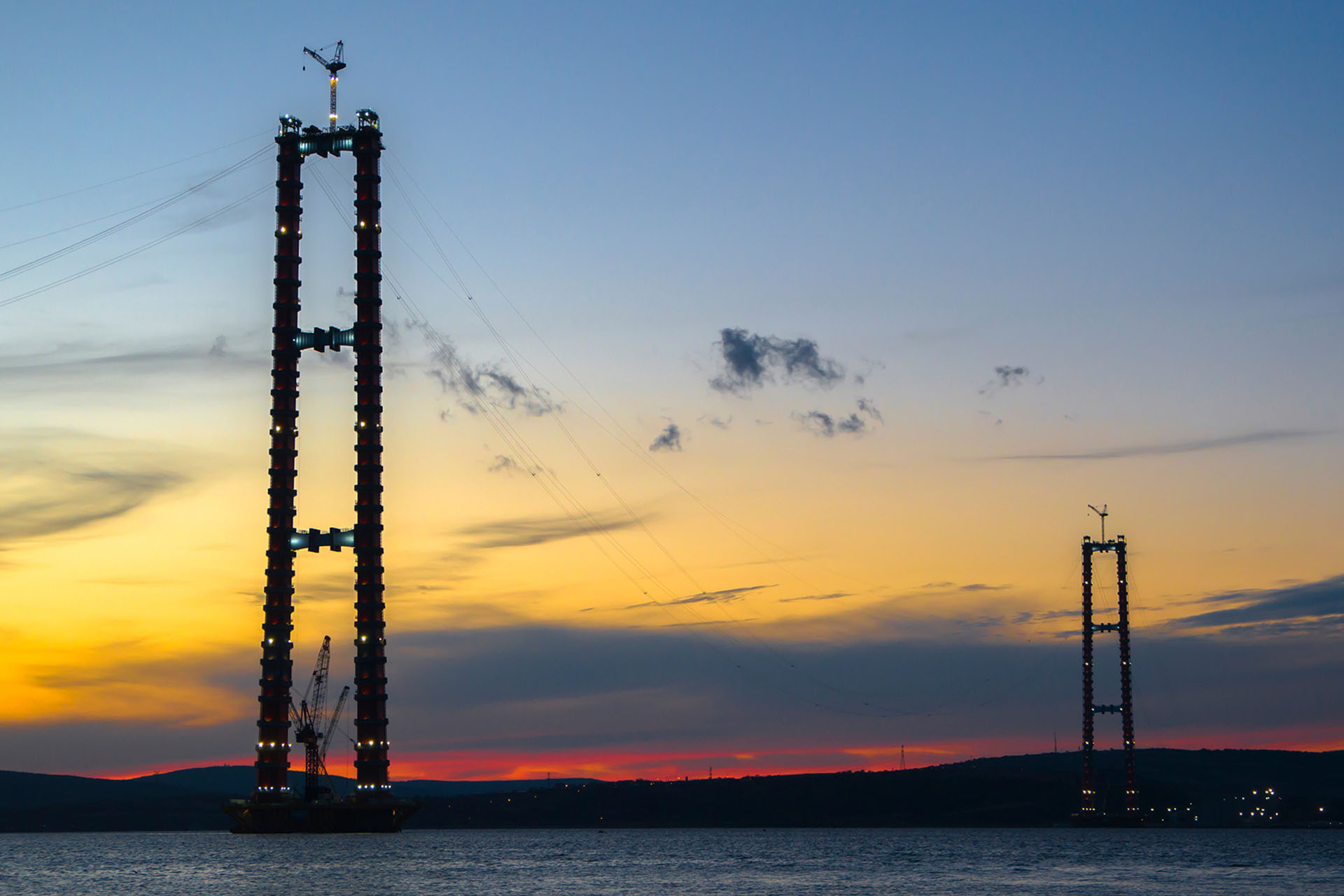
On spectacular construction sites, it's the structures that take the spotlight. But building bridges, tunnels or skyscrapers in the first place often demands equally extraordinary crane concepts. From the Sagrada Família in Barcelona to the Fehmarnbelt Tunnel in Denmark, Liebherr supports demanding tower crane deployments worldwide. Max Widder, Head of Project Planning at Tower Crane Solutions, gives insight into the challenges behind some of the most complex crane projects in the world.
10/09/2026
Press releases
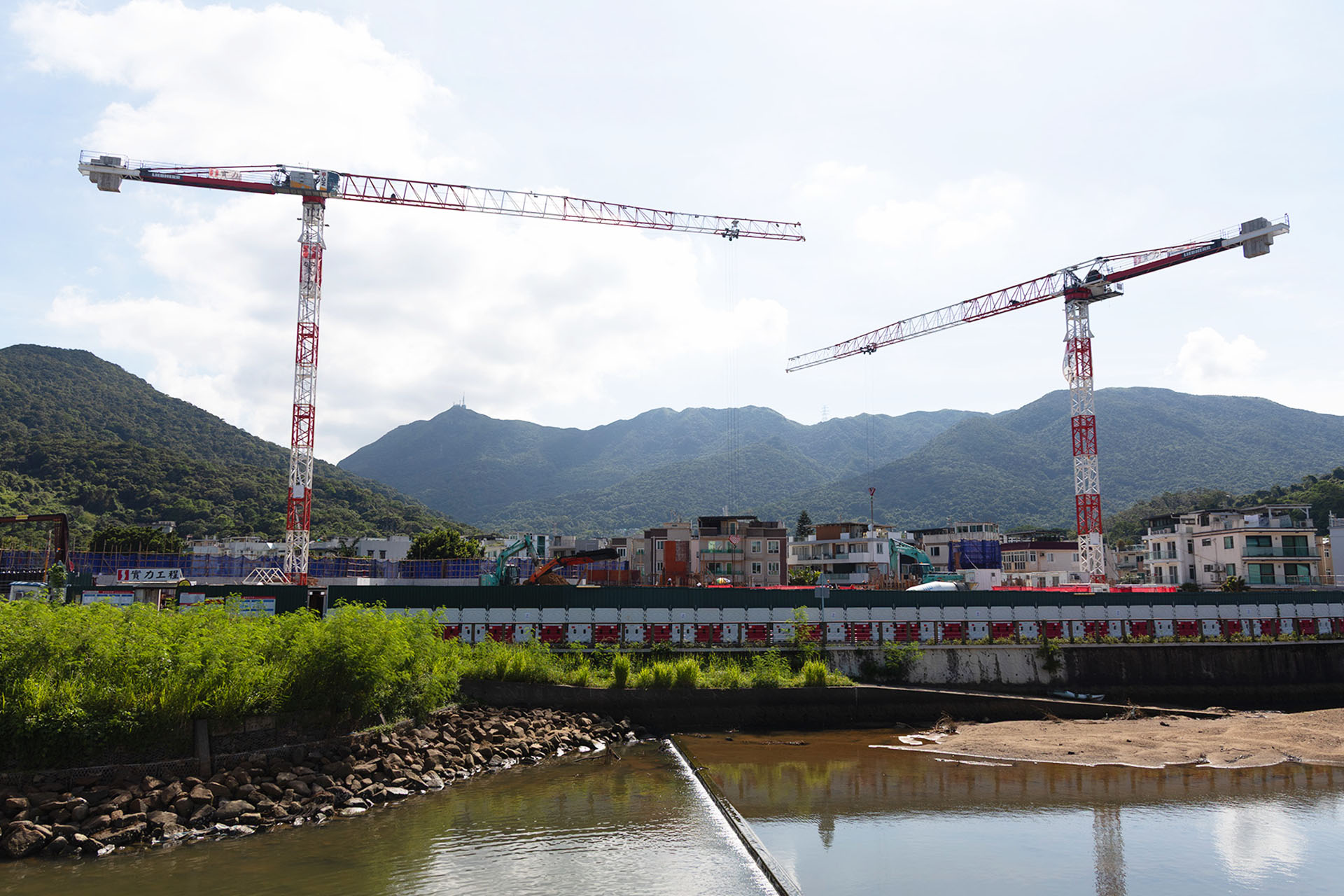
Considerate and flexible: two Liebherr NC-B cranes at work in Sai Kung
A new residential development is under construction in Ho Chung, Sai Kung. Foundation and excavation and lateral support works have been underway since December 2024 and are expected to continue until end of 2026. Two Liebherr NC-B 12-70 tower cranes are handling material logistics on the confined site.