
Liebherr Mining Equipment Newport News Co.
4100 Chestnut Ave.
Newport News, VA 23607
United States of America
News | 12/08/2026
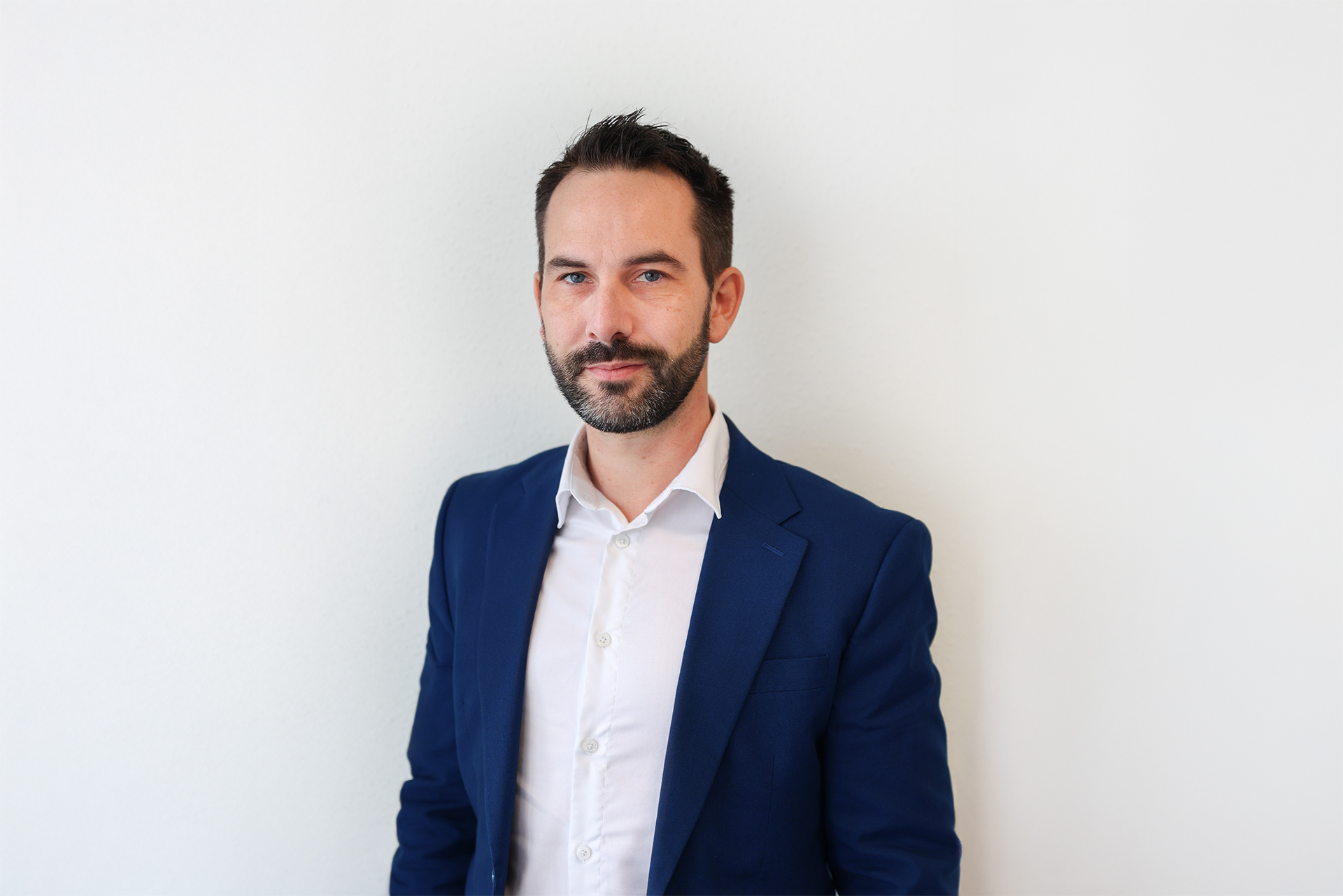
At this year’s VDI Dritev conference in Baden-Baden, Germany, Dr.-Ing Isabelle Ays – Liebherr Mining’s head of zero emissions – gave a presentation about the OEM’s decarbonisation journey. We spoke with Isabelle about key insights from her presentation and what they mean for the future of zero emission mining.
According to a 2021 McKinsey report, 40 to 50 % of carbon emissions in mining are the result of the diesel used to power onsite mobile equipment. As such, OEMs like us can help accelerate decarbonisation by bringing alternatives to diesel-powered heavy machinery. With low-emission and electric machines enabling emission-free operation – with a renewable electricity source – at the point of use, customers have practical pathways to progress toward their decarbonisation goals.
However, for customers to want to adopt this equipment, it must match the performance of its diesel counterparts and work across a wide range of mines. To accomplish this, we take a full system view – considering the machine as well as energy source and supply, charging and how everything fits into real mine operations – to deliver the best possible productivity on site. Plus, with their modular, energy-agnostic powertrains, our machines can adapt as customer needs, technologies and energy landscapes evolve.
When comparing energy production costs, renewable electricity tends to be the most cost-efficient option. However, we do understand that in regions requiring long-term energy storage or extensive transport, alternatives like green ammonia may be more suitable.
Our strategy is to maximise renewable electricity while complementing it with alternative fuels where needed. Because energy availability and costs vary by region, there is no one-size-fits-all solution. Instead, Liebherr aims for individually optimised solutions for different markets and mine conditions.
Our goal is to deliver a battery-electric haul truck with the same or better productivity as its diesel counterpart. To do this, we needed to keep charging time to a minimum. With its large battery system, regenerative braking capabilities and ability to be charged in approximately 30 minutes using static or dynamic solutions, the T 264 Battery Electric will work just as hard as a diesel truck, as supported by our ongoing validation processes.
Based on the proven T 264 platform, this battery-electric truck is designed to perform in mining environments with winds up to 80 km/h, temperatures up to 50 °C and abrasive dust exposure. Development of the T 264 Battery Electric is currently progressing at our Mining Technology Development Center in the USA.
Liebherr Power Rail (LPR) is currently in development. It’s a dynamic power transfer system compatible with both diesel and battery-electric trucks that will use a lateral rail connection instead of overhead lines. Trucks connected to LPR will be able to reach speeds of up to 55 km/h, significantly reducing cycle times. And with its simplified infrastructure, LPR will be able to be more easily relocated within an operation as mine layouts evolve, reducing downtime and maximising the benefits of trolley technology.
Depending on the unique environments within our customers’ operations, these technologies can help to reduce costs, decrease greenhouse gas emissions and increase productivity under suitable conditions. By using trucks with battery-electric powertrains – powered by renewable electricity – customers’ fleets can consume less fuel during the haul cycle, which has the dual benefits of reducing fuel costs as well as the amount of direct greenhouse gases emitted.
When dynamic power transfer solutions like Liebherr Power Rail enter a mine’s infrastructure, any trucks connected to these systems – diesel or electric – can use considerably less fuel than those powered by their drivetrain alone. Plus, trucks have the potential to be more productive while connected to a dynamic power transfer system as they can reach higher speeds on grade than trucks operating under their own power.
The combination of battery-electric trucks and dynamic power transfer solutions together provide even more benefits: lower cost per tonne; longer battery life, depending on the haul profile; and fewer stationary charging events.
Our pathway to broader deployment focuses on targeted infrastructure investment, careful management of upfront costs and total cost of ownership and supporting operational change.
Current efforts focus on improving performance, reliability and sustainability across the entire haul cycle – driven by advances in battery technology, dynamic power transfer, digital solutions and circular approaches. Together, these developments are building a strong foundation for scalable, long-term adoption of these technologies within the industry.
21/09/2026
Press releases
Liebherr-Australia commemorates the opening of its new training centre in Western Australia
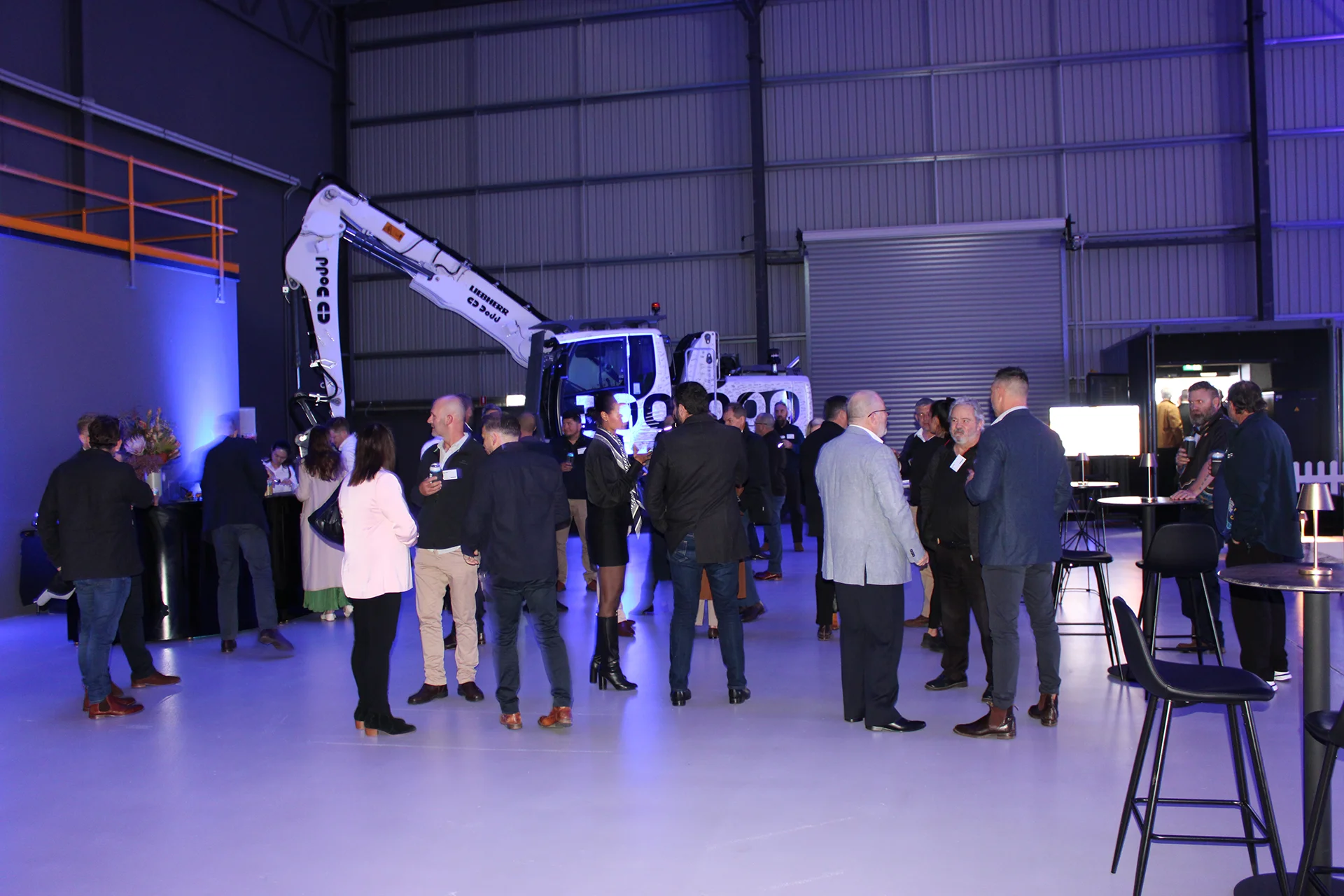
Liebherr-Australia held a customer evening at its new training centre in Perth, Western Australia, late last month to celebrate its official opening. The new facility includes three dedicated training rooms equipped with different simulators and a 1,250 m2 workshop for practical training. Customers and industry peers were able to experience training simulators and other cutting-edge training technology throughout the evening.
09/09/2026
Press releases
Darma Henwa expands fleet with 10 new Liebherr machines
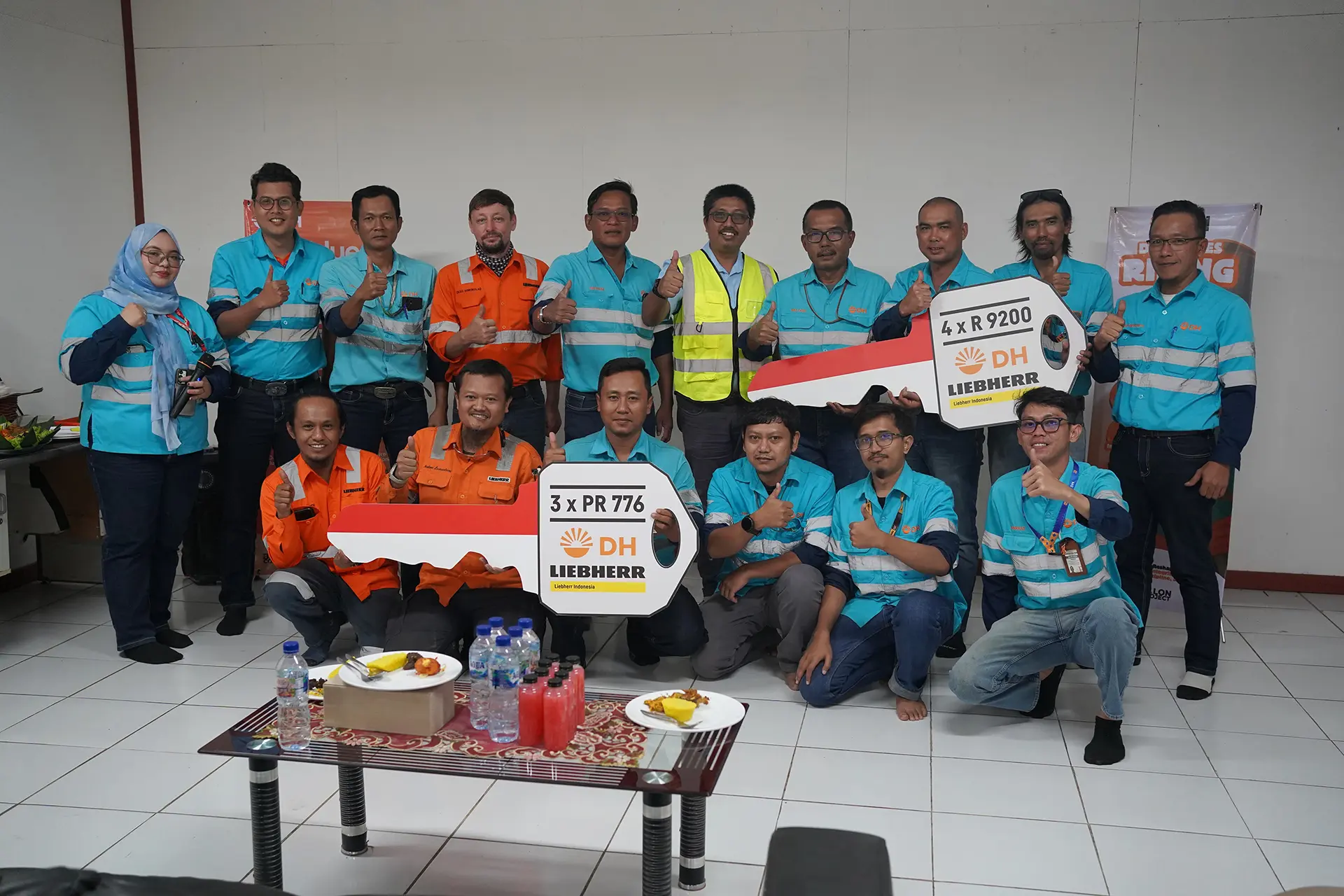
In less than a year, Liebherr Indonesia has delivered a fleet of 10 machines to Darma Henwa – four R 9200 excavators and six PR 776 dozers, half of which are the Generation 8 model. These machines are currently working across the Bengalon and Kintap mines in Kalimantan.
02/09/2026
Press releases
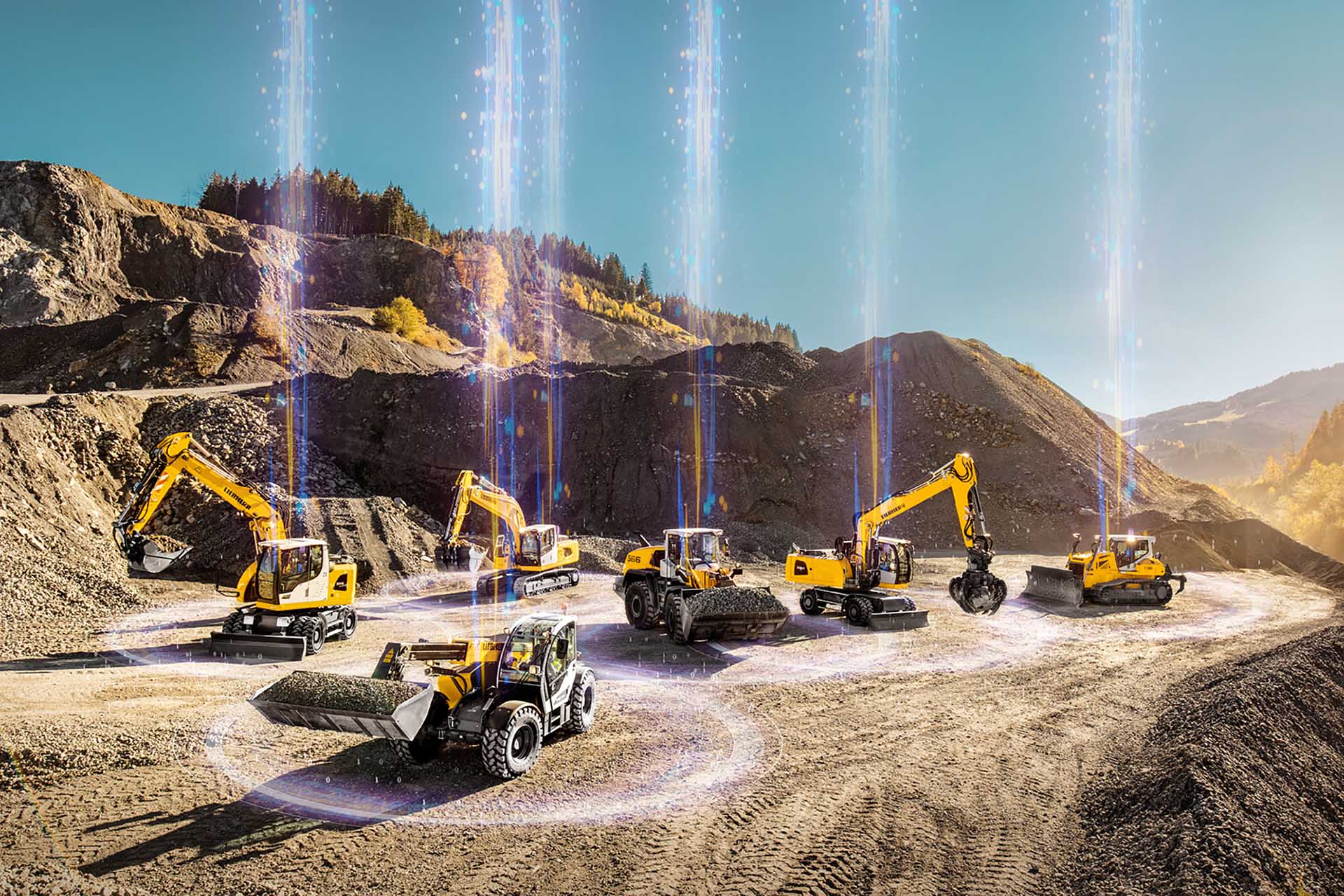
At steinexpo 2026, Liebherr will be showcasing state-of-the-art assistance systems, digital applications and connected service solutions for the construction, quarrying and mining sectors. From intelligent machine control systems and innovative operating concepts, through to digital services and fleet management solutions: people always remain at the heart of it all. In the Technology Pavilion, visitors can experience these technologies in a hands-on way.