


Liebherr New Zealand relocated its operations to the new Sales and Service Centre at East Tamaki near Auckland in May 2015. The official opening ceremony under the motto "Committed to Your Success" was celebrated on Friday the 31st of July 2015 and was attended by numerous customers and other guests. Liebherr uses this location to serve customers and potential clients locally.
The brand new facility has just been purpose built and enables Liebherr to provide their customers with excellent service. The premises include a spacious workshop with internal gantry crane, a wash bay and a large spare parts warehouse. The branch covers 1,000m² of office and workshop space and has a yard of 1,600m².
The ceremony was attended by over 70 customers, guests and Liebherr staff. Several machines were exhibited, including Liebherr’s unique fuel-efficient wheel loaders and Liebherr’s market leading mobile cranes.
Možná vás také zajímá
21. 10. 2026
Press releases
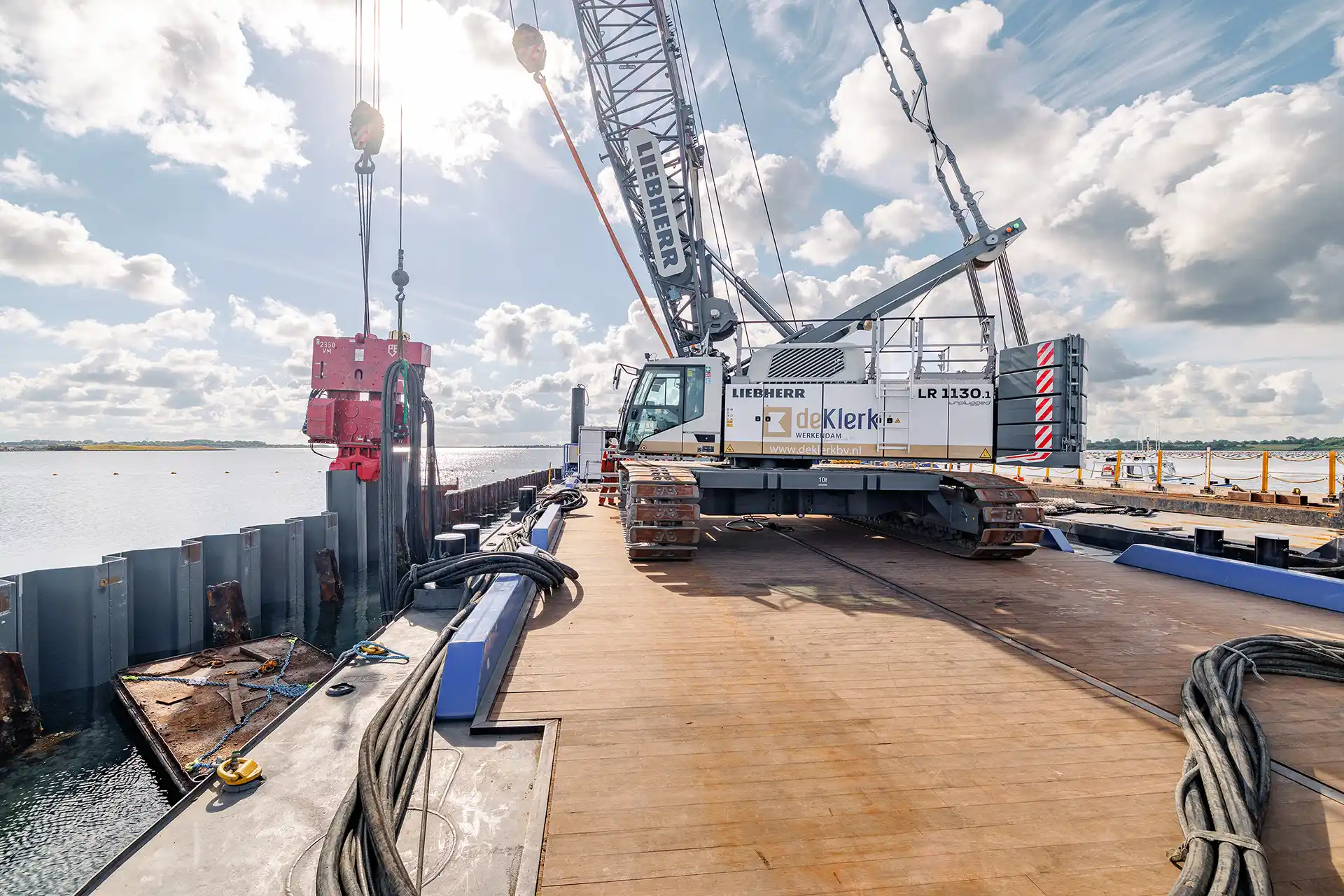
Liebherr electrifies hydraulic construction project with unplugged crawler crane
For the refurbishment of the Brouwer sluice lock complex on the Brouwersdam in the Netherlands, the company De Klerk Werkendam is relying on Liebherr’s battery-powered LR 1130.1 unplugged crawler crane. As part of this, the 50-year-old sheet pile structures are being replaced; these play a key role in regulating the flow of water between the North Sea and the Grevelingenmeer.
19. 10. 2026
Press releases
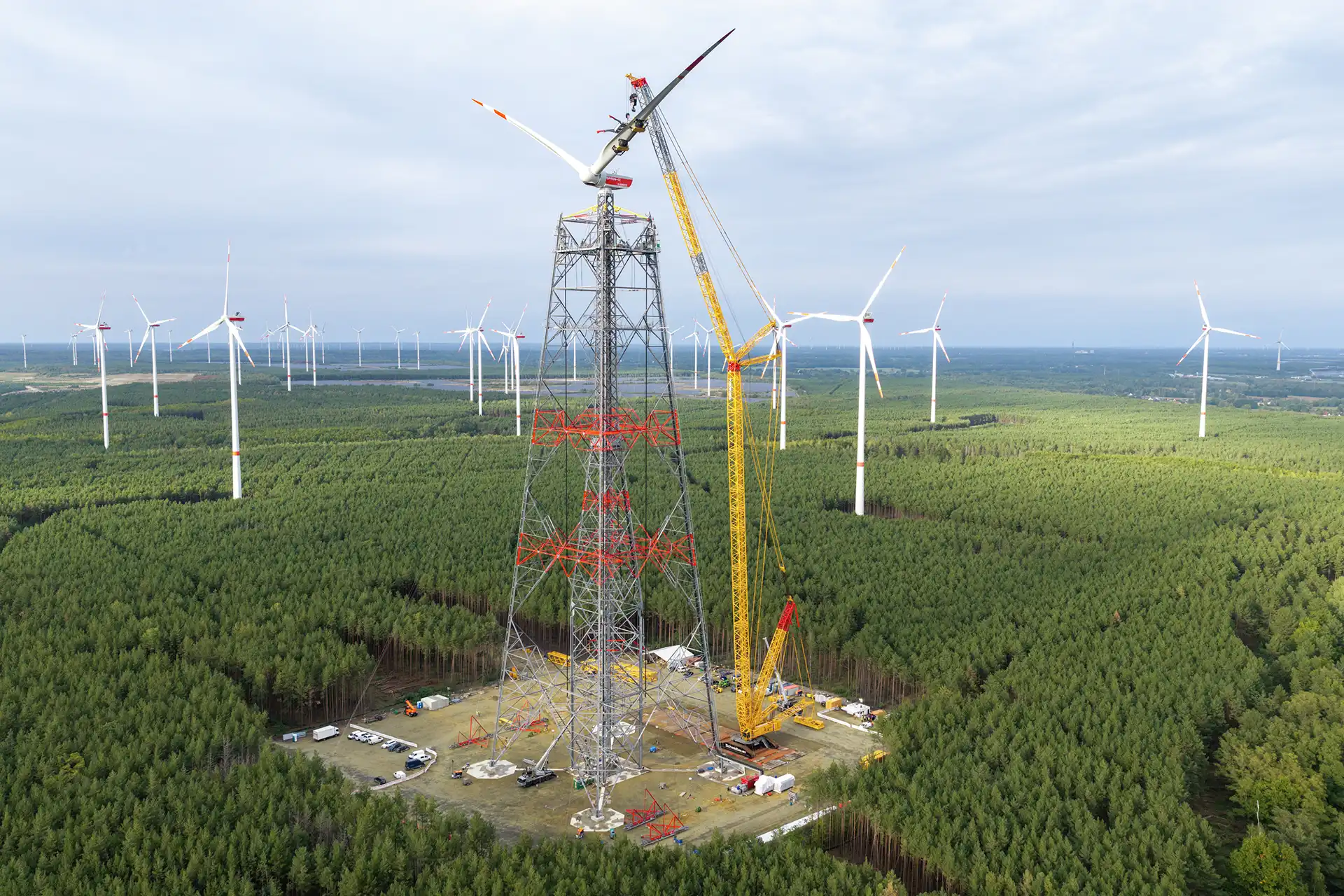
Liebherr LR 11350 erects the world’s tallest wind turbine
At the end of September, what is now the world’s tallest wind turbine was completed. A Liebherr LR 11350 crawler crane from Schmidbauer GmbH & Co. KG was used in the construction of the prototype of the so-called GICON high-altitude wind turbine in Lusatia, Brandenburg.
16. 10. 2026
Press releases
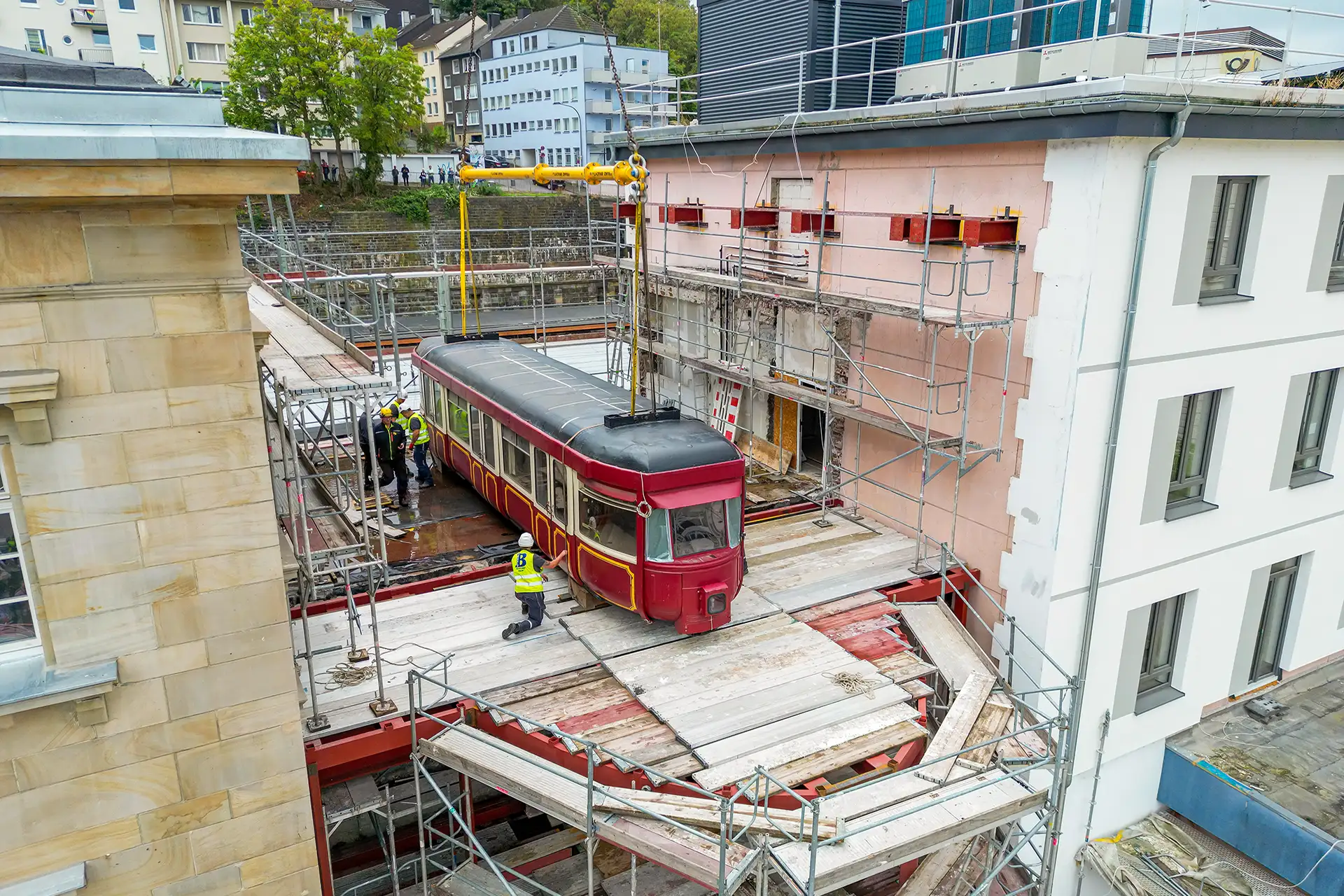
A historic suspension railway carriage is once again gliding through Wuppertal: using a Liebherr LTM 1450-8.1 mobile crane, Franz Bracht Kran-Vermietung GmbH lifted carriage 76, weighing around seven tonnes, into Wuppertal Central Station. Given the limited space available, precise operational planning and modern mobile crane technology were crucial.