
Liebherr-Werk Biberach GmbH
Memminger Straße 120
88400 Biberach an der Riß
Germany
+49 7351 / 41 – 2436
Listicles | 04.03.2026
From plug-and-play setup that brings lifting capacity online within hours to compact designs that deliver maximum coverage in the tightest spaces, K cranes redefine efficiency on modern jobsites. One crane replaces multiple machines, streamlines workflows, and lowers operating costs, while intelligent assistance systems boost safety and precision. The result is higher productivity, cleaner sites, and a clear competitive edge from day one.
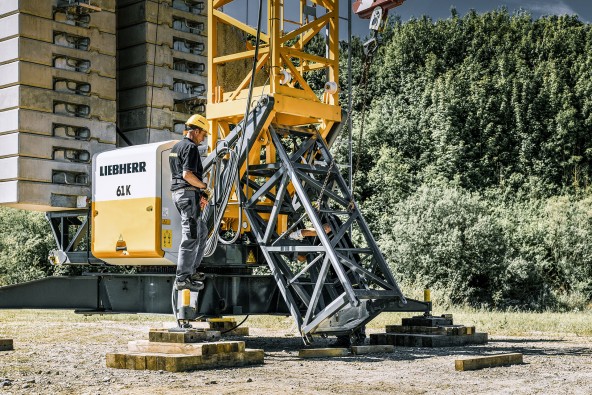
Self-erecting K cranes are delivered to the jobsite as largely pre-assembled, self-contained units. This allows them to be erected in a very short zime. In many cases, installation can be completed within hours rather than days. This “plug-and-play” approach significantly reduces mobilization time and eliminates lengthy setup phases that often delay early construction activities. For contractors, this means concrete work, structural framing, and material handling can begin almost immediately after the set-up.
In an industry where schedules are increasingly tight and penalties for delays are high, the ability to bring lifting capacity online quickly has become a decisive competitive advantage.
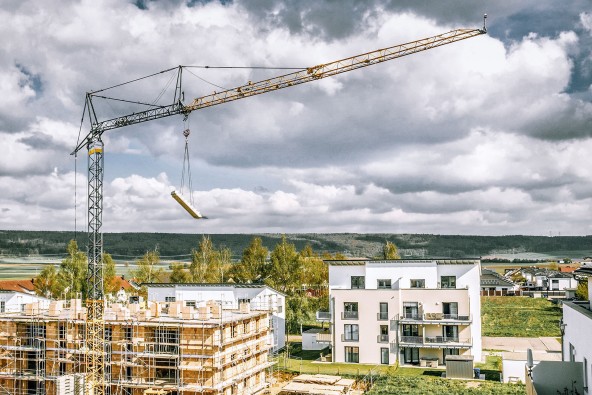
A single self-erecting crane can often replace several pieces of conventional lifting equipment, including telehandlers, forklifts, and small mobile cranes. With its central position and wide operating radius, the crane can serve multiple trades simultaneously from one fixed location. Concrete, formwork, steel elements, HVAC units, and prefabricated components can all be handled efficiently without relocating machines across the site. This reduces internal traffic, limits interference between trades, and improves overall workflow coordination.
Fewer machines on site also mean lower fuel consumption, and fewer logistical conflicts, creating a cleaner, safer, and more organized construction environment.
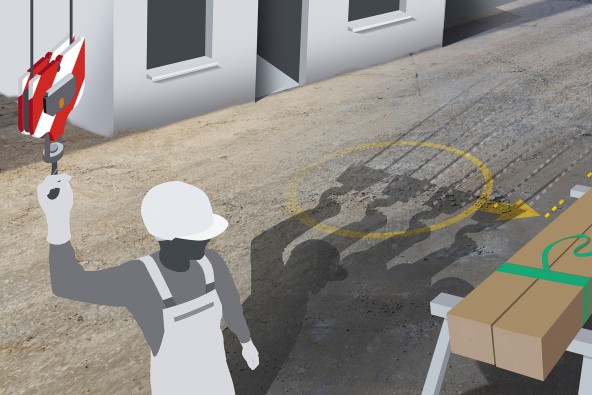
Modern K cranes are equipped with advanced assistance systems designed to support operators and improve safety in daily operations. Technologies such as Sway Control Plus actively reduce load oscillation by automatically compensating for trolley and slewing movements, even under wind influence. Guided Hook enables ground personnel to guide the hook manually with minimal effort, allowing precise positioning when visibility is limited. Vertical Line Finder ensures that loads are lifted vertically above their center of gravity, preventing diagonal pulls and reducing structural stress. Positioning Pilot allows operators to store frequently used hook positions and travel routes, enabling repeatable, semi-automated lifting sequences.
Together, these systems reduce operator workload, minimize human error, and significantly lower the risk of accidents and material damage, especially on complex or congested jobsites.
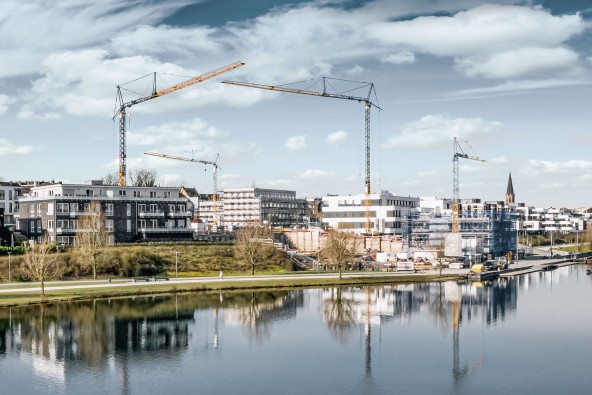
One of the greatest strengths of self-erecting cranes is their ability to deliver wide working coverage from a very small footprint. K cranes require only limited foundation space and can be installed in narrow courtyards, between buildings, or along property boundaries.Despite their compact base, they offer impressive jib lengths and hook heights, allowing them to service large areas without repositioning. This is particularly valuable in dense urban developments, infill projects, and mixed-use buildings where space is scarce and access is restricted.
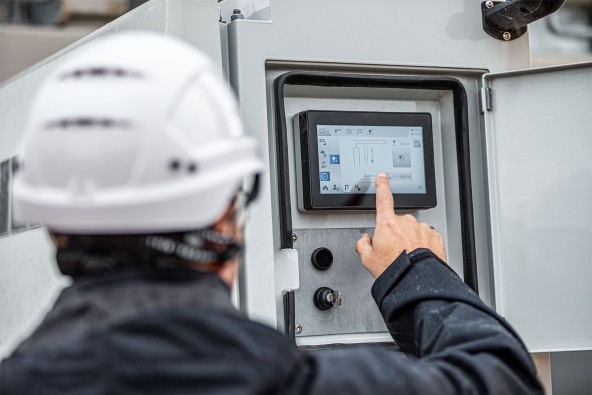
Self-erecting cranes combine high performance with outstanding economic efficiency. Because one crane can support multiple trades, fewer operators and support personnel are required. Electrical operation eliminates fuel costs and reduces emissions, while modern drive systems ensure consistent performance with low energy consumption. High utilization rates, predictable operating behavior, and long service life translate into lower total cost of ownership. For contractors, this means reliable scheduling and budget stability. For rental companies, it means strong fleet utilization and long-term profitability.
02.10.2026
Comunicati stampa
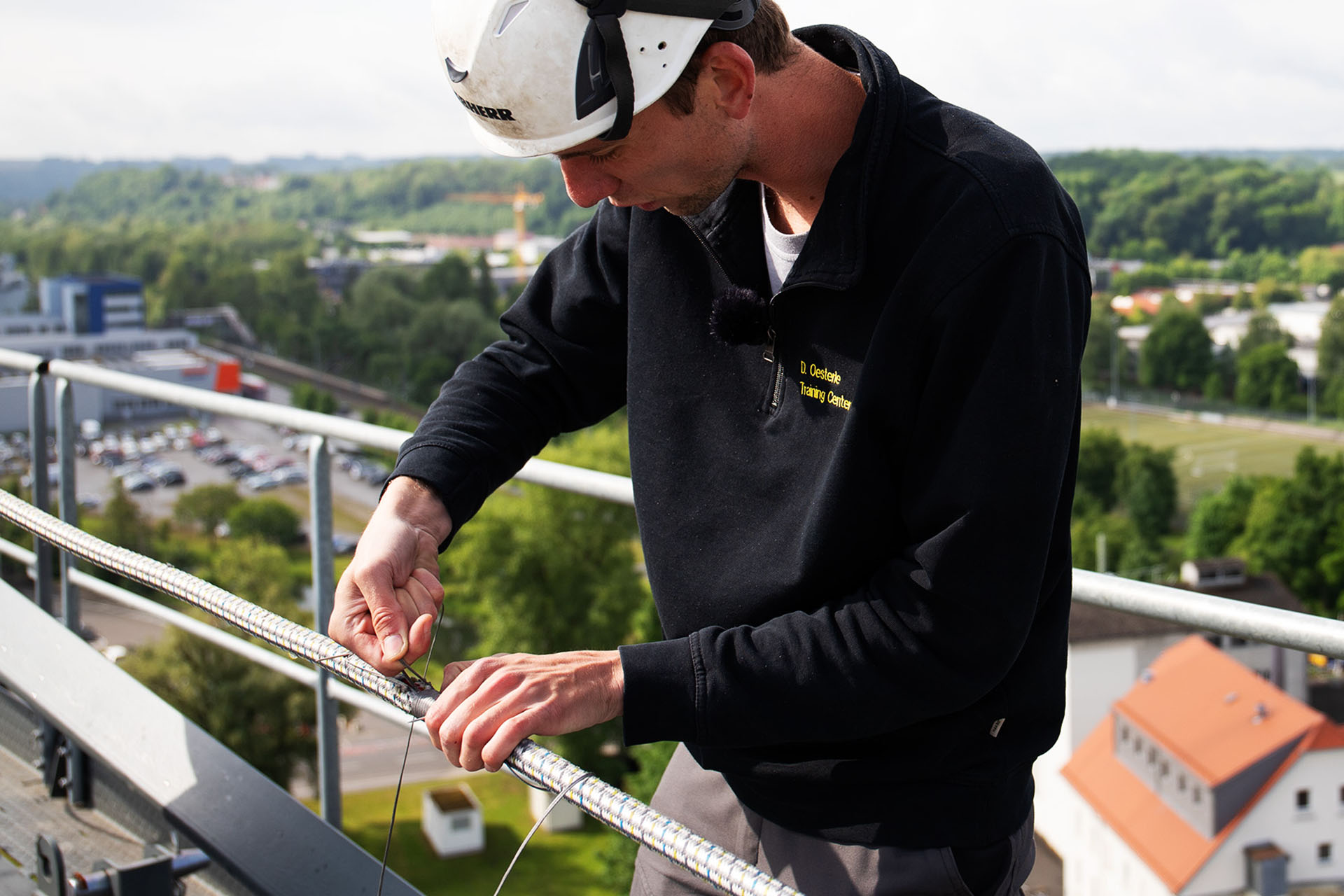
Liebherr aumenta da 14 a 16 anni la durata complessiva delle proprie funi in fibra, mentre la durata di utilizzo, determinante ai fini dell’impiego, aumenta fino a 12 anni. Alla base di questa decisione vi sono prove di invecchiamento pluriennali condotte su banchi prova e analisi delle funi già in servizio. La nuova disposizione si applica automaticamente a tutte le funi, sia quelle nuove sia quelle già in servizio.
22.09.2026
Listicles
Five questions that show why planning a tower crane deployment is more complex than you might think
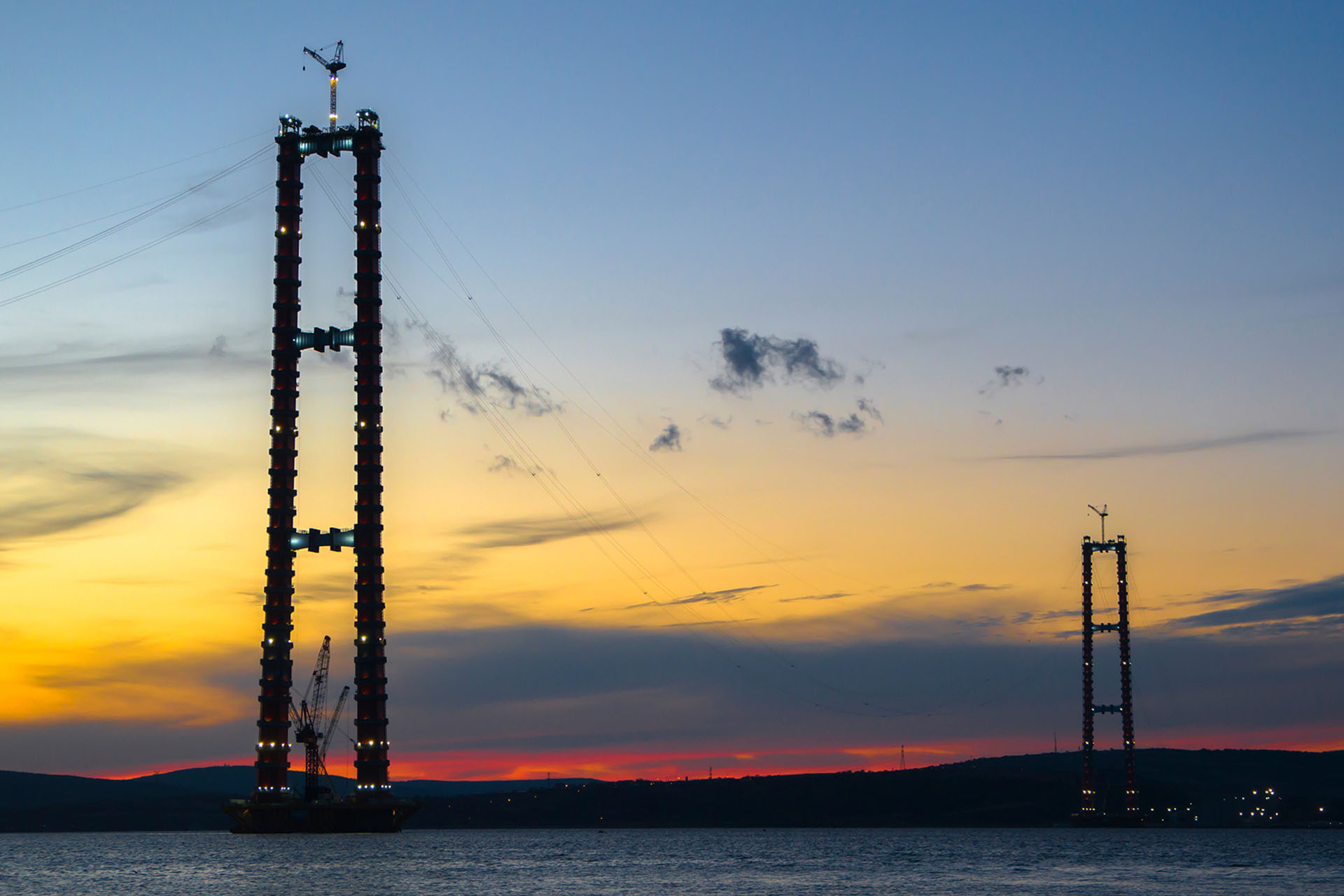
On spectacular construction sites, it's the structures that take the spotlight. But building bridges, tunnels or skyscrapers in the first place often demands equally extraordinary crane concepts. From the Sagrada Família in Barcelona to the Fehmarnbelt Tunnel in Denmark, Liebherr supports demanding tower crane deployments worldwide. Max Widder, Head of Project Planning at Tower Crane Solutions, gives insight into the challenges behind some of the most complex crane projects in the world.
10.09.2026
Press releases
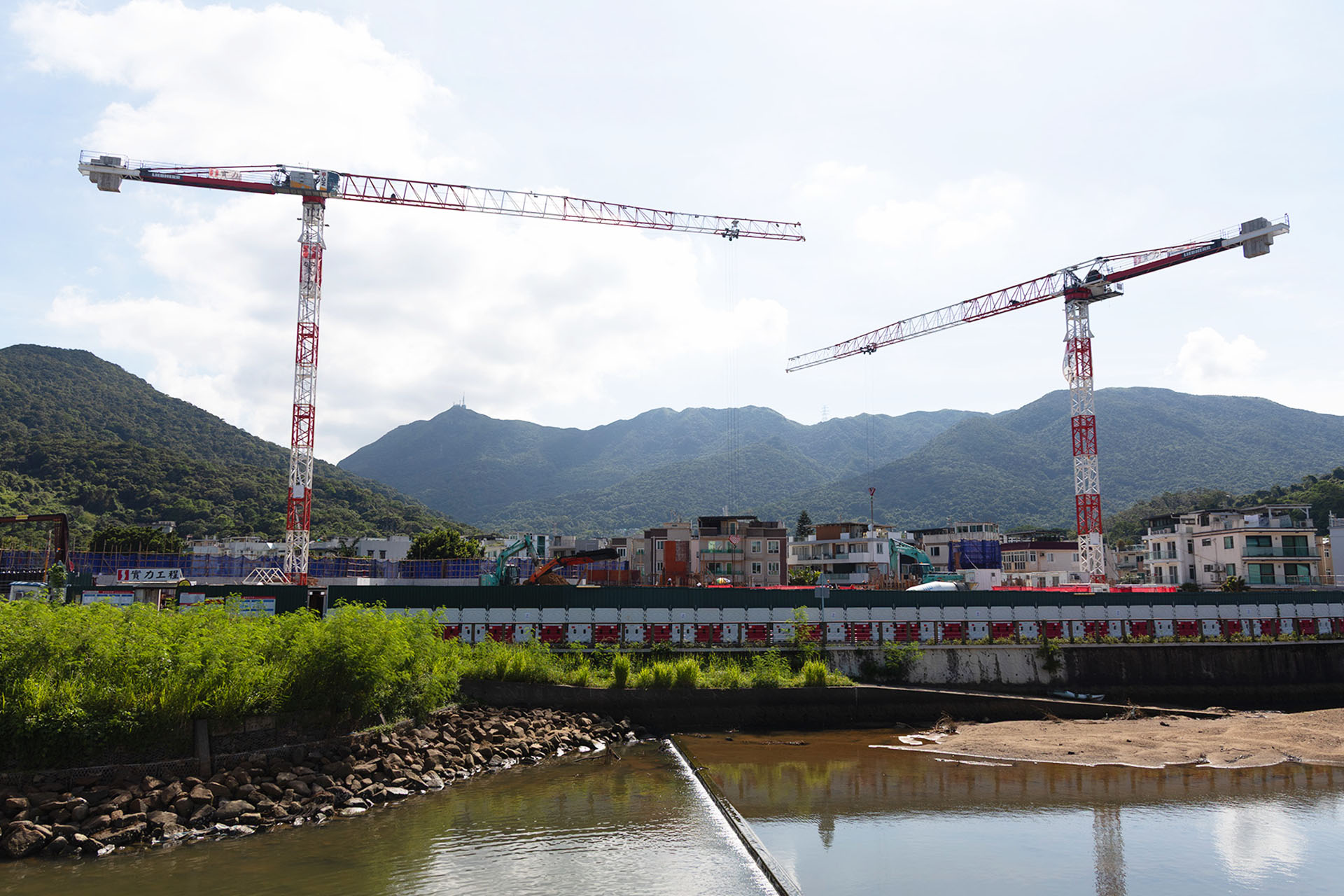
Considerate and flexible: two Liebherr NC-B cranes at work in Sai Kung
A new residential development is under construction in Ho Chung, Sai Kung. Foundation and excavation and lateral support works have been underway since December 2024 and are expected to continue until end of 2026. Two Liebherr NC-B 12-70 tower cranes are handling material logistics on the confined site.