
News | 26.02.2014
From 26 February onwards, Liebherr domestic appliances will offer customers and trade partners two new communication platforms: the domestic appliances blog and a Facebook page.
The blog will keep readers regularly informed of the latest news and advice on food storage, healthy eating and Liebherr refrigeration and freezing products.
The Facebook page will tell users about new items on the blog. Using the integrated service channel, customers looking for advice can contact the experts at the Liebherr info centre for answers to questions and for advice on refrigeration and freezing. The page will also include fun, interactive features.
Liebherr domestic appliances has already been on YouTube and Twitter for two years. While Twitter users receive news and information on new products and blog entries, informative films on YouTube demonstrate innovations in refrigeration and freezing.
Cela pourrait également vous intéresser

06.10.2026
Press releases
A step up: Schweri opts for new Liebherr LTM 1300-6.4 mobile crane
Schweri Autokranbetriebe GmbH & Co. KG is putting an LTM 1300-6.4 into service. With this 300-tonne crane, the company is increasing the lifting capacity of its fleet and responds to increasing demands in wind power, industrial and precast concrete installation projects.
02.10.2026
Listicles
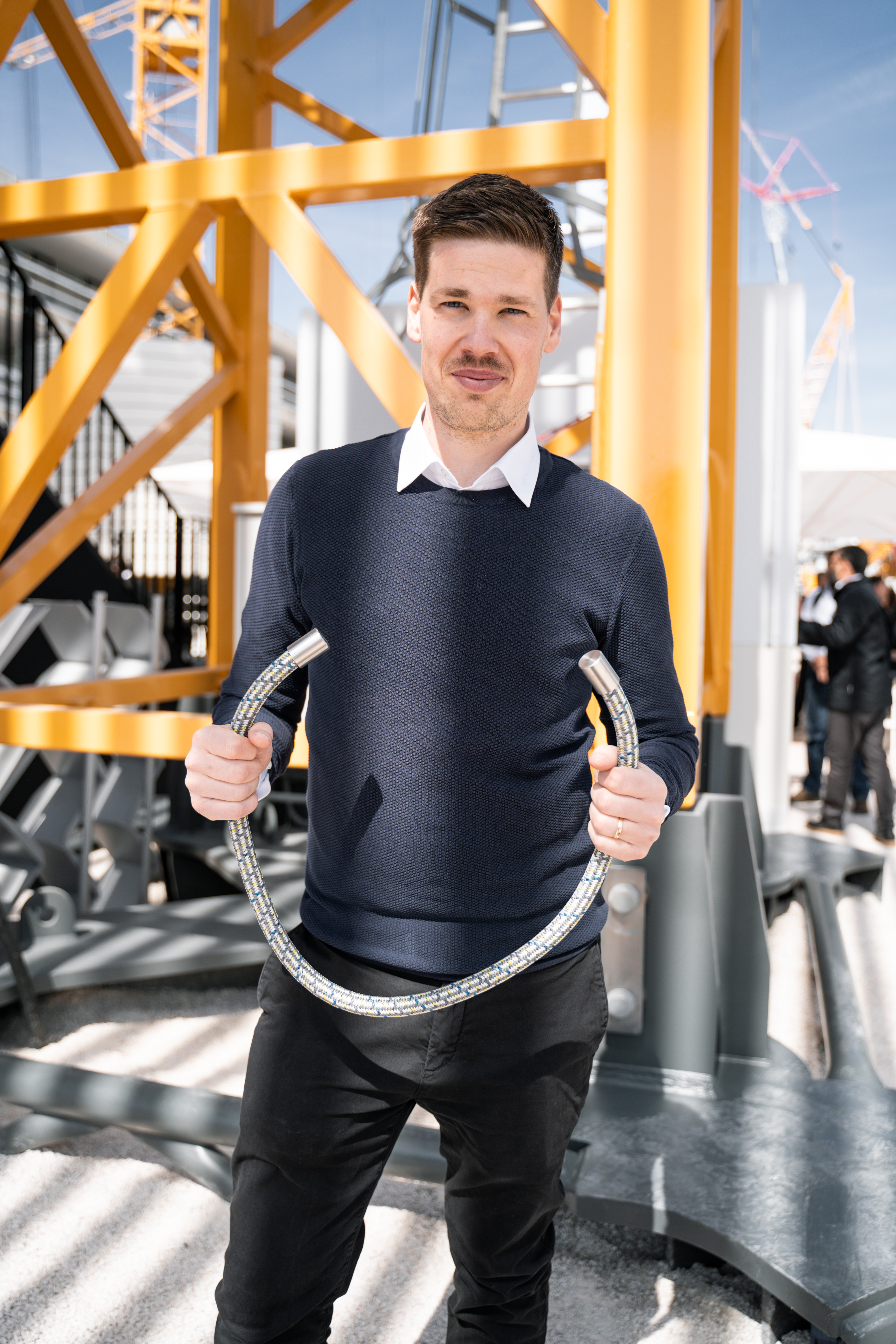
More experience, more confidence: six questions on the new period of use for Liebherr fibre ropes
Liebherr is increasing the period of use of its fibre ropes to up to 12 years in temperate climates and up to 8 years in hot climates, while the overall service life is rising from 14 to 16 years. But what's behind this decision, and why do all ropes already in the field benefit too? Six questions for Jochen Huber, Product Manager Fibre Technology at Liebherr, on the tests, the impact for customers on site, and the wider strategy behind Fibre technology.
02.10.2026
Communiqués de presse
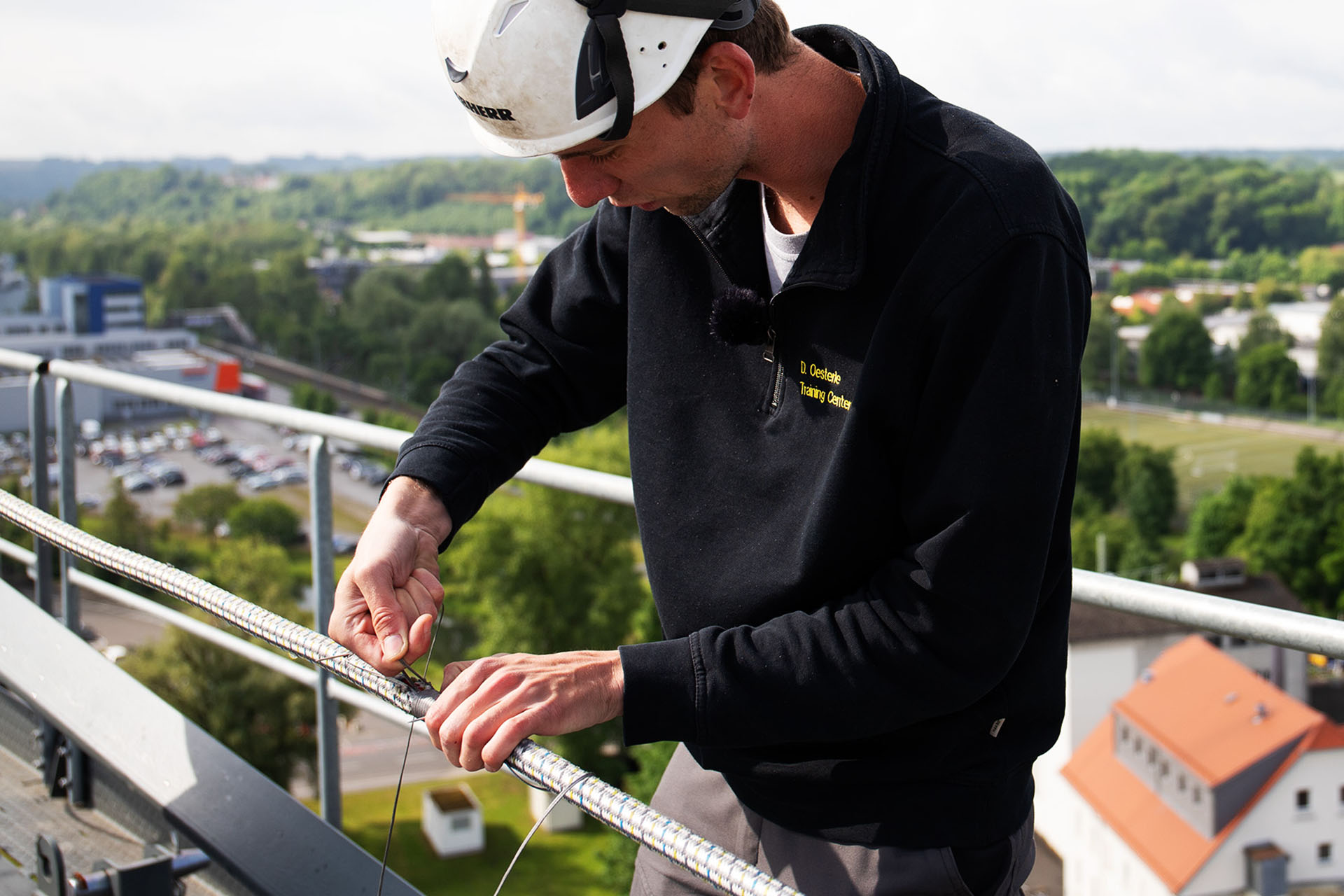
Liebherr augmente la durée de vie totale de ses câbles en fibres de 14 à 16 ans, leur durée d’utilisation effective peut atteindre 12 ans. Ces conclusions s’appuient sur des essais de vieillissement menés sur plusieurs années sur des bancs d’essai et sur des analyses de câbles utilisés sur le terrain. Cette règle s’applique automatiquement à tous les câbles, qu’ils soient neufs ou déjà en service.