

Liebherr-Werk Biberach GmbH
Memminger Straße 120
88400 Biberach an der Riß
Germany
Press releases | 16/07/2026
In the canton of Bern, Walo Bertschinger AG is rebuilding two bridges on the N16 national road between Tavannes and Biel on behalf of the Federal Roads Office (ASTRA). The construction site is situated in a narrow valley with a motorway, railway line and river running alongside it; furthermore, two existing bridges are immediately adjacent to the site. Since July 2024, a total of seven Liebherr cranes have been supporting the construction work; the project is due to be completed by December 2026.
The N16 national road, also known as the Transjurane, connects the canton of Jura with the Swiss Mittelland, passing through the Bernese Jura. As part of its ongoing infrastructure preservation efforts, the Federal Roads Office (FEDRO) has commissioned Walo Bertschinger AG to replace one bridge and construct a new one between Tavannes and Biel. The location in the valley allows only a limited number of lorry deliveries per day, meaning that every lift must be planned precisely. Since July 2024, seven Liebherr cranes have been handling the logistics of materials and components on the construction site under these conditions.
For the first bridge, D19, a 270 EC-B 12, a 90 EC-B 6 and a 65 K self-erecting crane were in use between 2024 and 2025. An L1-32 was also deployed for the D333 span in 2024. During the construction of the second D19A bridge, a 270 EC-B 12 and a 90 EC-B 6 will once again be deployed from 2025 to 2026, supplemented by a 81 K self-erecting crane.
As the bridges are being constructed using in-situ concrete, the cranes play a central role in material and component logistics. The focus is on the precise installation of the steel girders for the falsework and the timber formwork systems, the positioning of the reinforcing bars, and the hoisting of auxiliary and assembly structures. A particular challenge was the erection of the falsework – the temporary steel structure that supports the bridge section whilst the concrete is being poured. Spanning 22 metres, this falsework had to be erected without any additional support in the centre.
The construction site is directly adjacent to the operational railway line and the N16 motorway. In the track area, the operating methods and reach of the cranes had to be adapted to the operational and safety requirements of SBB Rail, including the use of a telescopic crane on the track. Parts of the work are taking place under strict safety protocols, including night-time and weekend closures. This is complemented by exposed concrete work using bespoke formwork, as well as small and large-scale drilling operations both within and outside the track and carriageway areas.
“On a construction site bordered by a railway line and a motorway, every movement counts. With the Liebherr tower cranes, we can position the structural elements precisely and safely even under these cramped conditions and keep to our construction schedule as planned,” says Antonio D’Onofrio, Project Manager, ppa. at Ingenieurbau West, Walo Bertschinger AG.
22/09/2026
Listicles
Five questions that show why planning a tower crane deployment is more complex than you might think
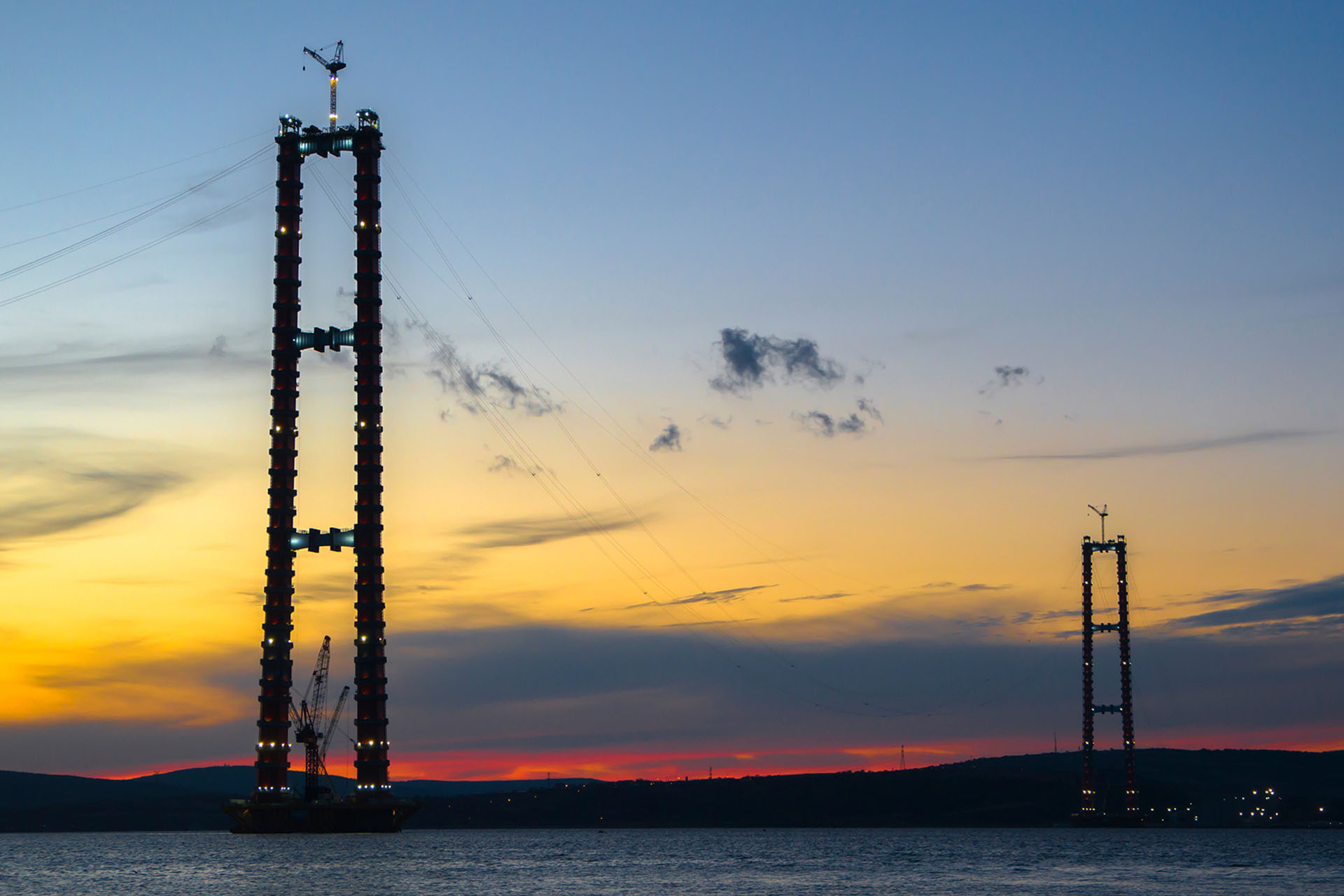
On spectacular construction sites, it's the structures that take the spotlight. But building bridges, tunnels or skyscrapers in the first place often demands equally extraordinary crane concepts. From the Sagrada Família in Barcelona to the Fehmarnbelt Tunnel in Denmark, Liebherr supports demanding tower crane deployments worldwide. Max Widder, Head of Project Planning at Tower Crane Solutions, gives insight into the challenges behind some of the most complex crane projects in the world.
10/09/2026
Press releases
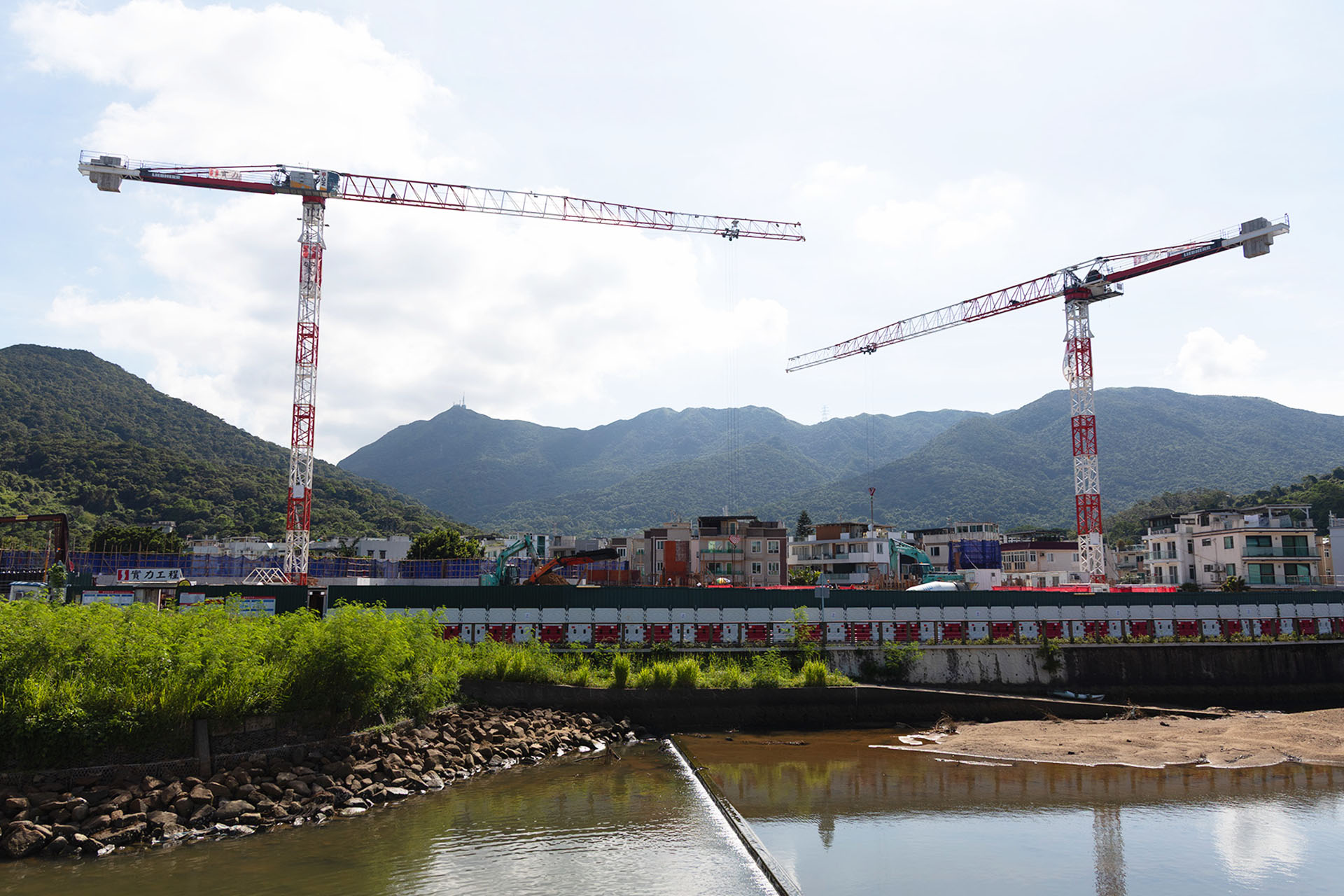
Considerate and flexible: two Liebherr NC-B cranes at work in Sai Kung
A new residential development is under construction in Ho Chung, Sai Kung. Foundation and excavation and lateral support works have been underway since December 2024 and are expected to continue until end of 2026. Two Liebherr NC-B 12-70 tower cranes are handling material logistics on the confined site.
03/09/2026
Press releases
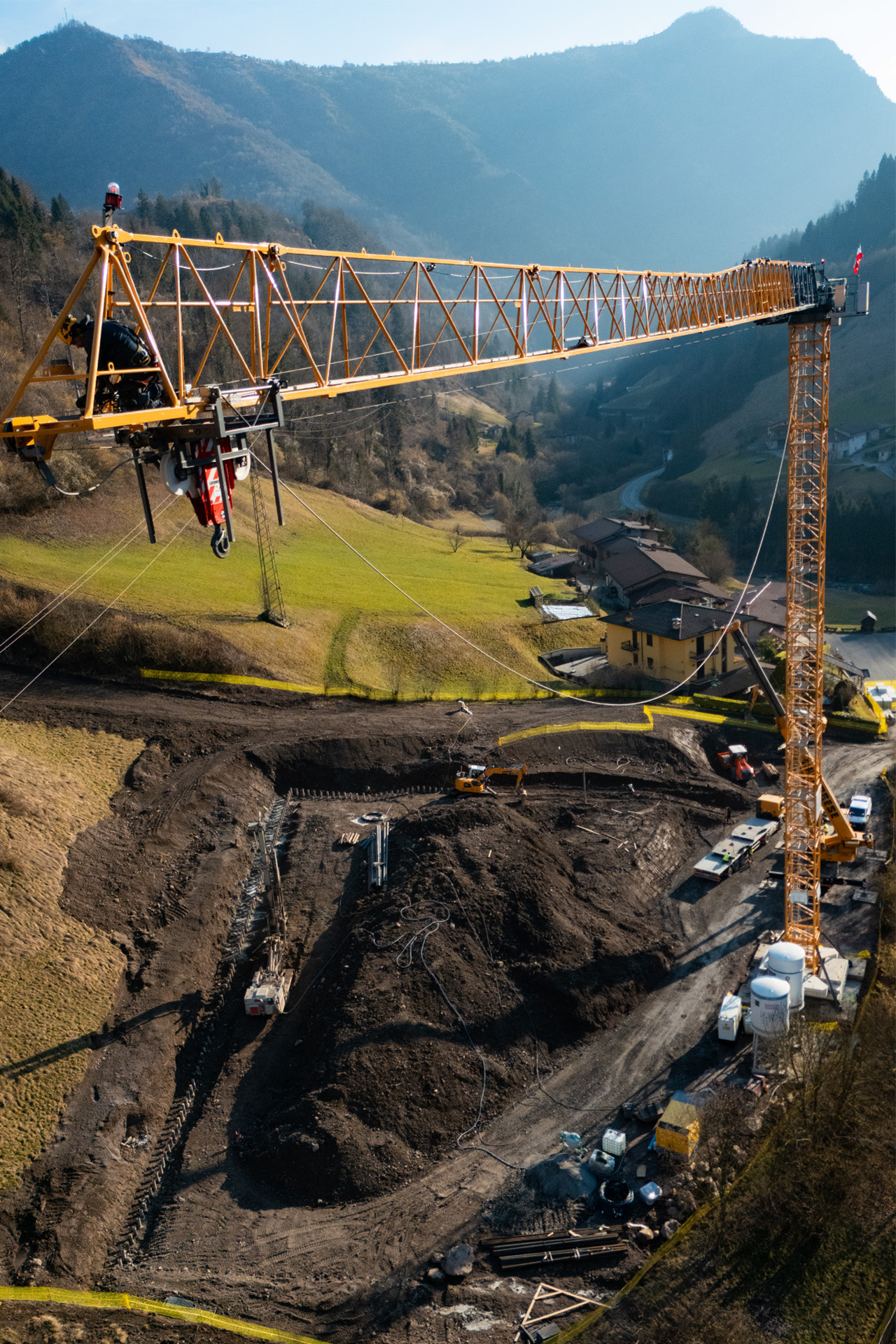
Water for a whole valley: Liebherr Fibre crane at work high in Val Trompia
In Bovegno, Italy, work is progressing on a new drinking water treatment plant designed to supply thousands of residents and businesses across the Val Trompia region. Handling the major lifting tasks on site is a Liebherr 240 EC-B Fibre tower crane, its fourth deployment and the first of its kind to arrive in the country.