

Liebherr-Werk Biberach GmbH
Memminger Straße 120
88400 Biberach an der Riß
Germany
Press releases | 2026/02/12
With the appointment of KranTehnik EU as a new partner for eight Balkan countries (Slovenia, Croatia, Bosnia & Herzegovina, Serbia, Montenegro, Albania, Kosovo and North Macedonia), Liebherr Tower Cranes is taking a decisive step towards modernising the regional crane market. The partnership combines Liebherr’s proven crane technology with strong local expertise, service capability and training, aiming to make modern tower cranes the new standard on construction sites across Croatia and the wider Balkan region.
Liebherr Tower Cranes has entered a new strategic partnership with KranTehnik EU, a Croatian crane specialist with a clear ambition: to significantly reduce the average age of the regions tower crane fleet and support contractors in the transition towards modern, reliable crane technology. Over the next five years, the partners aim to lower the current average fleet age from 25-30 years to approximately 15-18 years, a milestone that would represent a fundamental shift for the Balkan construction industry.
KranTehnik EU sees fleet renewal as more than a question of replacing old equipment. “We see our role as helping contractors understand and trust modern crane technology. We want the Balkan market to see modern cranes not as a risk, but as a reliable, fully supported solution that makes their work easier and their sites more efficient.”, says Mr. Zanko from KranTehnik EU. In a market where many contractors remain cautious about complexity, downtime and local support, the partnership with Liebherr is designed to provide reassurance through proven technology, accessible training and dependable service structures.
By combining Liebherr’s robust, user-friendly crane solutions with local technical expertise and fast response times, KranTehnik EU aims to demonstrate that modern cranes are not a risk, but a reliable tool that simplifies site operations and improves overall efficiency. The long-term goal is clear: to establish modern tower cranes as the norm rather than the exception across the Croatian and Balkan construction markets.
The Croatian construction sector is currently driven primarily by residential building and public infrastructure projects, many of which are supported by EU funding programmes. Activity is concentrated in Zagreb and its metropolitan area, followed by the Adriatic coast, particularly Split, Rijeka and Istria, while infrastructure projects are distributed nationwide.
The market is pragmatic and cost-sensitive, with contractors prioritising reliability, ease of execution and proven solutions over highly specialised equipment. Mr. Zanko adds: “Over the coming years we expect some growth in renovation and reconstruction projects, especially those linked to energy efficiency and modernisation, alongside continued residential development in urban areas.”
Tower crane usage in the Balkan region is dominated by top-slewing cranes, particularly hammerhead and flat-top models, which form the backbone of larger residential and infrastructure projects. In parallel, self-erecting cranes are widely used by small and medium-sized contractors due to their transportability and fast installation. “This mix in crane requirements makes Liebherr the perfect partner for us, as the partnership can offer us cranes in all sizes and variations, perfect for an array of various construction projects” says Mr. Zanko.
Crane selection is typically driven by economic and logistical factors rather than maximum performance. Price, ease of transport and erection, jib length flexibility and sufficient lifting capacity are the key decision criteria. Given short preparation times, frequent crane relocations and limited site logistics, cranes that can be transported easily, erected quickly and adapted to different project conditions are especially valued. Making the EC-B series and the K-series especially interesting for the Balkan market.
In an environment where regulations for tower crane operation are aligned with EU principles, experience and trusted routines play a major role in crane selection. Against this backdrop, service quality has become a decisive differentiator. Contractors increasingly expect their crane partner to act as a technical advisor throughout the crane’s lifecycle, not just as a supplier.
Fast spare parts availability, short response times and the presence of local service technicians are critical for maintaining uptime and protecting tight construction schedules. Operator training is also gaining importance. While crane operators adapt quickly to modern systems and appreciate improvements in ergonomics and assistance functions, contractors primarily seek confidence that support and expertise are readily available when needed.
The collaboration between Liebherr and KranTehnik EU brings together complementary strengths: advanced crane technology, a broad and versatile product portfolio, and strong local market knowledge combined with service and training capabilities. Sustainability aspects such as energy efficiency and reduced noise emissions are gradually gaining acceptance as part of this modernisation process, supported by reliable technology and professional after-sales support.
Together, Liebherr and KranTehnik EU are laying the foundations for a more professional, reliable and future-oriented crane market in the Balkan area. The partnership is designed not only to renew fleets, but to raise standards, strengthen safety awareness and support the long-term development of the construction industry across the region.
2026/10/02
Press releases
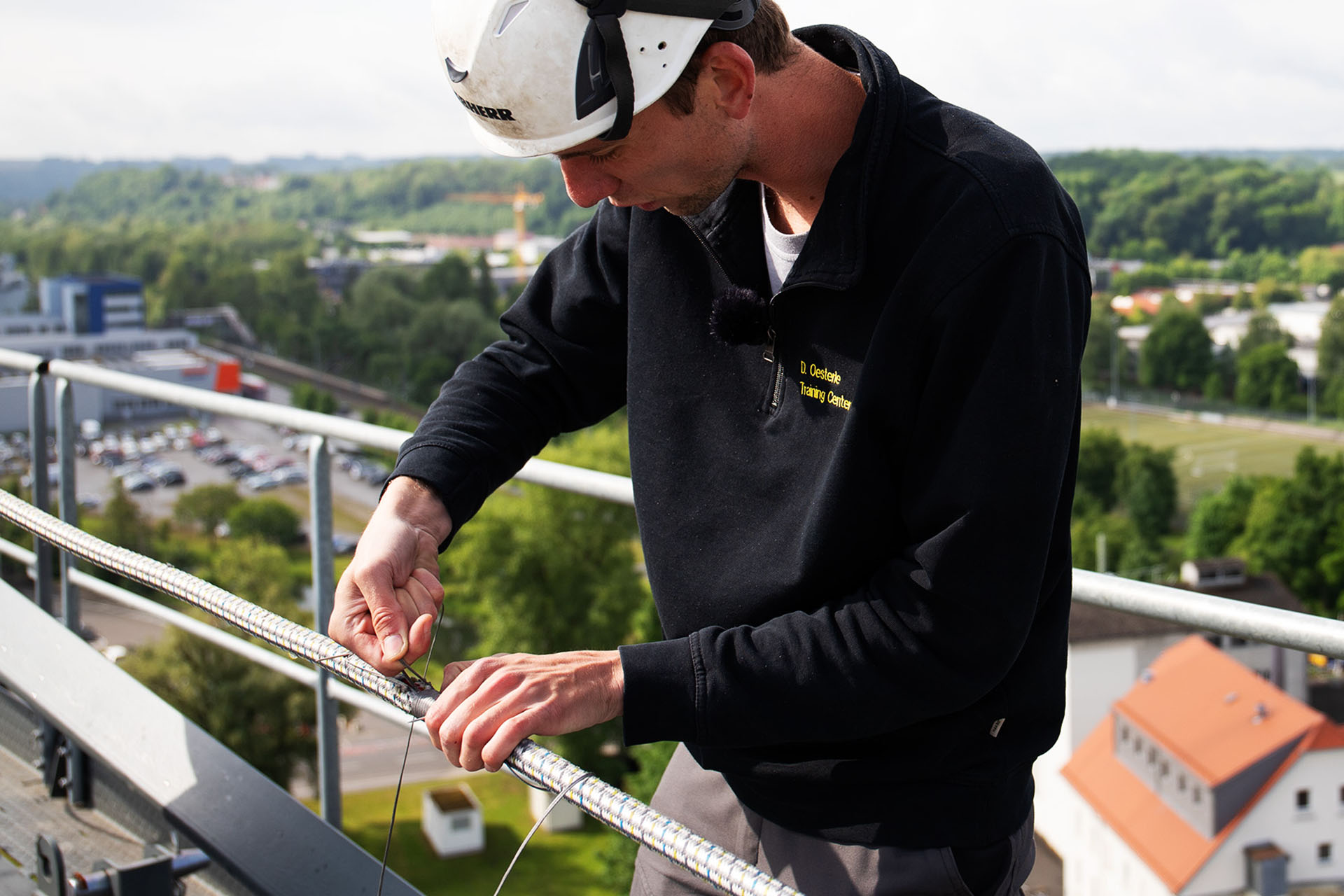
Liebherr is increasing the overall service life of its Fibre ropes from 14 to 16 years, with the decisive period of use rising to up to 12 years. This is based on multi-year ageing trials on test rigs and analyses of ropes already in field. The new ruling applies automatically to all new ropes and those already in the field. This step forms part of Liebherr's ongoing path towards establishing Fibre technology as the new standard in the tower crane market.
2026/09/22
Listicles
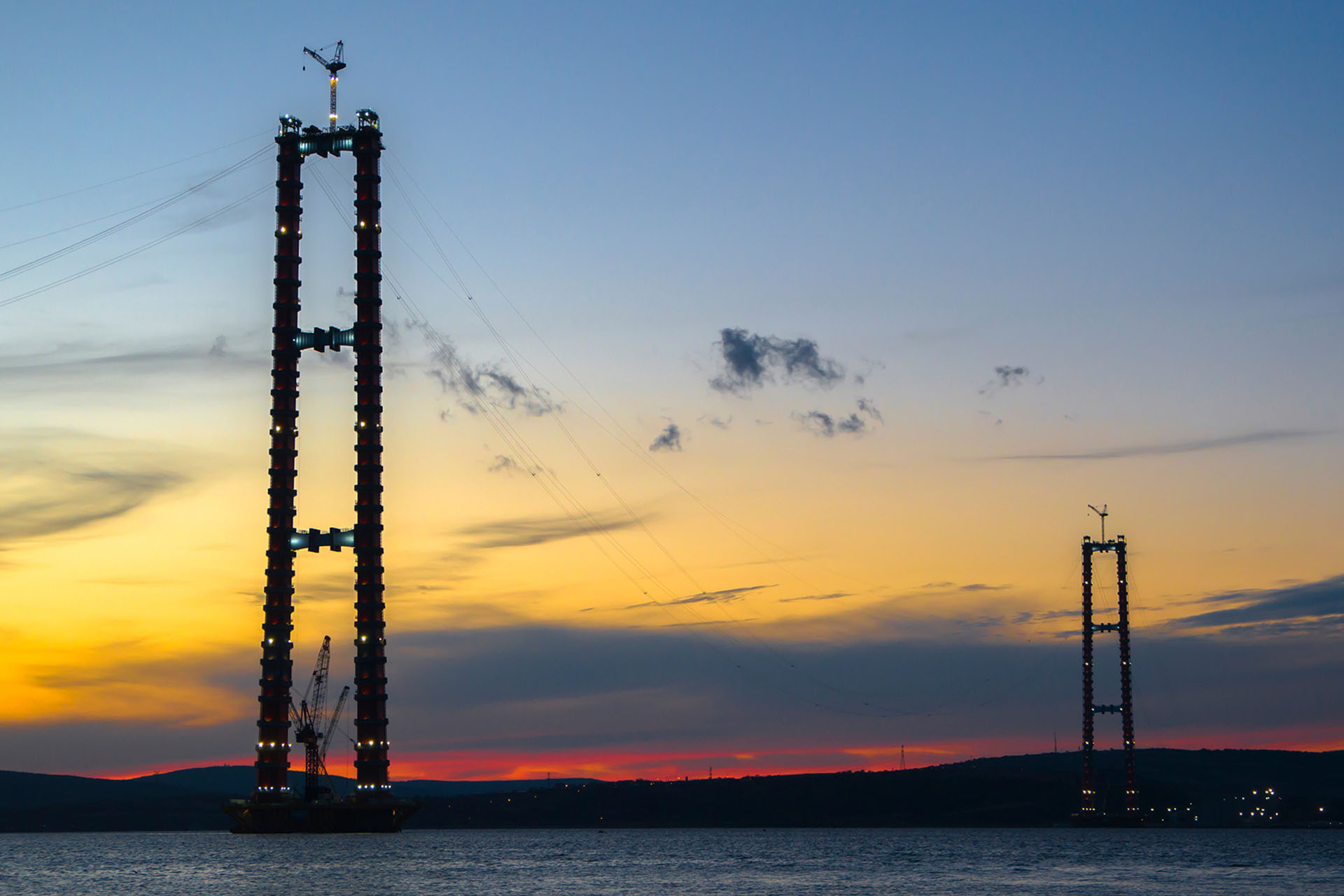
Five questions that show why planning a tower crane deployment is more complex than you might think
On spectacular construction sites, it's the structures that take the spotlight. But building bridges, tunnels or skyscrapers in the first place often demands equally extraordinary crane concepts. From the Sagrada Família in Barcelona to the Fehmarnbelt Tunnel in Denmark, Liebherr supports demanding tower crane deployments worldwide. Max Widder, Head of Project Planning at Tower Crane Solutions, gives insight into the challenges behind some of the most complex crane projects in the world.
2026/09/10
Press releases
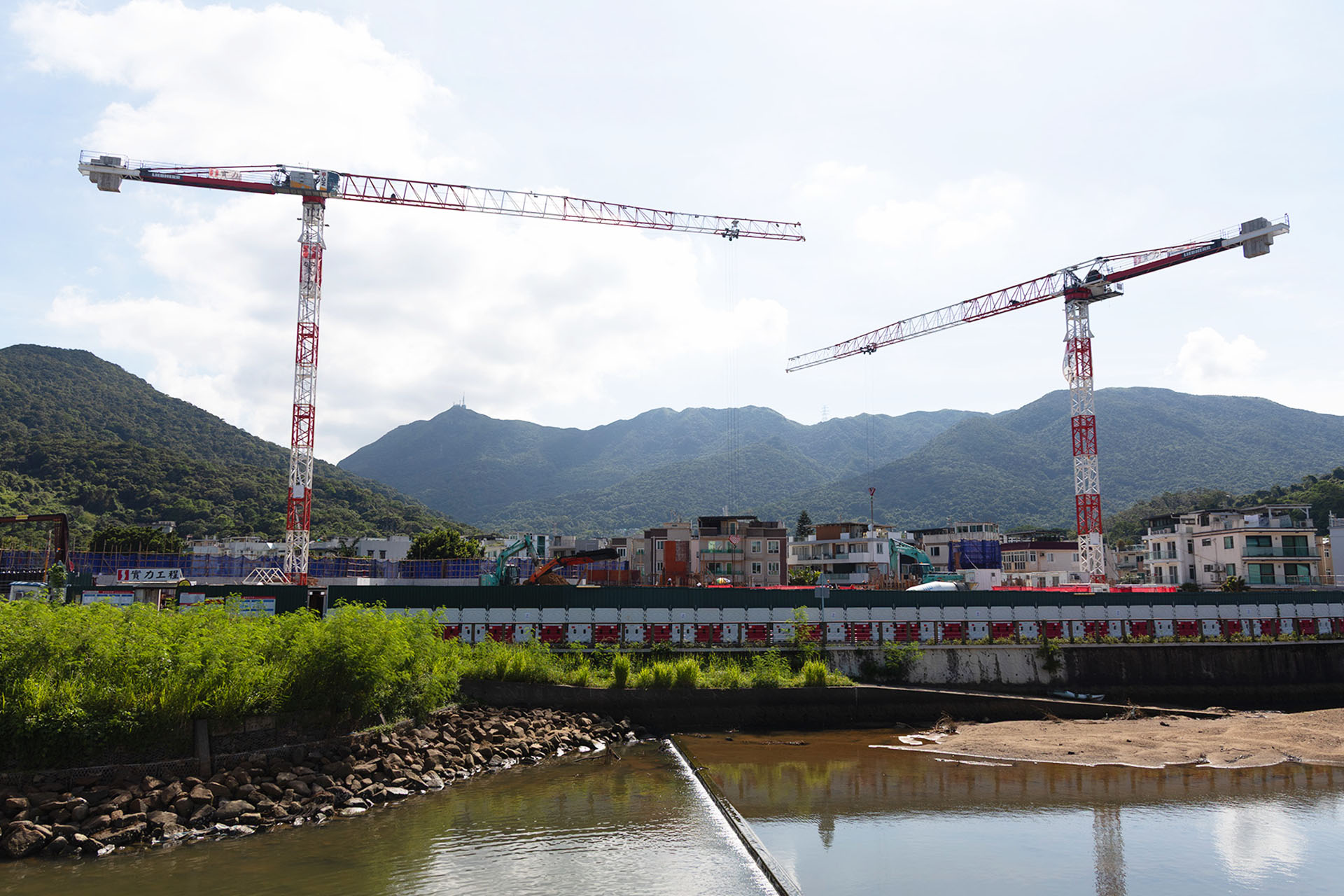
Considerate and flexible: two Liebherr NC-B cranes at work in Sai Kung
A new residential development is under construction in Ho Chung, Sai Kung. Foundation and excavation and lateral support works have been underway since December 2024 and are expected to continue until end of 2026. Two Liebherr NC-B 12-70 tower cranes are handling material logistics on the confined site.